The ibogaine legal status in Canada 2026 remains a significant barrier for Canadians seeking this powerful therapeutic compound. Unlike some jurisdictions that have begun recognizing ibogaine's potential, Canada maintains strict Schedule I classification, making it illegal to manufacture, distribute, possess, or use ibogaine for any purpose. However, the landscape of consciousness-based therapeutics in Canada is shifting, and understanding your legal options is essential before pursuing treatment.
The Current Legal Framework: Ibogaine Legal Status Canada 2026
In Canada, ibogaine falls under the Controlled Drugs and Substances Act (CDSA) as a Schedule I substance. This classification places it in the same category as heroin and LSD, meaning there is currently no legal route to obtain or use ibogaine within Canadian borders, regardless of medical indication or therapeutic intent.
The key legal points:
- Criminal penalties: Possession of ibogaine can result in prosecution, potential jail time, and a criminal record
- Zero medical exemptions: Unlike psilocybin (which has received limited Special Access Programme approvals), ibogaine has no pathway for compassionate access
- Cross-border implications: Importing ibogaine into Canada is equally illegal, even if legally obtained elsewhere
- Clinical research limitations: Very few Canadian institutions have the regulatory approval to conduct ibogaine research
This means that Canadians interested in ibogaine treatment for conditions like addiction recovery, treatment-resistant depression, or other therapeutic applications must look beyond their borders. This reality has created a growing medical tourism industry, with Canadian patients traveling to jurisdictions where ibogaine is legal or decriminalized.
Why Ibogaine Remains Restricted in Canada
The prohibition on ibogaine reflects Canada's historical approach to novel psychoactive compounds. However, the rationale doesn't account for the growing body of scientific evidence supporting ibogaine's therapeutic applications, particularly in addiction treatment and neurological conditions.
Canadian regulators have maintained conservative policies despite:
- Peer-reviewed research demonstrating ibogaine's efficacy in opioid addiction recovery
- International clinical experience from legal treatment centers in countries like Mexico, Costa Rica, and Ecuador
- Neuroimaging studies showing ibogaine's unique neuroplasticity effects
- Growing acceptance in progressive healthcare jurisdictions worldwide
The disconnect between the scientific evidence and Canada's legal status creates a frustrating situation for patients who might benefit from this treatment.
Medical Considerations: Ibogaine Treatment Clinic Options
For Canadian patients, understanding the differences between various treatment modalities becomes crucial. While ibogaine remains inaccessible in Canada, several alternatives exist—some legal, others requiring travel.
Ibogaine vs. Ketamine: A Comparison
The "ibogaine vs ketamine" debate is increasingly relevant for Canadian patients, as ketamine therapy has gained legal pathways for clinical use in Canada, while ibogaine remains prohibited.
Ketamine Therapy in Canada:
- Legal for administration by licensed clinicians
- FDA-approved (U.S.) for treatment-resistant depression
- Rapidly acting (effects within hours)
- Requires ongoing sessions for maintenance
- Increasing number of clinics across major Canadian cities
- Ibogaine cost considerations are irrelevant since ibogaine is inaccessible
Ibogaine (International Access):
- Single-dose protocol (one intensive treatment)
- Long-lasting neuroplasticity changes
- Deeper psychological processing capability
- Requires travel to legal jurisdictions
- Lower total cost despite travel expenses
- More intensive integration process
The key difference: ketamine offers quick relief but requires repeated administration, while ibogaine's approach aims for profound, lasting neurobiological change through a single intensive experience. Neither is inherently "better"—the optimal choice depends on individual needs, contraindications, and treatment goals.
Ibogaine Cost and Canadian Medical Travel
For Canadian patients serious about pursuing ibogaine treatment, cost is a legitimate consideration. Comprehensive ibogaine treatment at international clinics typically ranges from $3,500 to $7,500 USD, plus travel and accommodation expenses.
Cost breakdown for a typical Canadian patient:
- Flight to Mexico or Central America: $400-$800
- Accommodation (5-7 nights): $500-$1,500
- Medical screening and consultations: $500-$1,000
- Ibogaine treatment and integration services: $3,500-$7,500
- Total estimated cost: $5,000-$10,000 CAD
When compared to long-term alternatives:
- 12-month ketamine therapy program: $10,000-$25,000
- Residential addiction treatment (90 days): $15,000-$40,000
- Long-term psychiatric medication management: $5,000-$15,000 annually
From a cost-benefit perspective, a single ibogaine treatment journey represents a reasonable investment, particularly when accounting for the potential for lasting recovery.
Ibogaine and Parkinson's Disease: Emerging Research
One compelling area of ibogaine research gaining international attention is its potential application in ibogaine Parkinson's disease treatment. While research in this area is still limited and primarily preclinical, preliminary findings suggest that ibogaine's neuroplasticity-enhancing properties may offer novel therapeutic approaches for neurodegenerative conditions.
Current research directions:
- Dopamine regeneration: Ibogaine may stimulate neuroplastic changes in dopamine-producing neurons
- Neuroprotection: The compound exhibits anti-inflammatory and neuroprotective properties in cellular models
- Motor symptom amelioration: Preliminary case reports suggest potential improvements in movement symptoms
- Combination therapy: Researchers are exploring ibogaine as an adjunct to conventional Parkinson's medications
For Canadian patients with Parkinson's disease interested in experimental approaches, understanding ibogaine's potential—and the legal barriers to accessing it—is important for informed decision-making. This research may eventually influence Canada's regulatory stance, but meaningful policy change is likely years away.
How Ibogaine Works: The Neurobiological Foundation
Understanding how ibogaine works provides insight into why this compound attracts serious therapeutic interest despite regulatory restrictions.
Ibogaine operates through multiple neurobiological mechanisms:
Primary Mechanisms
Neuroplasticity activation: Ibogaine stimulates GDNF (glial cell line-derived neurotrophic factor) production, a protein crucial for neuronal survival and growth. This effect may persist for weeks or months after a single dose, fundamentally rewiring neural circuits associated with addiction and trauma.
Multi-receptor engagement: Unlike single-target pharmaceuticals, ibogaine interacts with numerous neurotransmitter systems simultaneously, including serotonin, dopamine, and opioid receptors. This polypharmacology creates comprehensive neurochemical rebalancing.
Dream state induction: The unique visionary experience ibogaine produces isn't simply a side effect—it appears integral to the therapeutic mechanism, facilitating psychological processing and memory reconsolidation.
Integration with MindScape's Approach
At MindScape Retreat, we understand that pharmacological intervention represents only one dimension of effective treatment. Our physician-supervised ibogaine protocols integrate neuroscience with psychology, creating comprehensive healing experiences.
Learn more about the complete therapeutic model in our detailed guide on how ibogaine works and the neuroplasticity mechanisms underlying recovery.
Ibogaine Treatment Seattle vs. International Clinics
Many Americans interested in ibogaine treatment seattle discover that while Washington State has progressive drug policies, ibogaine remains federally illegal. This means that even Seattle-based patients often travel to international clinics for treatment—the same journey available to Canadian patients.
Practical considerations:
- International clinics offer more intensive integration and aftercare
- Travel distance is often minimal (Mexico is closer to Seattle than Montreal)
- Integrated retreat environments provide optimal psychological support
- Physician-supervised protocols ensure medical safety
Canadian patients face a similar calculation, with the added factor that they're already accustomed to medical tourism for specialized treatments.
What About Special Access Programs in Canada?
Canada's Special Access Programme (SAP) has granted compassionate access to certain controlled substances in exceptional cases. However, ibogaine has not yet received meaningful SAP consideration, likely due to:
- Absence of Canadian research establishing Canadian-specific safety/efficacy data
- Regulatory agencies' conservative stance on novel psychoactive compounds
- Lack of pharmaceutical company backing (no profit incentive to pursue approval)
- Limited high-profile advocacy within Canadian medical institutions
This situation may change as international research accumulates and patient advocacy increases, but there's no immediate indication of policy shift.
Making an Informed Decision
If you're a Canadian considering ibogaine treatment, here's a practical framework:
- Consult a healthcare provider about your condition and treatment goals
- Research legitimate, physician-supervised clinics in legal jurisdictions
- Verify medical screening protocols to ensure you're a suitable candidate
- Understand the legal risks of traveling for ibogaine (travel itself is not illegal; returning with ibogaine would be)
- Plan for integration support before, during, and after treatment
- Consider alternative approaches if ibogaine access is not feasible for your situation
The Future of Ibogaine's Legal Status in Canada
Predicting regulatory change is speculative, but several factors may influence Canada's stance:
- Increased research funding from international sources and private institutions
- Decriminalization movements gaining momentum in Canadian policy circles
- Patient advocacy groups building political pressure
- Integration with mental health crisis response as ibogaine's efficacy becomes undeniable
- Jurisdictional learning as other countries demonstrate successful integration models
The ibogaine legal status in Canada 2026 reflects the present moment, but the trajectory is toward greater recognition of its therapeutic potential. Change will likely come gradually, through policy evolution rather than sudden regulatory shifts.
Frequently Asked Questions About Ibogaine Legal Status in Canada
Q: Is it illegal to travel to Mexico for ibogaine treatment?
A: Travel for medical treatment is not illegal. However, attempting to bring ibogaine back into Canada would violate the CDSA. Canadian patients must undergo treatment abroad and return without the substance.
Q: Can I get ibogaine through a Canadian doctor?
A: Currently, no. No Canadian physician can legally prescribe or administer ibogaine. If you're interested in ibogaine-assisted therapy, international travel is necessary.
Q: Is ketamine therapy the legal alternative in Canada?
A: Ketamine-assisted therapy is increasingly available in Canada and is legal when administered by licensed clinicians. However, it operates through different mechanisms than ibogaine, and the treatment protocols differ significantly.
Q: What about psilocybin therapy in Canada?
A: Psilocybin has received limited Special Access Programme approvals and is the subject of ongoing clinical trials. However, it remains a Schedule III controlled substance and is not widely available outside research settings.
Q: How does ibogaine cost compare to other addiction treatments?
A: Ibogaine cost for a comprehensive international retreat typically ranges from $5,000-$10,000 CAD all-inclusive. This is competitive with or less expensive than residential addiction treatment programs or long-term pharmaceutical management, when accounting for potential lasting results.
Q: Is ibogaine treatment safe?
A: At physician-supervised ibogaine treatment clinics, comprehensive medical screening and monitoring protocols minimize risks. However, ibogaine is contraindicated for certain cardiac conditions and medication combinations, making proper medical evaluation essential.
Q: What support should I expect post-treatment?
A: Legitimate clinics provide integration services—psychological support, lifestyle guidance, and community connection—to maximize long-term benefits. Learn about comprehensive therapeutic approaches at ibogaine treatment clinic resources.
Q: When might ibogaine become legal in Canada?
A: There's no official timeline. Regulatory change depends on research advancement, policy advocacy, and political will. International jurisdictions' experiences will likely inform future Canadian policy.
Q: Can I participate in ibogaine research in Canada?
A: Very few Canadian institutions conduct ibogaine research due to regulatory constraints. Options are limited, and researchers would need to work within strict regulatory frameworks. Interested individuals should contact major research institutions directly.
Conclusion: Navigating Canada's Ibogaine Restriction
The ibogaine legal status in Canada 2026 remains restrictive, but this doesn't negate the profound therapeutic potential this compound offers for addiction recovery, trauma healing, and neurological conditions. Canadian patients seeking this treatment have viable options through international medical tourism, where they can access physician-supervised, comprehensive therapeutic protocols.
At MindScape Retreat, we work with Canadian patients daily, providing safe, evidence-based ibogaine treatment in a legal, supportive environment. Our ibogaine retreat Mexico programs integrate the neurobiological mechanisms of how ibogaine works with comprehensive psychological support, creating conditions for lasting transformation.
Understanding your legal constraints, evaluating treatment options like the ibogaine vs ketamine comparison, and working with experienced clinicians are essential steps in making an informed decision about your healing journey. While Canada's regulatory landscape remains challenging, your path to recovery is not blocked—it simply requires crossing borders to access internationally recognized therapeutic protocols.
The future may bring policy changes that make ibogaine more accessible to Canadian patients, but today, informed medical travel represents the most viable pathway to this transformative treatment.
Begin Your Journey
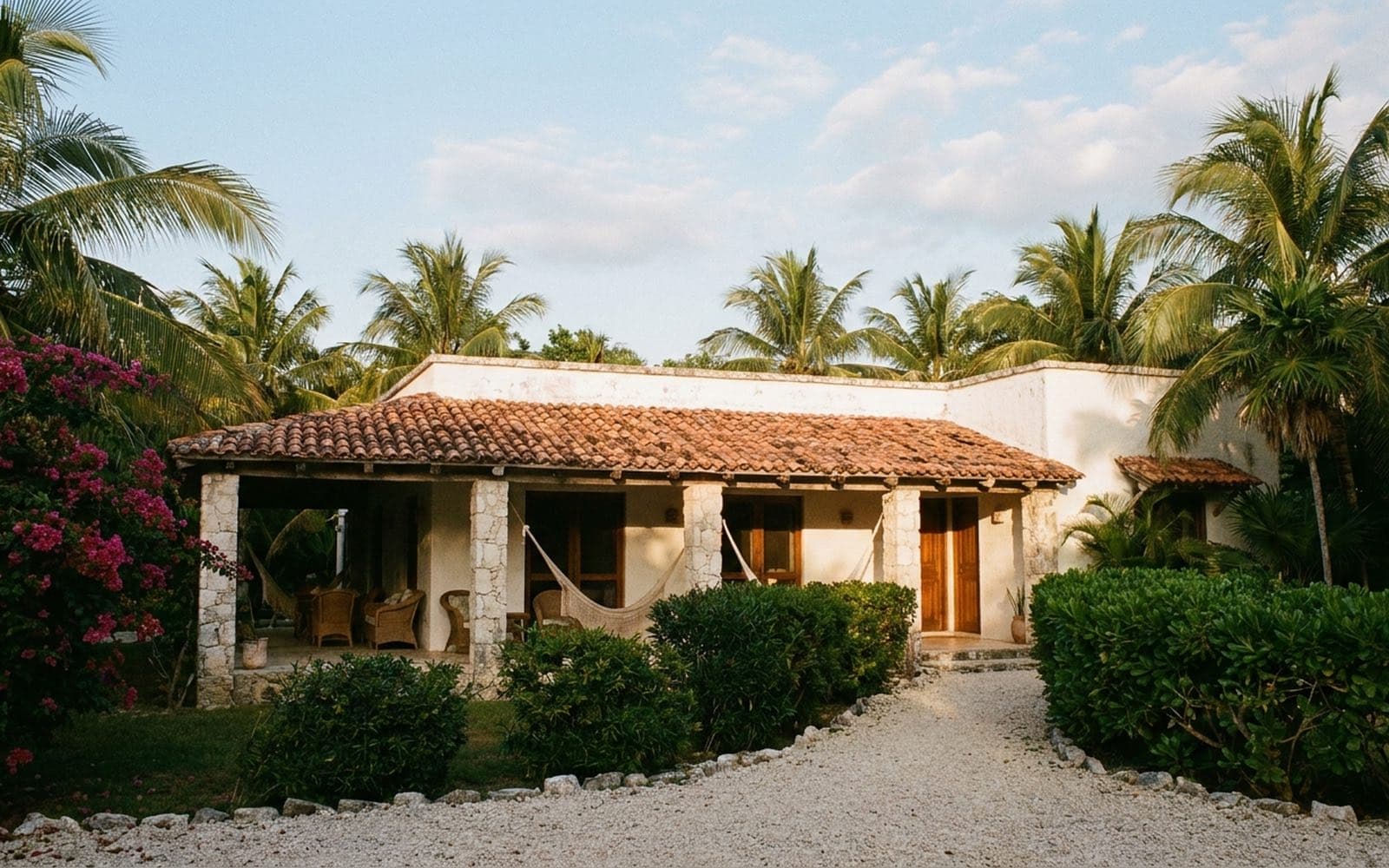
MindScape Retreat offers medically supervised ibogaine treatment in Cozumel, Mexico. Speak with our clinical team to learn if you are a candidate.