Chapter 1
What Is Ibogaine?
Ibogaine is a psychoactive alkaloid found in the root bark of Tabernanthe iboga, a shrub native to Central and West Africa. For centuries, the Bwiti tradition in Gabon has used iboga root bark in rites of passage and spiritual ceremonies. In the 1960s, an American named Howard Lotsof accidentally discovered that ibogaine eliminated his heroin withdrawal symptoms and cravings, a finding that launched decades of clinical research into ibogaine as a treatment for addiction.
Today, ibogaine is used in medically supervised settings across Mexico, Canada, New Zealand, and other jurisdictions where it is legal. It is administered as pharmaceutical-grade ibogaine hydrochloride (HCL) or Total Alkaloid extract (TA), both derived from the iboga plant but purified to allow precise dosing and cardiac safety monitoring. Our plain-language reference on what ibogaine is covers the pharmacology and the evidence in more depth, and our reference on the iboga plant covers the botany, the Bwiti tradition and where the material actually comes from. For how a supervised program is actually run in the jurisdiction most patients travel to, see ibogaine treatment in Mexico.
Ibogaine is not a maintenance medication like methadone or Suboxone. It is not taken daily. It is a one-time or limited-course intervention that produces lasting neurological changes in a single treatment session. This distinction (a catalytic event rather than an ongoing prescription) is what makes ibogaine fundamentally different from every other approach to addiction, depression, and trauma treatment available in conventional medicine.
Chapter 2
How Does Ibogaine Work? The Science of Neuroplasticity
Ibogaine's therapeutic effect operates on four simultaneous mechanisms, a combination no other single compound replicates.
First, opioid receptor reset. Ibogaine binds to mu-opioid, kappa-opioid, and NMDA receptors, effectively resetting them to a pre-addicted baseline. This is why patients report that withdrawal symptoms and cravings disappear within hours of treatment, not through substitution (as with methadone), but through receptor normalization.
Second, neurotrophic factor upregulation. Ibogaine and its long-acting metabolite noribogaine increase production of GDNF (Glial Cell Line-Derived Neurotrophic Factor) and BDNF (Brain-Derived Neurotrophic Factor). These growth factors repair damaged neural circuits, promote new synaptic connections, and enhance neuroplasticity, the brain's ability to rewire itself. This neuroplastic window remains open for weeks to months after treatment, which is why the post-treatment integration period is so critical.
Third, serotonergic and dopaminergic modulation. Ibogaine interacts with serotonin transporters (SERT) and sigma-2 receptors, producing antidepressant and anxiolytic effects that persist well beyond the acute treatment phase. Noribogaine, which remains pharmacologically active for 4 to 6 weeks, sustains this mood-stabilizing effect.
Fourth, deep introspective processing. During the acute phase (8 to 24 hours), patients report vivid autobiographical review: revisiting formative experiences, understanding the origins of destructive patterns, and gaining perspective on their lives with unusual clarity and emotional detachment. This psychological processing, combined with the neurological reset, produces behavior change that neither pharmacology nor psychotherapy alone can achieve.
Chapter 3
What Conditions Does Ibogaine Treat?
Chapter 4
The Ibogaine Treatment Protocol: Step by Step
Initial Consultation & Screening
A 45-minute clinical consultation reviews your medical history, current medications, substance use, psychiatric history, and treatment goals. If ibogaine treatment is appropriate, you receive a pre-treatment protocol: medication adjustments (supervised taper if needed), dietary guidelines, and blood work orders. This phase takes 2 to 4 weeks before arrival.
Cardiac Safety Screening
The non-negotiable foundation of safe ibogaine treatment. Every patient receives a 12-lead EKG, comprehensive metabolic panel (electrolytes, liver function, kidney function), complete blood count, and thyroid panel. The physician reviews QTc interval, identifies contraindicated medications, and makes the clearance decision. Patients with uncorrectable cardiac risk are not cleared, and that refusal is itself a sign of a trustworthy clinic.
Preparation Phase (Days 1-2)
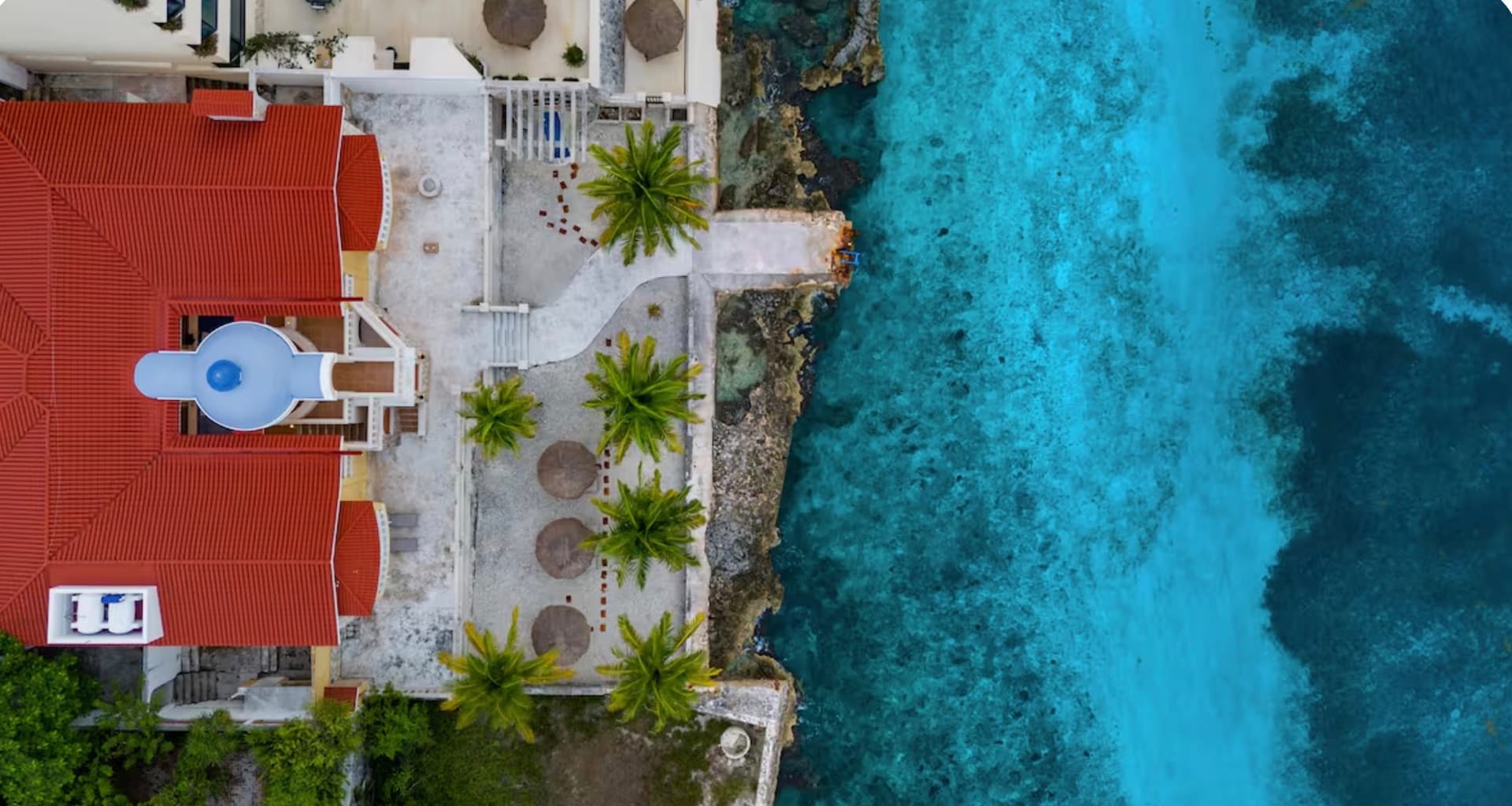
Upon arrival in Cozumel, you complete final medical screening, meet your clinical psychologist, and begin preparation work: intention-setting, psychoeducation about the ibogaine experience, dietary protocol, and acclimation to the facility. The psychology team evaluates readiness and identifies therapeutic focus areas for the session.
Ibogaine Treatment Session
Pharmaceutical-grade ibogaine HCL is administered in a private medical suite with continuous cardiac monitoring, pulse oximetry, and blood pressure tracking. A physician and registered nurse remain present throughout the 12 to 36-hour active phase. Dosing is individualized by body weight, metabolic rate, and clinical presentation. Many protocols begin with a TA (Total Alkaloid) booster 24-48 hours before the HCL flood dose.
Integration Phase (Days 3-10)
The most neurologically important period. Noribogaine remains active for weeks, keeping the neuroplastic window open. Daily one-on-one psychotherapy, somatic work, nutritional support, movement, and time in nature help insights crystallize into lasting behavioral change. Guided 5-MeO-DMT (Bufo) ceremonys may be offered for patients who are clinically cleared and neurologically primed.
Structured Aftercare (3-12 Months)
Every patient departs with a structured aftercare plan: weekly remote psychotherapy, medication management if applicable, dietary and supplement guidance, crisis support, and alumni community access. Programs of 10 days or longer include a one-month aftercare microdose supply, dispensed at discharge. Long-term outcomes depend heavily on what happens in the 3 to 6 months post-treatment. MindScape remains your clinical partner throughout.
Chapter 5
Ibogaine Safety: What Makes Treatment Safe (and What Makes It Dangerous)
Ibogaine is not inherently dangerous, but it is inherently serious. The primary medical risk is QTc interval prolongation: ibogaine blocks hERG potassium channels in the heart, which can lead to Torsade de Pointes (a potentially fatal arrhythmia) in patients with pre-existing cardiac conditions or electrolyte imbalances. This risk is well-documented and entirely manageable in a proper medical setting.
The vast majority of ibogaine-related deaths reported in medical literature occurred in one of three scenarios: unsupervised use (self-administration without medical monitoring), pre-existing cardiac conditions that were not screened for, or dangerous drug interactions (particularly with methadone at high doses or QT-prolonging medications). In properly equipped clinical settings with appropriate screening, the safety profile is strong.
At MindScape Retreat, safety is not an afterthought. It is the architecture. Every patient receives a 12-lead EKG interpreted by a physician who understands QTc pharmacology. Comprehensive blood panels screen for electrolyte imbalances, liver dysfunction, and metabolic abnormalities. Medications are reviewed for interactions. During treatment, continuous cardiac telemetry, pulse oximetry, and blood pressure monitoring run for the full duration of the acute phase. A physician is present throughout. Resuscitation equipment and emergency medications are immediately available.
The question is not whether ibogaine is safe. The question is whether the clinic administering it has the medical infrastructure, physician expertise, and screening discipline to make it safe. That distinction separates clinical ibogaine treatment from everything else.
Chapter 6
How Ibogaine Compares to Other Treatments
Ibogaine vs Methadone
Methadone replaces one opioid dependency with another, requiring daily dosing indefinitely. Ibogaine resets opioid receptors in a single session: no ongoing dependency.
Ibogaine vs Suboxone
Suboxone (buprenorphine) manages withdrawal but does not address the neurological roots of addiction. Ibogaine produces lasting receptor reset and neuroplasticity enhancement.
Ibogaine vs Ketamine
Ketamine provides temporary antidepressant effects (hours to days). Ibogaine's noribogaine metabolite sustains therapeutic effects for weeks to months post-treatment.
Ibogaine vs Ayahuasca
Ayahuasca works on serotonergic pathways only. Ibogaine simultaneously modulates opioid, serotonin, dopamine, and NMDA receptors: broader pharmacological action.
Ibogaine vs Traditional Rehab
Traditional rehab has 40-60% relapse rates within the first year. In the strongest published ibogaine cohort, 50% reported no opioid use in the prior 30 days at one-month follow-up (Brown & Alper 2018).
Ibogaine vs Psilocybin
Psilocybin shows promise for depression but lacks ibogaine's opioid receptor reset. For addiction, ibogaine's multi-receptor mechanism is unmatched.
Chapter 7
Success Rates and Clinical Evidence
The clinical evidence for ibogaine treatment is substantial and growing. In the strongest published cohort, 50% reported no opioid use in the prior 30 days at one-month follow-up (Brown & Alper 2018, n=30), with drug-use improvements sustained through twelve months; in an 88-patient survey, 41% reported sustained abstinence of more than six months (Davis et al. 2017). Conventional rehab programs, by comparison, see 40 to 60 percent relapse within the first year.
For depression, the strongest published signal is Stanford's 2024 Nature Medicine veterans study, which reported an 88% average reduction in PTSD symptoms at one month, with comparable improvements in depression and anxiety. Neuroimaging studies show increased BDNF and GDNF expression, the same growth factors implicated in the antidepressant effects of exercise and meditation, but at dramatically higher levels.
For PTSD, the strongest evidence is Stanford Medicine's published veteran research: 88% average symptom improvement one month after ibogaine, with follow-up brain-imaging analyses published in 2025-2026 (twelve-month symptom outcomes are not yet published). Stanford University and Johns Hopkins are conducting ongoing clinical trials evaluating ibogaine for traumatic brain injury in veterans.
For Parkinson's disease, MindScape runs an exploratory program measured on MDS-UPDRS motor scores from baseline through follow-up. GDNF upregulation (ibogaine's primary neuroprotective mechanism) is the same pathway that pharmaceutical companies have spent billions trying to target through gene therapy and surgical delivery. Ibogaine achieves it pharmacologically.
The research landscape is accelerating. In 2026 alone, the FDA accepted the first US IND for an ibogaine-class compound, Texas committed roughly $100 million to a statewide trial program, Arizona added $5 million, and follow-up brain-imaging analyses from Stanford's veterans study appeared in Nature Mental Health and iScience. The scientific consensus is shifting from "promising but unproven" toward serious, funded clinical investigation.
Chapter 8
Ibogaine Treatment Cost and What's Included
Ibogaine treatment costs vary significantly by clinic, location, and program length. Transparent pricing is a trust signal: clinics that require a phone call before disclosing cost are often hiding inflated fees.
MindScape Retreat Pricing
- 5-Day Wellness Retreat: $7,500
- 7-Day Standard Program: $8,500
- 10 to 14 Day Opioid/Fentanyl: $13,500
- 10 to 14 Day SSRI Discontinuation: $13,500
- 14-Day Methadone/Suboxone Transition: $15,500
- 14-Day Parkinson's Protocol: $15,500
All programs are all-inclusive. No hidden fees.
What's Included
- ✓Medical screening: EKG, blood work, psychiatric evaluation
- ✓Pharmaceutical-grade ibogaine (HCL + TA protocol)
- ✓24/7 physician and nursing supervision
- ✓Private accommodation and meals
- ✓Daily integration therapy with licensed psychologist
- ✓Guided 5-MeO-DMT (Bufo) ceremony
- ✓Airport transfers and ground logistics
- ✓90 days structured aftercare (remote therapy + support)
For detailed pricing information and financing options, see our Plans & Pricing page and Ibogaine Cost Guide. Financing is available through our financing partners.
Chapter 9
How to Choose a Qualified Ibogaine Clinic
The difference between a safe ibogaine clinic and a dangerous one is not price, location, or marketing. It is medical infrastructure. Here are the five non-negotiables:
1. Board-certified physician on-site. Not a facilitator, not a shaman, not a "trained practitioner." A physician who can interpret a 12-lead EKG, manage a cardiac emergency, and make real-time clinical decisions. Ask for credentials. Verify them.
2. Comprehensive cardiac screening before treatment. A baseline 12-lead EKG is the absolute minimum. Quality clinics also perform comprehensive metabolic panels, complete blood counts, thyroid function tests, and detailed medication reviews. If a clinic does not screen your heart before administering ibogaine, leave.
3. Pharmaceutical-grade ibogaine with verified purity. Ask what form of ibogaine is used (HCL, TA, or both), where it is sourced, and whether it is tested for purity and potency. Artisanal root bark preparations have inconsistent alkaloid concentrations that make precise dosing impossible.
4. Continuous monitoring during the acute phase. Cardiac telemetry, pulse oximetry, and blood pressure monitoring should run continuously for the full duration of treatment, not spot-checked every few hours. A physician or nurse should be present throughout, not on-call from another location.
5. Structured aftercare program. Ibogaine treatment without aftercare has significantly lower success rates. A quality clinic includes remote psychotherapy, medication management, and community support for a minimum of 90 days post-treatment. If a clinic treats your session as a standalone event, it is not treating you seriously.
Chapter 10
Ibogaine Legal Status: Where Is It Legal?
Ibogaine is classified as a Schedule I controlled substance in the United States, meaning it cannot be legally manufactured, prescribed, or administered domestically. It is similarly restricted in Belgium, France, Sweden, Denmark, and Switzerland.
However, ibogaine is legal or unregulated in many jurisdictions worldwide. In Mexico, ibogaine does not appear on the controlled substances schedule (Lista I through IV) and can be legally administered by licensed medical professionals. This is why the majority of English-speaking ibogaine clinics operate in Mexico. It is the nearest legal jurisdiction with established medical infrastructure.
Other countries where ibogaine is legal or unregulated include Canada, New Zealand, Brazil, South Africa, Costa Rica, the Netherlands (for clinical use), and most Caribbean nations. Each jurisdiction has its own regulatory framework for how ibogaine may be administered.
U.S. and Canadian citizens traveling to Mexico for ibogaine treatment incur no domestic legal consequences. You are not breaking any law in your home country by receiving treatment abroad. However, purchasing or possessing ibogaine within the United States remains illegal regardless of medical purpose.
The legal landscape is evolving rapidly. In 2025 and 2026, Texas allocated $50 million and Arizona $5 million specifically for ibogaine research. Multiple clinical trials at U.S. universities are evaluating ibogaine under FDA investigational new drug applications. While domestic legalization is not imminent, the regulatory trajectory is clearly toward clinical acceptance.
Frequently Asked Questions
Ibogaine Treatment: Your Questions Answered
Deep Dive: Explore Every Topic
This guide is the hub. Each link below is a comprehensive deep-dive into a specific aspect of ibogaine treatment.
Every MindScape treatment program includes a guided 5-MeO-DMT (Bufo) ceremony, part of the all-inclusive price, not an add-on.
Precision dosing
Your main dose is measured, not estimated
Before the main session, we give a short series of low, sub-psychoactive ibogaine TA boosters. Each one is a measurement. Ibogaine and its long-lived metabolite noribogaine both affect the heart's hERG potassium channel, and that effect is dose-dependent, so instead of predicting how you will respond we observe it directly at doses far below a full session. Your main dose is then chosen from your own cardiac response and the margin you have left.
No ibogaine given. 12-lead ECG, electrolytes and liver panel establish the starting point. A baseline outside safe limits stops the programme here.
These are the measurements the protocol is built around. The trace above is a schematic used to explain the method; it is not a recording of a patient, and the values shown are illustrative rather than results.
How the booster protocol works →