Understanding the Conditions
Why Alcohol and Cocaine Dependence Resist Conventional Treatment
Cocaine and alcohol are among the most commonly abused substances, each with its own neurochemical profile and clinical challenges. Cocaine, a powerful stimulant, produces severe psychological and physical dependence by flooding the brain's reward system with dopamine, creating a neurochemical standard for pleasure that normal life cannot match. Alcohol, a depressant, is known for its pervasive impact on GABA receptors, liver function, and social behavior, with withdrawal that can be medically dangerous in severe cases.
Traditional treatments for cocaine and alcohol dependence (behavioral therapy, naltrexone, Antabuse) often provide only partial relief. They can manage some behaviors associated with addiction, but frequently fail to address the underlying psychological and neurochemical causes. The result is a relapse cycle that many patients describe as demoralizing and seemingly inevitable. Ibogaine takes a different approach entirely: it targets the neurological architecture that sustains the addiction.
What Is Alcohol Use Disorder (AUD)?
Alcohol Use Disorder is a chronic medical condition characterized by compulsive alcohol consumption, loss of control over intake, and a negative emotional state during withdrawal. It involves structural changes to the brain's GABA receptors, glutamate signaling, and reward circuitry that make sustained abstinence extraordinarily difficult through willpower alone.
- Affects approximately 29.5 million Americans (NIAAA 2022), with only 7.6% receiving any treatment
- Conventional treatments (naltrexone, Antabuse, 12-step) address behavior but not the underlying neurochemical dysregulation
- Ibogaine resets GABA, glutamate, dopamine, and serotonin systems simultaneously, the full neurochemical architecture sustaining the addiction
- MindScape's booster protocol targets nicotinic α3β4 receptors directly implicated in alcohol craving pathways
Evidence-Based Comparison
Ibogaine vs. Conventional Alcohol & Cocaine Treatment
| Ibogaine | Naltrexone, Antabuse & 12-Step | |
|---|---|---|
| Mechanism | Multi-system neurochemical reset: dopamine, serotonin, GABA, glutamate | Single-target: opioid receptor blockade (naltrexone) or aversion (Antabuse) |
| Craving Reduction | Dramatic reduction from single treatment, patients report compulsion absent | Partial craving reduction requiring daily medication compliance |
| Treatment Duration | 10-12 day intensive protocol | Months to years of ongoing participation |
| Neuroplasticity | GDNF upregulation promotes neural repair of reward circuitry | No neurorestorative mechanism |
| Psychological Insight | Deep introspective processing of emotional drivers | Gradual behavioral modification through group support |
| Relapse Prevention | Neurochemical reset removes compulsive substrate | Relies on willpower, social support, and medication adherence |
Substances We Treat
Alcohol, Cocaine, and Related Stimulant Dependencies
Alcohol Use Disorder
Alcohol dependence involves GABA receptor downregulation, glutamate dysregulation, and deep behavioral conditioning that standard treatment rarely unwinds. Ibogaine resets the neurochemical balance across multiple systems and facilitates the introspective processing of the psychological drivers underlying the drinking, both simultaneously.
Cocaine & Crack Cocaine
Cocaine addiction centers on dopamine system dysregulation: the brain loses its capacity to experience normal pleasure without the drug. Ibogaine's restoration of dopaminergic balance and its promotion of GDNF-driven neuroplasticity directly addresses this deficit, while the psychedelic experience provides access to the emotional roots of the dependency.
Methamphetamine
Meth causes some of the most severe neurological damage of any stimulant: dopaminergic neuron loss, impaired neuroplasticity, and long-lasting cognitive deficits. Ibogaine's GDNF upregulation is particularly relevant here, supporting neuronal repair and restoration of cognitive function alongside the behavioral and emotional dimensions of recovery.
Polysubstance Dependence
Many patients arrive with combined alcohol and stimulant use, sometimes alongside opioid or benzodiazepine components. Our protocols are designed for the full picture. We assess each case individually and design treatment plans that address the complete dependency profile rather than isolating a single substance.
For a detailed account of alcohol recovery through ibogaine, read our alcohol addiction case study documenting neurochemical markers and patient-reported outcomes. Our overall treatment success rates show sustained craving reduction across substance types.
How Ibogaine Works
Resetting Neurochemistry, Restoring Neuroplasticity
Ibogaine's primary action in treating cocaine and alcohol addiction involves resetting the brain's neurochemical balance across multiple systems, dopamine and serotonin most centrally, both of which are critical for regulating mood, reward, and addiction pathways. By restoring equilibrium to these systems, ibogaine reduces cravings and withdrawal symptoms and removes the neurochemical compulsion that keeps people returning to the substance even when they desperately want to stop.
One of the key mechanisms is the upregulation of GDNF (Glial Cell Line-Derived Neurotrophic Factor), which supports neuronal survival and enhances the brain's capacity to reorganize and repair itself. Ibogaine also facilitates deep psychological insight: during therapy, individuals often encounter introspective visions that illuminate the underlying emotional and psychological issues driving their addiction. This profound inner work is essential for lasting recovery: it addresses root causes rather than symptoms. We integrate NAD+ infusions and 5-MeO-DMT to amplify these healing pathways.
In MindScape's 10 to 12 day alcohol and cocaine program, patients receive twice-daily ibogaine TA booster doses across several consecutive days before the HCl flood session. This extended pre-loading phase leverages TA's full alkaloid spectrum, including ibogaline and tabernanthine, which engages nicotinic α3β4 receptors directly implicated in alcohol craving pathways while simultaneously providing GABAergic stabilization during the critical pre-flood period. For cocaine patients, the graduated noribogaine accumulation begins restoring dopamine transporter function days before the flood amplifies that reset. By the time the primary HCl dose is administered, the nervous system has already begun neurochemical recalibration across multiple receptor systems, producing a smoother, safer flood experience and measurably stronger craving reduction than any single-dose approach.
Alcohol-Specific Medical Considerations
Liver Function, Withdrawal Safety & Pre-Treatment Protocols
Alcohol dependence presents unique medical challenges that distinguish it from opioid or stimulant addiction treatment. Chronic alcohol use causes direct hepatotoxicity, elevated liver enzymes (AST, ALT, GGT) and potentially fatty liver disease or cirrhosis, which affects how the body metabolizes ibogaine and its active metabolite noribogaine. MindScape's pre-treatment bloodwork includes a comprehensive hepatic panel specifically to assess liver function and adjust dosing protocols accordingly. Patients with significantly impaired liver function may require modified dosing schedules or extended monitoring periods.
Alcohol withdrawal itself carries medical risk that other substance withdrawals do not. Severe alcohol withdrawal can produce delirium tremens, seizures, and autonomic instability, conditions that must be fully resolved before ibogaine administration. Patients with daily heavy alcohol consumption undergo medically supervised stabilization, which may include benzodiazepine taper protocols managed by our medical team in the days before the ibogaine session. This stabilization period is not optional; it is a fundamental safety requirement that distinguishes responsible ibogaine treatment from clinics that rush the process.
For cocaine and stimulant patients, the medical considerations differ: cardiac screening takes priority because chronic stimulant use can cause cardiomyopathy and arrhythmias. Every patient receives a 12-lead EKG and cardiac assessment regardless of substance, but stimulant users receive additional attention to left ventricular function and QTc interval measurement. Our medical director reviews all screening results personally before approving treatment protocols.
Recovery Timeline
What to Expect After Ibogaine Treatment for Alcohol & Cocaine
Days 1-3 Post-Treatment
Physical recovery from the ibogaine session itself. Most patients report significant reduction or complete absence of cravings from the first day. Sleep patterns are resetting. Appetite returns. The neurochemical recalibration is already underway via noribogaine's sustained action on serotonin and dopamine transporters.
Weeks 1-4
The integration window. Emotional clarity increases as GDNF-driven neuroplasticity supports neural reorganization. Many alcohol patients describe an unfamiliar calm, the constant background noise of craving that defined their daily experience is simply absent. This is when structured integration coaching is most critical for building new patterns.
Months 1-3
Noribogaine remains pharmacologically active, continuing to support serotonin regulation and reward pathway normalization. Social situations that previously triggered cravings are navigated with notably less difficulty. Patients in our 90-day integration program report that the psychological insights from treatment continue to deepen and clarify during this period.
Months 3-12 & Beyond
Long-term outcomes depend heavily on integration quality and lifestyle restructuring. MindScape's follow-up data shows sustained craving reduction at 6 and 12 months for patients who actively engaged with post-treatment integration. Some patients choose a booster session at the 6-month mark to reinforce gains, though most find the initial treatment sufficient.
Many alcohol and cocaine patients benefit from our combined protocol including 5-MeO-DMT therapy, which provides a complementary mechanism for emotional breakthrough and ego dissolution. For patients with co-occurring depression, our 5-MeO-DMT depression protocol addresses mood disorder alongside the addiction simultaneously.
Clinical Protocol
What to Expect: The Treatment Journey
Free Consultation
We begin with an honest conversation about your substance use history, what you have tried before, and what lasting freedom would mean to you. No judgment, no pressure, only straightforward guidance about whether ibogaine is appropriate for your situation.
Medical Screening
Comprehensive intake including EKG cardiac evaluation, complete bloodwork, and liver panel. Alcohol-dependent patients require careful medical assessment given the physiological complexity of alcohol withdrawal. Any concurrent medications are reviewed for safety interactions.
Protocol Design
Our medical director designs your personalized ibogaine dosing based on your dependency profile. We determine whether a microdose sequence or macrodose approach best fits your physiology and clinical presentation, and plan supplemental NAD+ and 5-MeO-DMT as appropriate.
Treatment in Cozumel
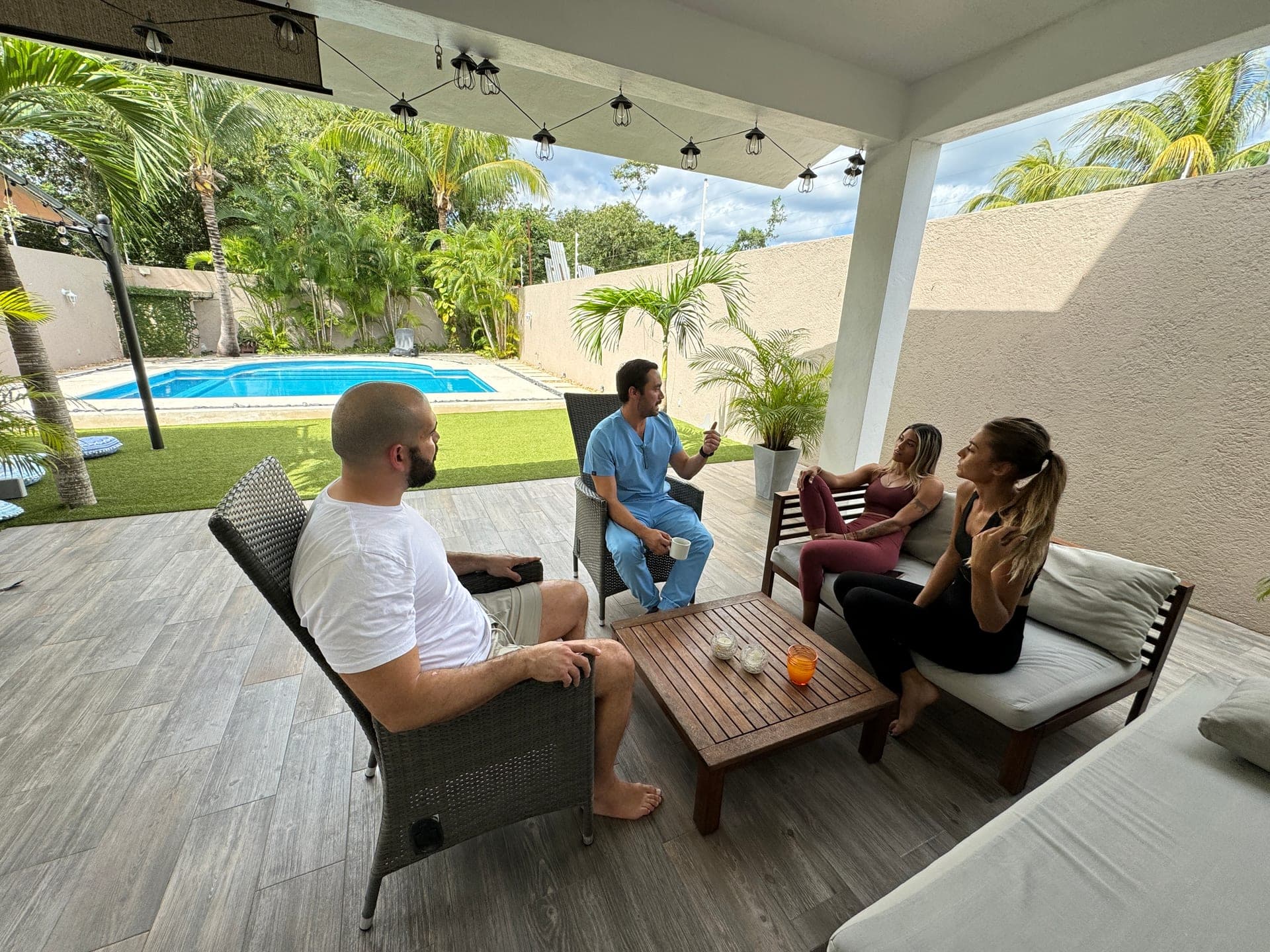
Your treatment takes place at our intimate, medically-equipped retreat on Cozumel Island. Physician and nurse supervision is continuous throughout the session. The ibogaine experience typically lasts 12 to 24 hours and often produces deep psychological insight alongside the neurochemical reset.
Integration & Aftercare
Lasting recovery requires integration. We provide a 90-day structured integration framework, scheduled coaching, and access to our private patient community. The introspective work done during treatment needs to be applied to daily life, and our team supports that entire process.
Common Questions
Alcohol & Cocaine Treatment. Frequently Asked Questions
Program Investment
Transparent, All-Inclusive Pricing
5-MeO-DMT (Bufo) Day Session
from $1,450
Single-day guided 5-MeO-DMT session: $1,450 at Casa Selva or The Hacienda, $2,200 private at the Oceanfront Residence.
Ibogaine Protocol (10-Day)
$11,500
10-day all-inclusive ibogaine program. Full neurochemical reset and integration support.
Ibogaine Protocol (12-Day)
$13,500
12-day extended ibogaine program. Additional integration sessions and deeper neurochemical repair.
All pricing includes accommodations, meals, medical supervision, pre-treatment preparation, NAD+ infusions, and 90-day integration support. Programs of 10 days or longer include a one-month aftercare microdose supply at discharge. No hidden fees.
Treatment Comparisons
Explore Ibogaine Treatment Resources
Related Treatments
Explore Related Treatment Programs
Not sure if you're ready? Take our confidential self-assessment or explore our clinical outcomes.
Find Out if You're a Candidate
Start with a free, confidential medical pre-screening, reviewed personally by our clinical team, with no obligation. Every alcohol or stimulant dependence case is screened individually.
Start Free Medical Pre-Screening →Start a Confidential Conversation
100% Confidential · No Obligation · Response Within 24 Hours
Get our Medical Credentials & Patient Safety Packet
15 pages: our physicians and licenses, cardiac safety standards, emergency protocols, travel guidance, and answers to the questions families ask most.
No spam, ever. Or download it directly without sharing your email.
100% Confidential · No Obligation · Available 7 Days a Week
Primary References
Our protocols align with the primary scientific literature, including the MAPS Ibogaine Investigator's Brochure (July 2026), NIDA's psychedelic & dissociative drugs research, and registered trials on ClinicalTrials.gov. Ibogaine remains investigational; we pair published evidence with measured, real-world outcome tracking.
Measured & safe
Recovery you can track. Safety you can trust.
Our data platform measures your progress before, during, and after your stay, while our medical team looks after your safety in person at every step. The same picture that guides your care is the one that shows it worked.
Validated instruments build your baseline before you travel.
Our medical team is with you around your session, and a chest monitor strap streams your vitals to them whenever you're in our care, on technology we built ourselves.
Your progress re-scored against your baseline, in your portal.
Every MindScape treatment program includes a guided 5-MeO-DMT (Bufo) ceremony, part of the all-inclusive price, not an add-on.
Precision dosing
Your main dose is measured, not estimated
Before the main session, we give a short series of low, sub-psychoactive ibogaine TA boosters. Each one is a measurement. Ibogaine and its long-lived metabolite noribogaine both affect the heart's hERG potassium channel, and that effect is dose-dependent, so instead of predicting how you will respond we observe it directly at doses far below a full session. Your main dose is then chosen from your own cardiac response and the margin you have left.
No ibogaine given. 12-lead ECG, electrolytes and liver panel establish the starting point. A baseline outside safe limits stops the programme here.
These are the measurements the protocol is built around. The trace above is a schematic used to explain the method; it is not a recording of a patient, and the values shown are illustrative rather than results.
How the booster protocol works for alcohol and stimulant dependency →Looking for alcohol and cocaine addiction treatment accessible from your state? MindScape Retreat treats patients from across the US with direct flights to Cozumel. Find ibogaine treatment near you.