The obstacle nobody talks about
Ask people what kept them from saying yes to treatment and you'll hear about cost, work, and family. But for a lot of dog owners, the honest answer is simpler: there was no one they trusted to take the dog. Weeks of boarding is expensive, stressful for the animal, and, for someone already carrying a lot, sometimes the one burden too many.
The irony is that the companion who kept you steady through the hardest stretch is exactly who you'd want nearby during treatment and integration. A familiar animal in an unfamiliar place is grounding in a way no amenity can replicate.
Most treatment centers understand this and still can't help. Shared rooms, allergies, safety rules, and other residents make animals impractical in a shared facility. That's not a policy failure; it's a floor-plan problem. Solving it takes a private residence.
Five questions to ask any “pet-friendly” program
The phrase gets used loosely. These five questions separate a marketing line from a program that has actually planned for your dog.
Does my dog stay overnight, or only visit?
Many 'pet friendly' claims mean scheduled visits. A genuinely pet-friendly program houses you together for the full stay.
Are there size or breed limits?
Clear limits are a good sign. They mean the program has actually thought it through rather than improvising.
Who cares for my dog during treatment sessions?
Treatment days are supervised and structured. Someone specific should be responsible for your dog while you're in session.
Is there safe outdoor space?
A dog needs to be a dog. Private, enclosed grounds matter, especially for a stay of a week or more.
Are there extra fees or cleaning charges?
Transparent programs tell you up front. Surprises at checkout are a red flag for how the rest of the program is run.
The Pet-Friendly Option
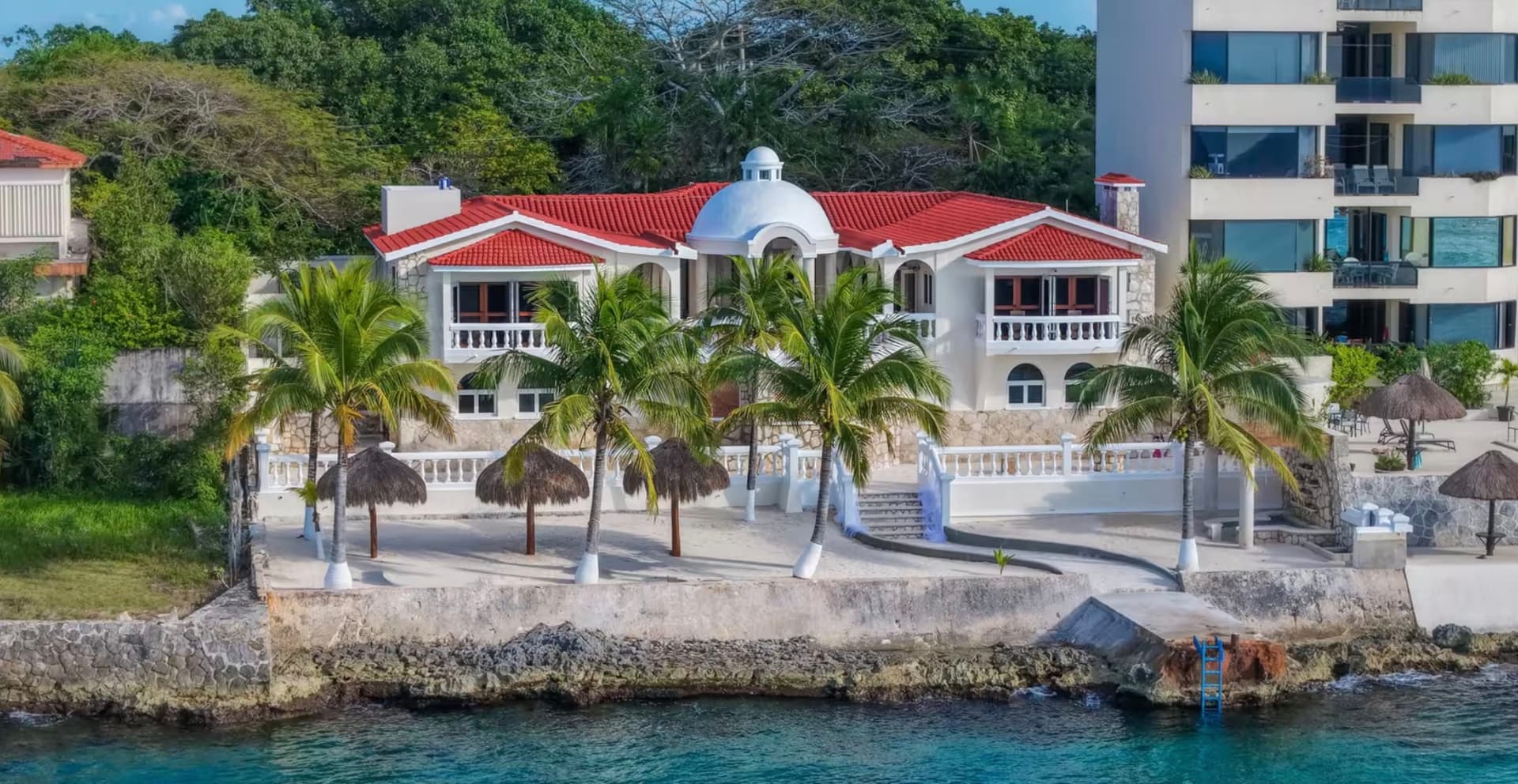
A private oceanfront residence where your dog stays with you
Pet-friendly rehab, answered
What is a pet-friendly rehab?
A pet-friendly rehab is a treatment program that lets you bring your pet (usually a dog) to stay with you during residential treatment. True pet-friendly programs are rare: most facilities are shared medical environments where animals can't be accommodated safely, so 'pet friendly' often means little more than a visiting policy. A genuinely pet-friendly program houses you and your pet together for the full stay.
Why do so few rehab centers allow pets?
Most residential treatment happens in shared facilities: shared rooms, shared dining, shared clinical spaces. Allergies, safety rules, hygiene standards, and other residents' needs make animals impractical there. The programs that can truly accommodate pets are usually private-residence settings, which is why pet-friendly options tend to exist only at the premium end of treatment.
Does MindScape Retreat allow dogs?
Yes, at our VIP Oceanfront Residence in Cozumel, Mexico. The residence is a private beachfront estate reserved for a very small number of guests, which is what makes it possible to welcome small and medium-sized dogs to stay with you through the complete medically supervised ibogaine program. Our flagship shared facility cannot accommodate pets. The private residence is what makes it work.
What should I ask a program that says it's pet friendly?
Ask whether your pet stays with you overnight or only visits; whether there are size or breed limits; who cares for your dog during treatment sessions; whether outdoor space is safe and accessible; and whether there are extra fees. A real pet-friendly program will have clear answers to all five. At MindScape's VIP residence, dogs stay with you, small and medium sizes are welcome, our team helps care for your dog during your treatment day, and the estate's private grounds give them room to be a dog.
Is bringing my dog to treatment actually a good idea?
For many people it removes the single biggest obstacle to going at all: leaving a beloved animal behind, or having no one to care for them. A familiar companion can also be steadying during an emotionally intense process like ibogaine treatment and integration. Your medical team will help you think through the timing: the treatment day itself is supervised and structured, and your dog is cared for while you're in session.
Every MindScape treatment program includes a guided 5-MeO-DMT (Bufo) ceremony, part of the all-inclusive price, not an add-on.