People do not type ayahuasca near me because they are curious about botany. They type it at eleven at night, after something has gone wrong for long enough, and what they are really asking is whether help exists within reach. The search engine answers a different question than the one that was asked — it returns proximity, and proximity is close to irrelevant to whether a given setting is safe for you specifically.
This is not an argument against ayahuasca. It is an argument about what a listing can and cannot contain, and about the specific medical questions that sit underneath a decision most people make from a website and a phone call.
What a search for ayahuasca near me actually returns
Three categories of result tend to appear, and they are not equivalent.
Religious and syncretic organizations
Ayahuasca is central to the practice of several churches that trace their lineage to Brazil. In the United States, DMT — the compound that makes the brew psychoactive — is a Schedule I substance, and the legal footing for these groups rests on religious-freedom protections rather than on any general legality of the medicine. Membership requirements, ceremony formats and screening practices vary widely between them.
Underground ceremonies
Private gatherings, often organized informally, sometimes by facilitators with genuine lineage and sometimes by people with a weekend of experience. These are the results that surface through word of mouth and social media rather than through search, and they are the ones with the least accountability behind them.
Retreats abroad
Programs in countries where the brew is legal or tolerated, marketed to an English-speaking audience. Here the distance between the best-run and the worst-run is enormous, and a website reveals almost nothing about which end of that range you are looking at.
What none of these categories tell you from the listing is the thing that determines your personal risk: who evaluates whether you should participate at all, and what happens in the room if you have a medical event. Our state-level pages exist to answer the version of the question people are actually asking — someone searching ayahuasca near me from Nevada is usually trying to find the closest genuinely supervised option, not the closest ceremony.
To be clear about our own position: MindScape Retreat does not run ayahuasca ceremonies. We run physician-supervised ibogaine and 5-MeO-DMT programs. The reason we write about this search at all is that the people making it are frequently making a medical decision without realizing it.
Why "near" is the weakest variable in the decision
Proximity feels like the practical filter. In this category it is close to the least informative one.
The variable that predicts how a session goes is not distance — it is whether anyone qualified evaluated you before it started. A ceremony forty minutes from your house with no medical intake is a higher-risk proposition than a supervised program that required a flight, and geography does nothing to change that.
Proximity also correlates with the wrong things. Nearby options in a country where the medicine is prohibited are, almost by definition, operating outside any framework that would require medical staffing, emergency equipment or documented screening. The absence of regulation is not neutral. It means nobody is obliged to turn you away, and being turned away is sometimes the most valuable thing a program can do for you.
There is a second, subtler cost. When people search by distance, they tend to compare options on price and availability, because those are the two fields every listing publishes. Screening depth, medical staffing and aftercare are not fields on a listing, so they drop out of the comparison entirely — not because they do not matter, but because they are invisible in the format.
The distance objection is also usually smaller than it looks. People imagine that travelling for care means an enormous additional burden, and then discover that the flight is the cheapest and least consequential part of the decision. What actually costs you is choosing a setting that will not tell you no. A single unscreened session that goes badly generates more disruption, expense and fear than any amount of travel, and it can close the door on trying anything again for years.
None of which means a nearby option is automatically the wrong one. It means distance belongs at the end of the list, after screening, staffing and aftercare have already narrowed the field — not at the top of it, where a search engine puts it by default.
The medication problem nobody in the listing asks about
This is the part worth reading twice, because it is the most common serious hazard and the one least likely to come up in a booking conversation.
Ayahuasca is not one plant. It is a brew, traditionally combining a vine containing harmala alkaloids with a leaf containing DMT. Those harmala alkaloids — harmine, harmaline and tetrahydroharmine — are monoamine oxidase inhibitors. The MAOI activity is not incidental; it is the mechanism that makes orally consumed DMT active at all.
That matters because MAOIs interact with a long list of everyday medications. Combining an MAOI with serotonergic antidepressants, including SSRIs and SNRIs, carries a risk of serotonin syndrome, which can be life-threatening. Other classes raise blood pressure concerns. Some over-the-counter cold and cough preparations belong on the same list. Traditional dietary restrictions before ceremony overlap substantially with the tyramine precautions given to patients prescribed pharmaceutical MAOIs, which is not a coincidence.
The screening consequences are concrete:
- Antidepressant use requires a prescriber-supervised taper and washout timed to the specific drug's half-life — not a decision to skip a few doses on your own.
- Cardiac history and uncontrolled blood pressure warrant evaluation before any serotonergic or blood-pressure-active compound.
- A personal or family history of psychosis or bipolar disorder changes the risk profile substantially.
- Liver function matters, because these compounds are metabolized hepatically.
A listing cannot know any of this about you. A facilitator asking "are you on any medications?" and accepting a one-word answer has not screened you. The distinction between asking a question and evaluating an answer is the entire distinction between a form and an intake.
What supervision actually looks like when it is real
It is easy to say a program is medically supervised. The claim is worth testing against specifics, because genuine supervision leaves a paper trail.
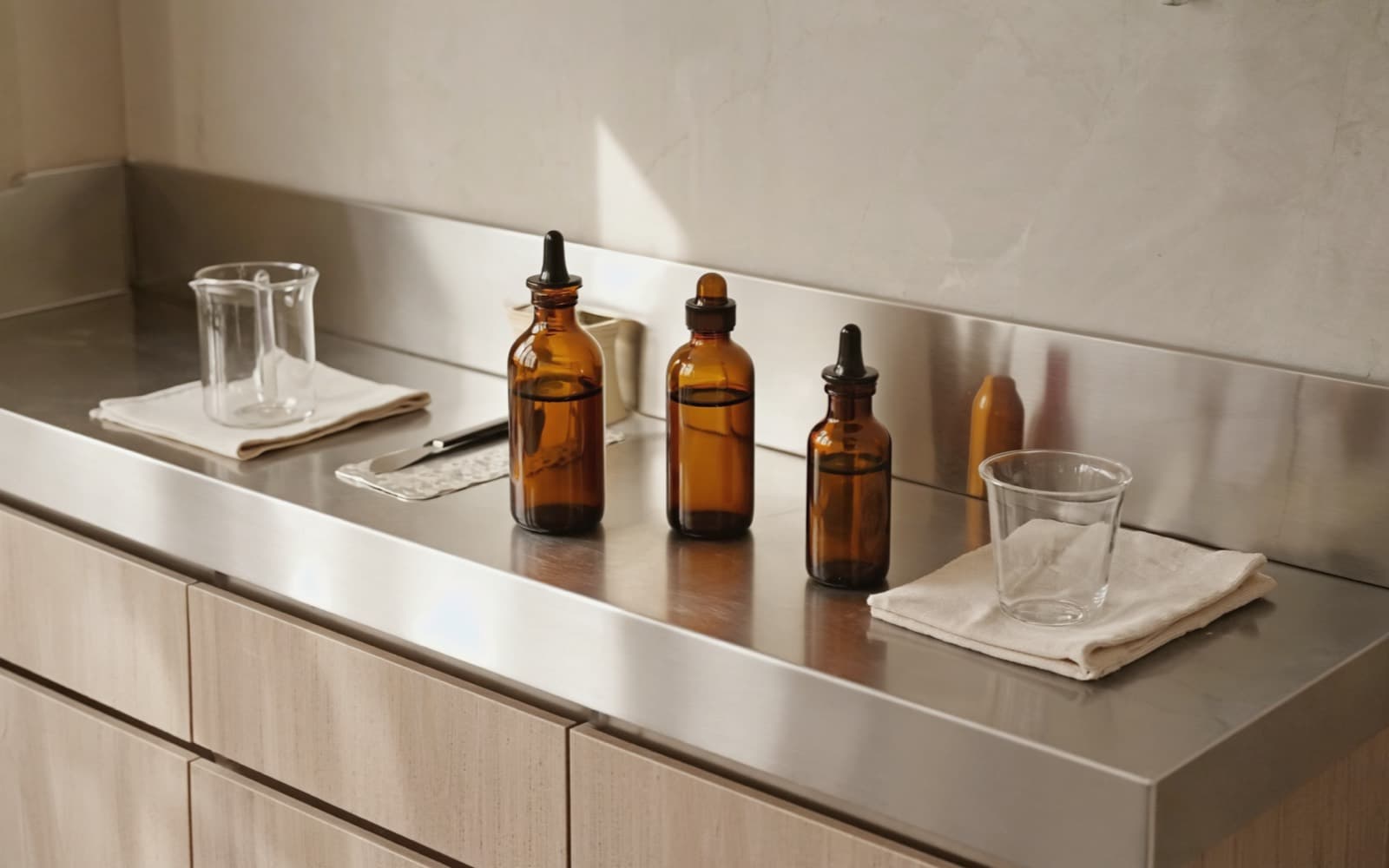
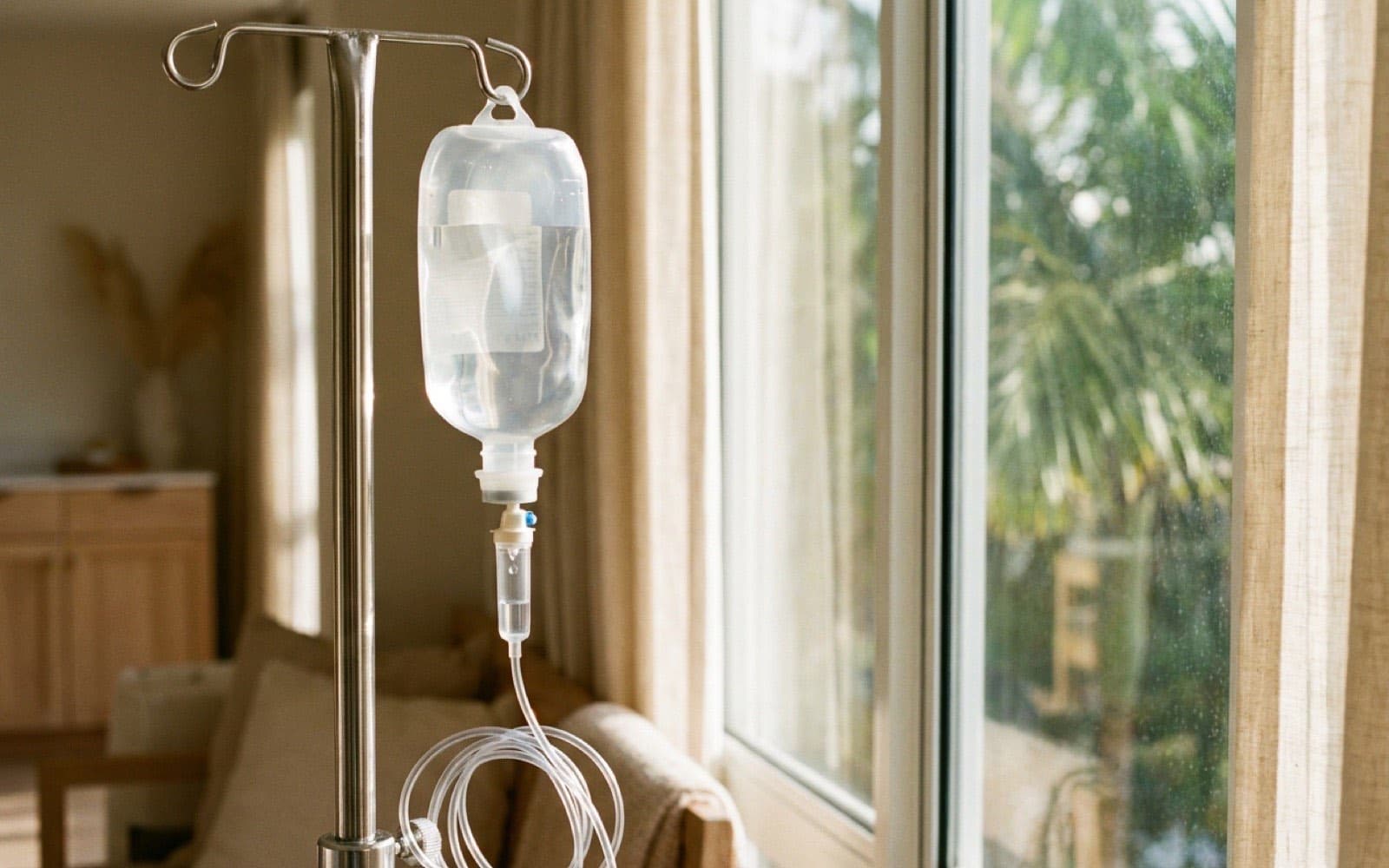
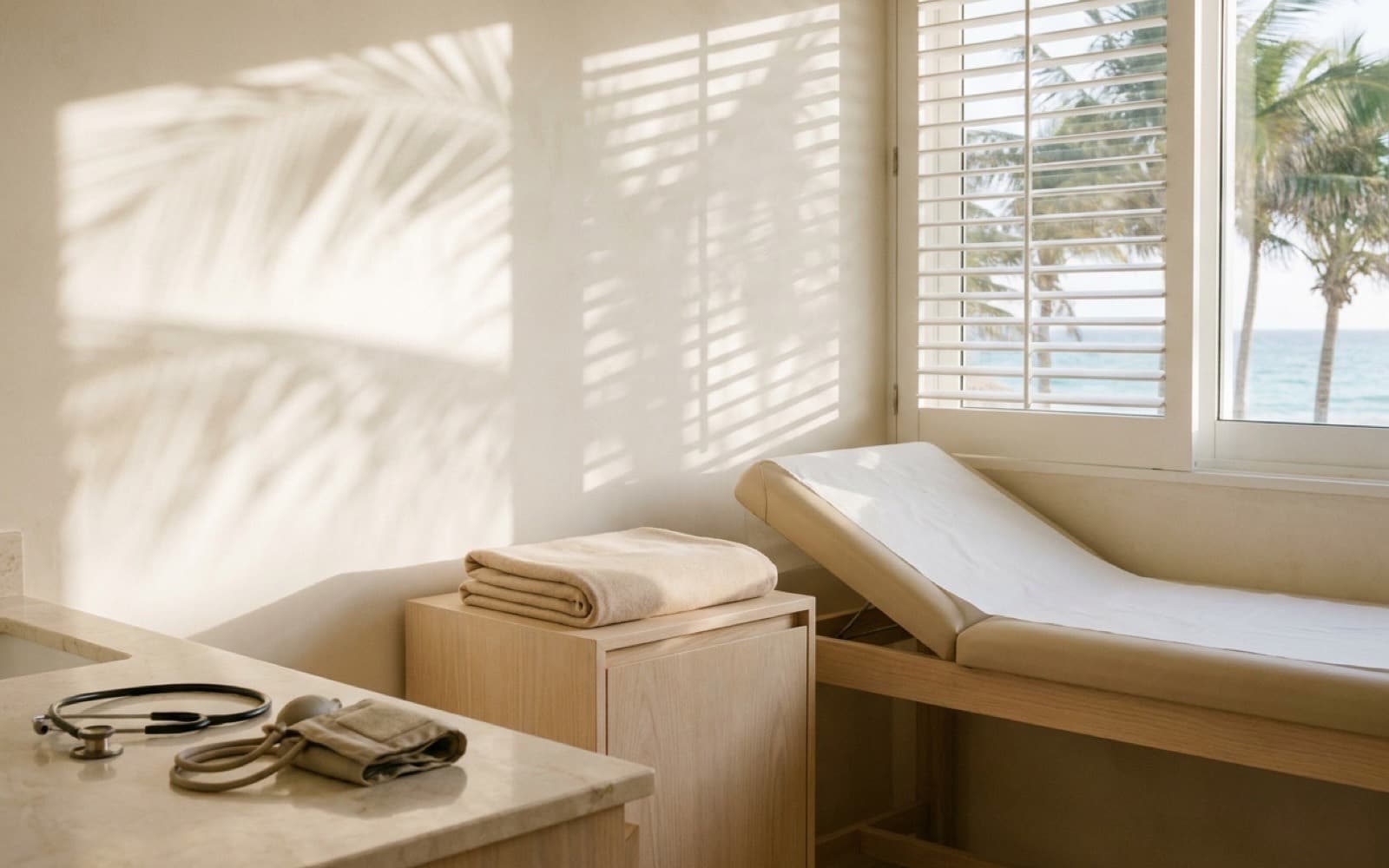
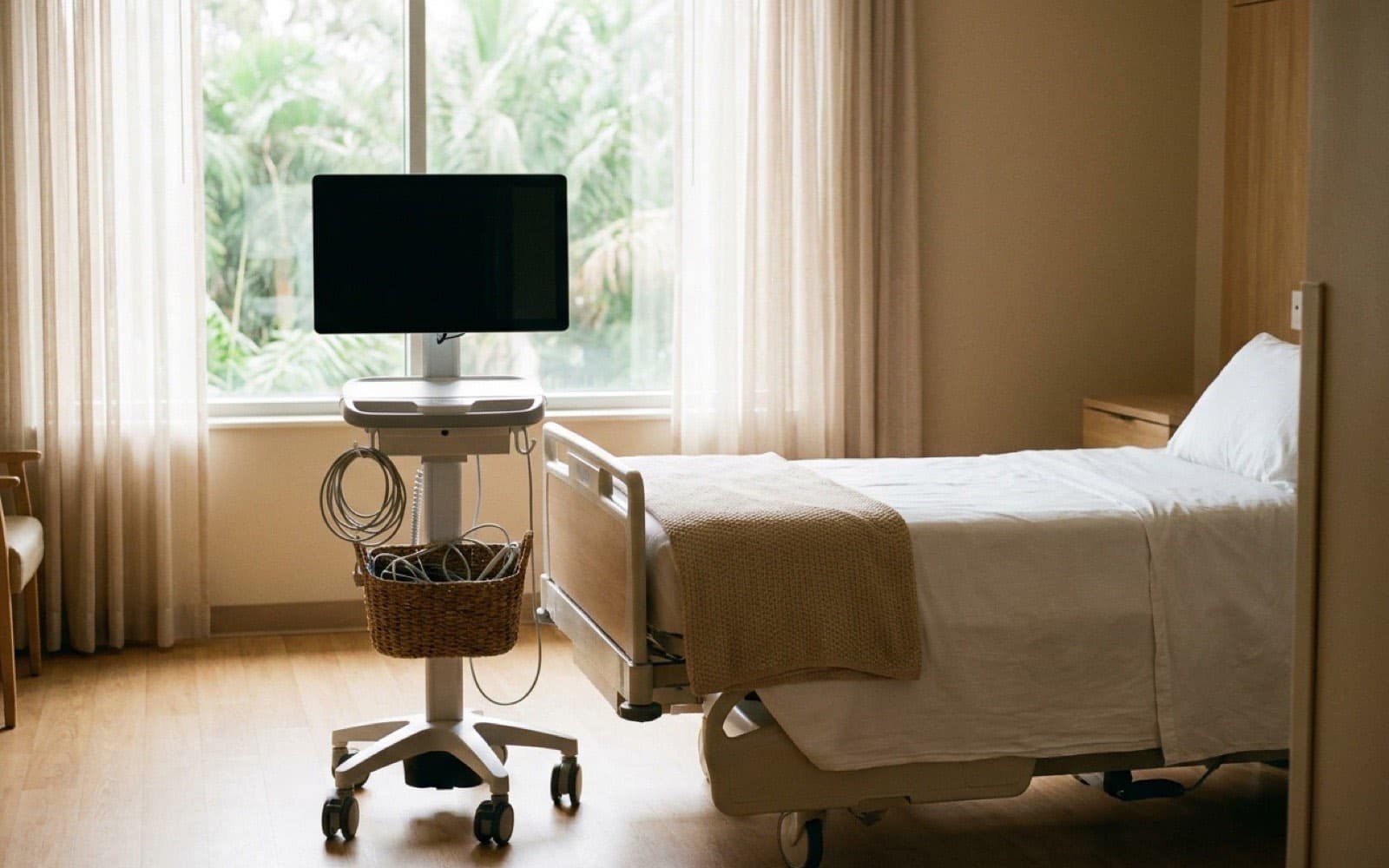
In our own ibogaine work, screening means baseline testing before anyone is accepted — a 12-lead ECG, electrolytes and a liver panel — with the explicit rule that a baseline outside safe limits stops the programme rather than triggering a workaround. It means a physician reviewing your full medication list against the compound's known interactions before you travel, not after you arrive. It means a physician and nurse present at the bedside through the active window, with continuous monitoring, emergency equipment on site and a standing transfer agreement with a nearby hospital. And it means integration support after the session, because the weeks afterward carry their own risks.
None of that is unique to one compound. The same architecture — screen, review, monitor, integrate — is what any serious program should be able to describe, whatever medicine it works with. Our ibogaine treatment near me pages walk through what that process looks like in practice for people evaluating options from a specific state.
What supervision is not: a facilitator who says they have sat with hundreds of people, a form you fill in on arrival, or a promise that the medicine will sort out whatever it finds. Experience in ceremony is a real and valuable thing. It is not a substitute for a clinician reading an ECG.
There is a useful test for any claim of medical oversight. Ask whether a physician has ever refused someone on the basis of a screening result, and what the finding was. A program that screens genuinely will have examples, because screening that never excludes anyone is not screening — it is paperwork. A program that has never turned anyone away has either been extraordinarily lucky with its applicants or is not reading the results it collects.
The same test applies to staffing. Ask what the clinician on site is qualified to do if someone's blood pressure spikes or a seizure occurs, rather than whether one is present. Presence is easy to claim. Capability is specific, and people who have it describe it in concrete terms without hesitating.
What to ask before you book anything, anywhere
Take these to any program, ours included, and pay attention to how readily they answer.
Who reviews my medical history, what are their credentials, and does that review happen before I pay? Ask for the role, not a reassurance.
What specifically disqualifies someone? A program that cannot name its exclusion criteria probably does not have any.
How is my medication list handled, and who coordinates a taper with my prescriber? The correct answer involves your own doctor, not a blanket instruction to stop.
Who is physically present during the session, and what is the emergency plan? You want to hear about staffing, equipment and the distance to the nearest hospital.
What happens in the weeks after? A single session with no integration plan is an event, not a course of care.
If the answers are vague, that vagueness is itself the answer. No one — including us — can promise you a particular outcome from any of this work, and any program that does is telling you something important about itself.
If you have been typing ayahuasca near me and getting results you cannot evaluate, the useful next step is a conversation with people who will ask you medical questions before they discuss anything else. The clinical team at MindScape Retreat reviews medication lists and medical history at no charge, and part of that review is telling some people honestly that this is not the right path for them. That conversation is worth having before you book anything, anywhere.
This article is educational and is not medical advice. Decisions about psychoactive compounds, prescription medications and tapers should be made with a qualified physician who knows your history. If you are in crisis in the United States, call or text 988.
Begin Your Journey
MindScape Retreat offers medically supervised ibogaine treatment in Cozumel, Mexico. Speak with our clinical team to learn if you are a candidate.