Mexico has emerged as a global leader in psychedelic therapy research and treatment delivery, offering accessible, evidence-based protocols that are revolutionizing mental health care. For patients seeking psychedelic therapy in Mexico, the country provides a unique combination of regulatory flexibility, world-class medical facilities, and pioneering therapeutic approaches—particularly ibogaine treatment, which has shown remarkable results for PTSD, trauma, and addiction recovery.
This comprehensive guide explores everything you need to know about pursuing psychedelic therapy in Mexico, including treatment options, costs, efficacy data, and how to evaluate legitimate treatment centers.
Why Mexico Has Become the Epicenter of Psychedelic Therapy
Psychedelic therapy in Mexico represents one of the most significant developments in mental health innovation over the past decade. Unlike many Western countries where regulatory barriers delay access to these transformative treatments, Mexico's regulatory environment allows licensed medical facilities to offer evidence-based psychedelic protocols under proper clinical supervision.
Mexico's advantages in psychedelic medicine extend beyond regulatory accessibility:
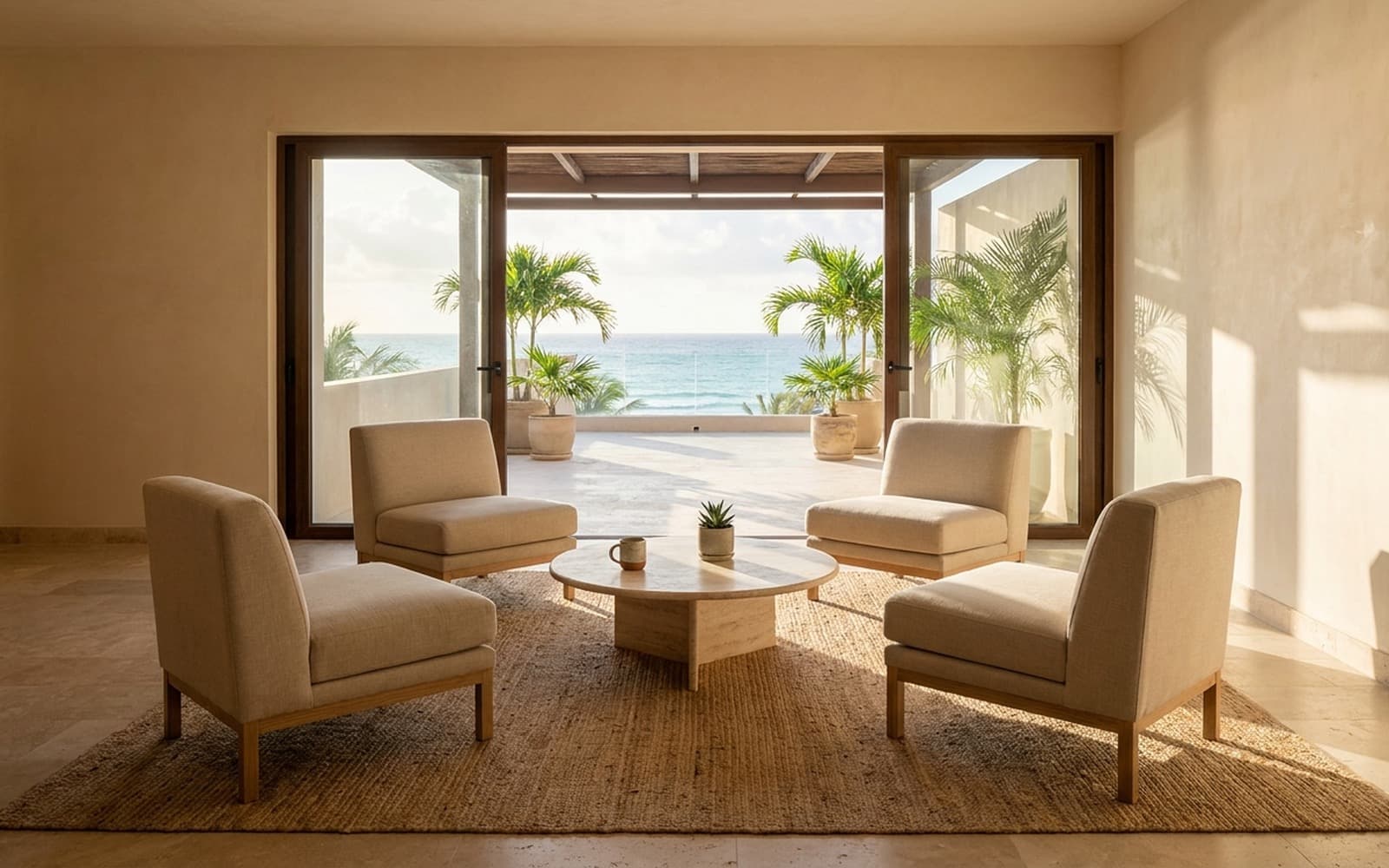
Medical Infrastructure: Modern facilities in tourist-friendly regions like Cozumel combine cutting-edge medical monitoring with comfortable, retreat-style settings. Patients benefit from intensive psychological support, medical screening, and 24-hour care protocols.
Clinical Expertise: Mexican clinics treating psychedelic therapy have developed sophisticated intake, preparation, and integration protocols. Many practitioners have trained in peer-reviewed methodologies and maintain rigorous safety standards.
Accessibility: Psychedelic therapy in Mexico costs significantly less than private clinics in the US or Europe, without compromising quality. Insurance may not cover these treatments, making Mexico's pricing structure a deciding factor for many patients.
Therapeutic Setting: The retreat model—combining medical care with supportive community, nutritional support, and integration counseling—enhances outcomes beyond what clinical-only settings achieve.
Ibogaine: The Cornerstone of Psychedelic Therapy in Mexico
Ibogaine stands as the most researched and clinically utilized psychedelic in Mexico's treatment landscape. Derived from the iboga plant native to West Africa, ibogaine has demonstrated profound utility in treating addiction, PTSD, and mood disorders.
How Ibogaine Works
Ibogaine operates through multiple neurochemical mechanisms that distinguish it from other psychedelics:
- NMDA Receptor Antagonism: Interrupts addiction pathways and resets reward circuitry
- Monoamine Modulation: Restores serotonin, dopamine, and norepinephrine balance
- Neuroplasticity Stimulation: Facilitates new neural pathway formation
- Visceral Processing: Induces profound emotional release and trauma processing
The treatment protocol typically involves a 7–10 day medically supervised retreat where patients receive a measured ibogaine dose followed by intensive psychological work, body-based therapies, and integration support.
Ibogaine Treatment Cost and Value
Ibogaine cost varies based on facility, location, and additional services, but typically ranges from $3,000 to $8,000 for a comprehensive treatment program in Mexico. This represents 60–75% savings compared to private clinics in the United States.
A quality psychedelic therapy program in Mexico includes:
- Medical screening and baseline assessment
- 24-hour medical monitoring during the experience
- Psychological preparation and set/setting optimization
- Integration counseling post-treatment
- Dietary support and complementary therapies
- Aftercare planning and follow-up support
Choosing based on ibogaine cost alone is inadvisable. The lowest-priced options may skimp on psychological support, medical monitoring, or integration—the components most critical to lasting outcomes.
Ibogaine for Specific Conditions
Ibogaine Treatment for PTSD and Trauma
Post-traumatic stress disorder represents one of ibogaine's most promising applications. Recent clinical observations suggest that ibogaine's neurochemical effects combined with the retreat's supportive environment facilitate profound trauma processing.
The mechanism appears to involve:
- Reduced amygdala hyperactivity (fear circuitry)
- Enhanced default mode network flexibility
- Facilitated emotional expression and processing
- Rewiring of trauma-associated neural networks
Many patients report that a single ibogaine experience produces symptom reduction equivalent to months or years of conventional therapy. Ibogaine for PTSD treatment at specialized centers combines medical pharmacology with trauma-informed psychology—addressing both the neurobiology and the psychological dimensions of trauma recovery.
Ibogaine and Parkinson's Disease
Emerging research suggests that ibogaine for Parkinson's disease may offer neuroprotective benefits. The mechanism is theorized to involve:
- Reduced neuroinflammation
- Enhanced dopaminergic function
- Neuroprotection through antioxidant pathways
- Potential halt or slowing of neurodegeneration
While preliminary, clinical case reports indicate symptom improvement in motor function, tremor reduction, and enhanced quality of life. These applications remain investigational, requiring consultation with specialized practitioners familiar with ibogaine's neurological effects.
Comparing Psychedelic Therapy Options
Ibogaine vs. Ketamine
Both ibogaine and ketamine represent evidence-based psychedelic approaches, but they differ fundamentally:
| Aspect | Ibogaine | Ketamine |
|---|---|---|
| Duration | 24-36 hours immersive | 1-2 hours per session |
| Mechanism | Multi-system neurochemical reset | NMDA antagonism + rapid antidepressant |
| Sessions Required | Typically 1-2 lifetime doses | 4-8+ weekly sessions |
| Intensity | Profound, whole-system processing | More controlled, incremental |
| Best For | Addiction, trauma, existential work | Depression, anxiety, rapid relief |
| Cost | $3,000-$8,000 per retreat | $300-$600 per session |
Neither is universally superior—the choice depends on your condition, timeline, and therapeutic goals.
Secondary Psychedelic Therapies Available in Mexico
Beyond ibogaine, psychedelic therapy in Mexico increasingly includes:
5-MeO-DMT and Bufo Alvarius: 5-MeO-DMT therapy represents the shortest and most intense psychedelic experience—complete experiences lasting 15–45 minutes. Many patients describe it as the most profound spiritual experience of their lives, with lasting benefits for existential anxiety, depressive disorders, and psychological flexibility.
Psilocybin Therapy: Though less legally accessible than ibogaine in Mexico, some retreat centers offer guided psilocybin experiences within therapeutic frameworks.
Finding Legitimate Psychedelic Therapy Centers in Mexico
Not all centers offering psychedelic therapy in Mexico maintain equivalent standards. When evaluating facilities:
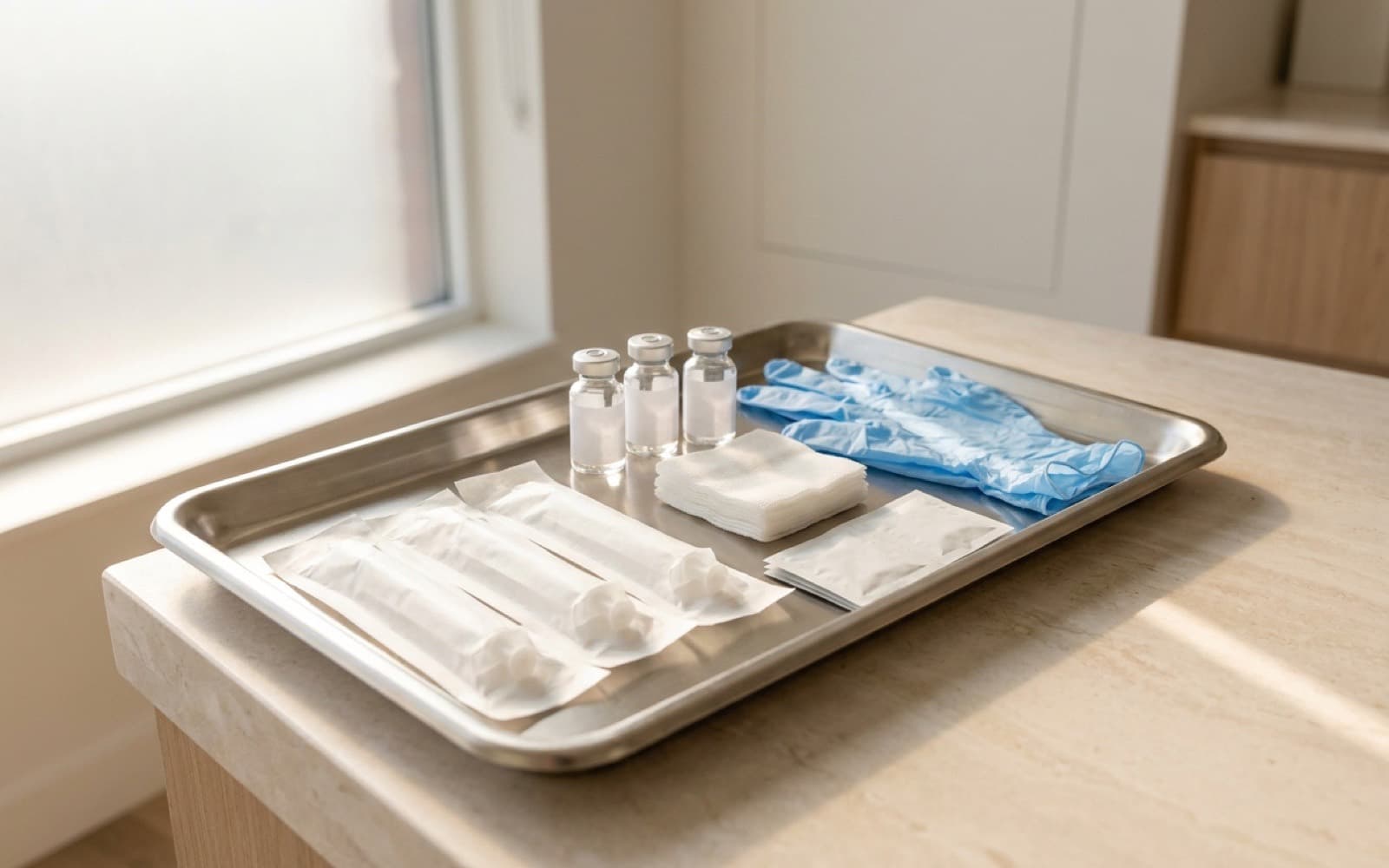
Medical Credentials: Verify that practitioners hold legitimate medical licenses and that facilities have proper cardiac monitoring, emergency protocols, and medical staff on-site.
Psychological Support: High-quality centers employ licensed therapists for preparation and integration—not just medical oversight.
Transparency: Legitimate centers provide detailed information about protocols, staff qualifications, and realistic outcome expectations. Excessive marketing claims or promises should raise concern.
Integration Focus: The 72 hours following an ibogaine experience are critical. Centers that deprioritize post-treatment integration often see poorer long-term outcomes.
Medical Screening: Quality programs conduct thorough cardiac assessments, psychiatric evaluations, and contraindication screening.
Ibogaine Treatment in Seattle and Other US Locations
While direct access to ibogaine treatment in Seattle or other US cities remains limited, this dynamic is shifting. Some private clinics now offer ketamine-assisted therapy legally, and certain academic medical centers are launching formal ibogaine trials.
For US residents seeking psychedelic therapy, Mexico remains the most accessible option offering comprehensive ibogaine protocols. Many patients travel to Mexico specifically for treatment, often framing it as a therapeutic retreat rather than a clinical intervention.
The Role of Set and Setting
Psychedelic therapy's effectiveness depends critically on set and setting—your mindset going in and the physical, social, and psychological environment surrounding treatment.
Set Preparation:
- Clear intention-setting before arrival
- Realistic expectations about the experience
- Readiness to engage with difficult emotions or memories
- Commitment to integration work post-experience
Setting Optimization:
- Comfortable, nature-aligned retreat environment
- Community of supportive peers
- Access to integration counselors
- Adequate time post-experience (minimum 3 days before travel)
- Skilled facilitators experienced in psychedelic navigation
Leading retreat centers invest heavily in optimizing both set and setting, understanding that these factors often determine outcomes as much as the medicine itself.
Integration: The Bridge to Lasting Change
Psychedelic therapy in Mexico is not a one-time experience—it's the beginning of a longer healing journey. Integration, the process of bringing insights and shifts into daily life, determines whether temporary neurochemical changes become permanent psychological growth.
Quality integration includes:
- Integration Sessions: Weekly therapy in the weeks and months following treatment
- Somatic Work: Body-based practices to anchor neurobiological changes
- Community: Ongoing connection with others on similar journeys
- Lifestyle Alignment: Practical changes supporting new neural patterns
- Accountability: Regular check-ins ensuring sustained progress
MindScape Retreat exemplifies the comprehensive approach, offering structured integration programming that extends six months post-retreat.
Medical Contraindications and Safety Considerations
Psychedelic therapy in Mexico requires rigorous medical screening. Absolute and relative contraindications include:
Cardiac Issues: Ibogaine carries cardiac risk (QT prolongation); baseline EKG and cardiac clearance are mandatory.
Psychiatric Conditions: Uncontrolled psychosis or untreated bipolar disorder may contraindicate ibogaine; qualified assessment is essential.
Medication Interactions: SSRIs, certain blood pressure medications, and other drugs create dangerous interactions.
Pregnancy: All classic psychedelics are contraindicated in pregnancy.
Legitimate centers conduct thorough medical histories, baseline cardiac assessment, and psychiatric evaluation before enrollment.
Cost Transparency: What to Expect
A realistic budget for psychedelic therapy in Mexico includes:
| Component | Typical Cost |
|---|---|
| Treatment retreat (7-10 days) | $3,000-$8,000 |
| Flight | $200-$500 |
| Travel and ground transport | $200-$400 |
| Pre-treatment medical screening | $300-$500 |
| Post-treatment integration (3-6 months) | $1,000-$3,000 |
| Total First-Year Investment | $4,700-$12,400 |
Many patients find this represents exceptional value compared to years of conventional therapy ($100-$300/week × 52 weeks) without breakthrough results.
Frequently Asked Questions About Psychedelic Therapy in Mexico
Q: Is psychedelic therapy in Mexico safe? A: When conducted at legitimate, medically-supervised facilities with proper screening, cardiac monitoring, and psychological support, psychedelic therapy carries manageable risks comparable to other psychiatric interventions. Choose centers with transparent protocols, qualified staff, and rigorous safety measures.
Q: How long do the effects of ibogaine last? A: Many patients report sustained symptom improvement for 1-2+ years following a single ibogaine experience. Some require a second experience; others benefit from supplementary therapies like ketamine or 5-MeO-DMT.
Q: Can I combine ibogaine with other treatments? A: Yes—integration programming, talk therapy, somatic work, and complementary approaches enhance outcomes. Some patients complete ibogaine retreats then follow with ketamine-assisted therapy or other psychedelic protocols as part of a comprehensive recovery plan.
Q: What should I expect during an ibogaine experience? A: Experiences vary widely. Typical journeys involve 12-24 hours of altered consciousness, perceptual shifts, emotional release, visceral visions, and profound introspection. Most patients report it as challenging but profoundly meaningful.
Q: Will my insurance cover psychedelic therapy in Mexico? A: Currently, no US insurance covers psychedelic therapies in Mexico. Some private international travel insurance may cover medical aspects. Discuss options with your insurance provider.
Q: How do I prepare mentally for psychedelic therapy? A: Establish clear intentions, engage in preparatory counseling, practice meditation or mindfulness, and cultivate realistic expectations. Mental preparation significantly influences the quality and therapeutic utility of the experience.
Q: What happens after the retreat ends? A: High-quality programs include comprehensive integration support: weekly therapy, somatic practices, community connection, and practical guidance for integrating insights into daily life. Integration is where most of the transformation occurs.
Choosing the Right Psychedelic Therapy Retreat
Your choice of facility will likely influence outcomes more than any other factor. Evaluate potential centers through these lenses:
- Practitioner Qualifications: Are medical doctors and therapists licensed in their fields?
- Protocol Transparency: Do they clearly explain their methodology and expected timeline?
- Integration Infrastructure: What post-retreat support do they provide?
- Medical Safety: What cardiac and psychiatric screening do they conduct?
- Community Reviews: Do independent sources (not just testimonials) reflect quality?
- Affordability Without Compromise: The cheapest option is rarely the best; find the sweet spot of quality and accessibility.
The Future of Psychedelic Therapy
Psychedelic therapy in Mexico represents a transitional moment in mental health—a bridge between today's regulatory constraints and tomorrow's mainstream acceptance. As US and European regulatory frameworks continue evolving, access will expand, but Mexico's role as a therapeutic destination will endure.
The convergence of neuroscience research, clinical data, and genuine patient outcomes continues building the case for psychedelics as legitimate psychiatric medicine. Early adopters seeking treatment today benefit from Mexico's leading-edge facilities and protocols while contributing to the growing evidence base supporting broader acceptance.
Conclusion: Psychedelic Therapy as a Pathway to Healing
Psychedelic therapy in Mexico represents a genuine option for treatment-resistant conditions, trauma, and existential suffering. When pursued through legitimate, medically-supervised facilities with comprehensive psychological support, these therapies offer remarkable potential for transformation.
The decision to pursue psychedelic therapy is deeply personal—weighing potential benefits against risks, costs against expected outcomes, and readiness for profound change. If conventional approaches have not delivered relief and you meet medical criteria, psychedelic therapy in Mexico may deserve consideration as part of a comprehensive healing strategy.
The most important next step is consultation with qualified practitioners who can assess your specific situation, explain realistic expectations, and guide you toward the approach—whether ibogaine, ketamine, or another modality—most aligned with your needs and readiness.
This content is educational and not medical advice. Always consult with qualified healthcare providers before pursuing any psychiatric treatment. Psychedelic therapies carry both benefits and risks; thorough medical and psychiatric evaluation is mandatory before participation.
Begin Your Journey
MindScape Retreat offers medically supervised ibogaine treatment in Cozumel, Mexico. Speak with our clinical team to learn if you are a candidate.