Most people searching for the ibogaine plant are not asking a botany question. They want to know whether the root bark sold on a forum is the same thing a medical program administers, and whether sourcing it themselves is a reasonable shortcut. The honest answer is that the plant and the purified compound share a name and very little else that matters clinically. They differ in potency, in consistency, in what else comes along in the powder, and above all in whether anyone can tell you how many milligrams you just swallowed.
That last point is not a technicality. Ibogaine is dosed by body weight, and the entire safety framework around it depends on knowing the dose. Understanding ibogaine plant material versus a purified, assayable extract is the difference between a protocol and a guess.
Why the Ibogaine Plant Is Not a Standardized Dose
Tabernanthe iboga is a shrub in the Apocynaceae family, native to the rainforest understory of West Central Africa, particularly Gabon and Cameroon. The root bark is the part traditionally used, and it has a long history in Bwiti spiritual practice that predates any Western clinical interest by generations.
Ibogaine is the most abundant and most studied alkaloid in that root bark, but it is not the only one. The bark also contains ibogamine, ibogaline, tabernanthine, and a range of related indole alkaloids in proportions that shift from plant to plant.
How much ibogaine any given sample holds depends on the age of the plant, which portion of the root it came from, growing conditions, and how the bark was dried and stored. Wild-harvested material carries no assay and no certificate. The dose you cannot measure is the dose you cannot control.
This is why weight-based dosing collapses when the input is raw bark. A protocol written as milligrams per kilogram of body weight is meaningless if the milligram figure is unknown by a factor that could run either direction. Two people taking the same number of grams from two different batches are not taking the same dose.
Traditional practice is sometimes offered as a counterargument — iboga has been used for a very long time without laboratory assays, so why insist on them now? The answer is that traditional use is not the same procedure. In Bwiti contexts, material is typically given in graded portions over an extended period by practitioners who have watched hundreds of people respond and who adjust as they go, within a community that knows what to expect.
A single large oral dose, taken alone, on the basis of a number from a vendor's website, is a different intervention with a different risk profile. It borrows the plant's reputation for safety without borrowing any of the practices that reputation was built on.
Root Bark, Total Alkaloid Extract, and Ibogaine HCl
In practice, three different materials get called "ibogaine," and conflating them causes real harm.
Raw or powdered root bark is the whole plant material. It contains the full alkaloid mixture at the lowest and most variable concentration, which means a meaningful dose requires swallowing a large volume of bitter plant matter — itself a problem when nausea and vomiting are expected effects.
Total alkaloid extract, usually shortened to TA, is a concentrated preparation of the iboga alkaloids rather than a single compound. Ibogaine makes up a large share of it, with the other iboga alkaloids still present. Reputable suppliers assay TA; informal sellers often do not.
Ibogaine hydrochloride, or ibogaine HCl, is the purified single compound. It can be tested for identity and purity, and it is the form that the published dosing and pharmacokinetic literature is built on. Some medical programs use TA and HCl in a staged sequence, but the quantities are known at every step.
Potency per gram differs substantially between these three, and the differences are not intuitive. Treating a TA dose as though it were root bark, or the reverse, is one of the more dangerous errors in this space.
If you are evaluating any supplier, the question to ask is narrow and revealing: can they produce a current third-party certificate of analysis identifying the compound and stating its purity, tied to the specific batch being sold? Vendors supplying clinical programs can. Online sellers usually cannot, and the ones who respond with photographs of root bark or appeals to authenticity have answered a different question than the one you asked.
There is also a supply detail worth knowing. Much of the ibogaine HCl in circulation today is not extracted from Tabernanthe iboga at all — it is semi-synthesized from voacangine, which is drawn from Voacanga africana, a related and far more plentiful tree. That route exists partly because wild iboga populations face genuine harvest pressure, and partly because it yields a more consistent product.
It also means material advertised as rare iboga root may be something else entirely, or may be adulterated with filler. Understanding how ibogaine works at the receptor level makes it clearer why substituting one alkaloid mixture for another is not a neutral swap.
Is the Ibogaine Plant Safer Because It Is Natural?
It is not, and the reason is specific rather than rhetorical. The risk that shapes every serious ibogaine protocol is cardiac. Ibogaine prolongs the QT interval, the window on an ECG that reflects how long the heart's ventricles take to reset electrically. A sufficiently prolonged QT interval can tip into torsade de pointes, a dangerous arrhythmia.
Reports of ibogaine-associated deaths cluster around a recognizable set of circumstances: unsupervised use, pre-existing heart disease, low potassium or magnesium, concurrent drug use, and interacting medications. Plant origin does not appear anywhere on that list as a protective factor.
Individual metabolism adds a second layer. Ibogaine is converted to noribogaine largely by the liver enzyme CYP2D6, and CYP2D6 activity varies genetically across the population. Two people given an identical, carefully measured milligram-per-kilogram dose can reach noticeably different blood levels and clear the compound at different rates.
Put those two facts together and the conclusion is uncomfortable for the self-sourcing route. Metabolic variation is something you inherit and cannot change. Dose precision is the one major variable that is controllable — and raw plant material is precisely the choice that gives it away.
There is a second, more mundane problem with bark. Nausea and vomiting are expected effects of ibogaine, and raw plant material means a far larger volume of bitter matter to keep down. Partial vomiting makes the delivered dose unknowable in a new way, and the fluid and electrolyte losses that follow push potassium and magnesium in exactly the wrong direction for someone whose QT interval is already lengthening.
In a monitored setting, that is a manageable complication — electrolytes are checked and corrected, and fluids are available. Alone, it is a feedback loop in which the most dangerous variable worsens unobserved.
What Medical Screening Adds That Plant Material Cannot
Screening is not paperwork. It is the part of the process that finds the people for whom ibogaine would be unsafe, and corrects the fixable problems in everyone else before a dose is ever given.
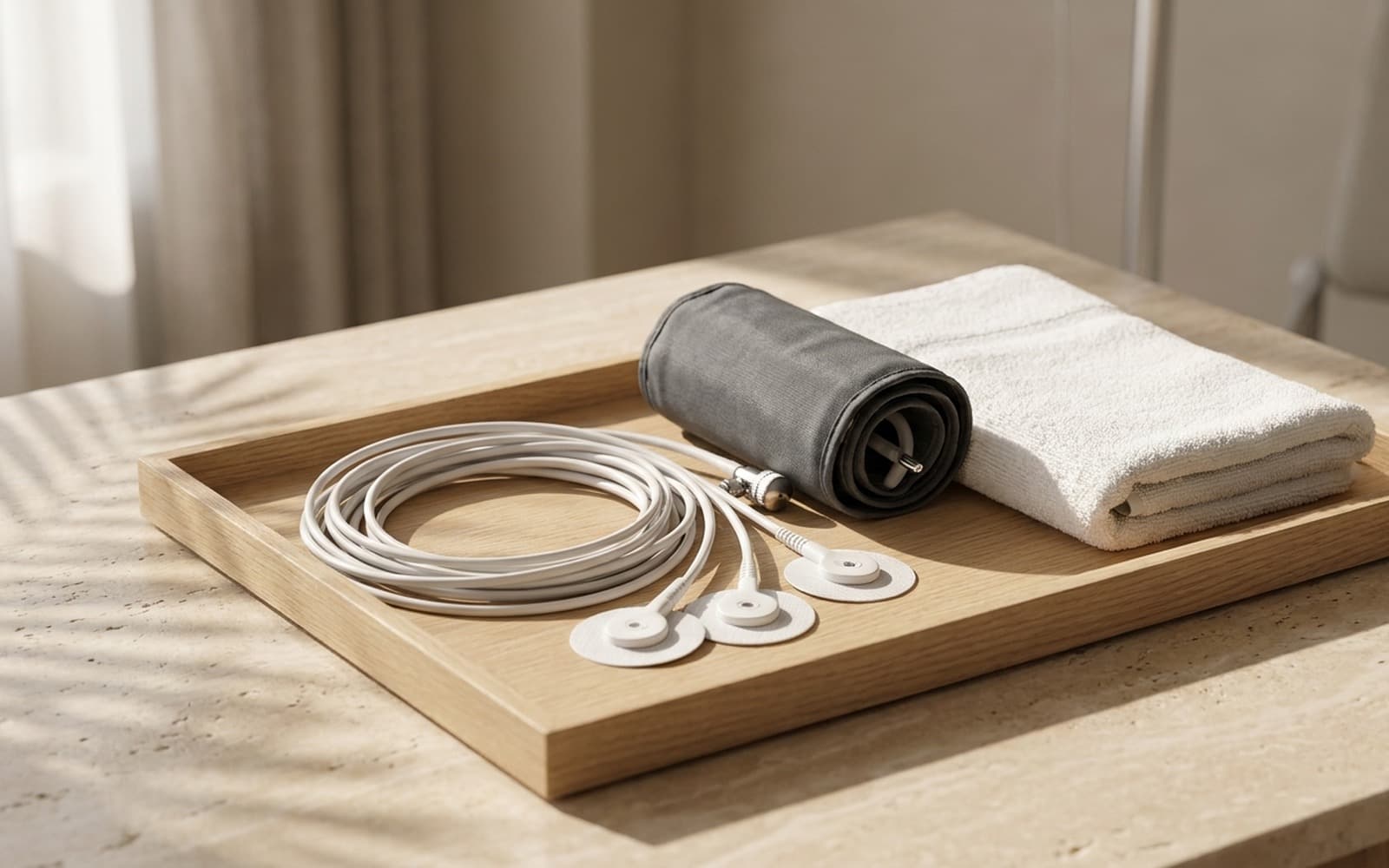
A thorough pre-treatment workup generally includes an ECG with a measured QT interval, bloodwork covering electrolytes and liver and kidney function, and a cardiac and family history. Low potassium or magnesium is corrected first, because treating someone with an electrolyte deficit removes the margin that the protocol depends on.
Medication review is equally structured. Serotonergic antidepressants such as SSRIs and SNRIs, other QT-prolonging prescriptions, and long-acting opioids like methadone and buprenorphine all require a physician-directed plan and timeline well before arrival. These are not decisions to improvise from a forum thread, and the right answer differs from person to person.
Timing is the part people underestimate most. Several common medications need weeks, not days, to clear on a tapering schedule a physician sets, and the appropriate window depends on the specific drug, the dose, and how long someone has taken it. Arriving still on a medication that should have been tapered usually means treatment is postponed, which is the correct outcome and a frustrating one if the trip was already booked.
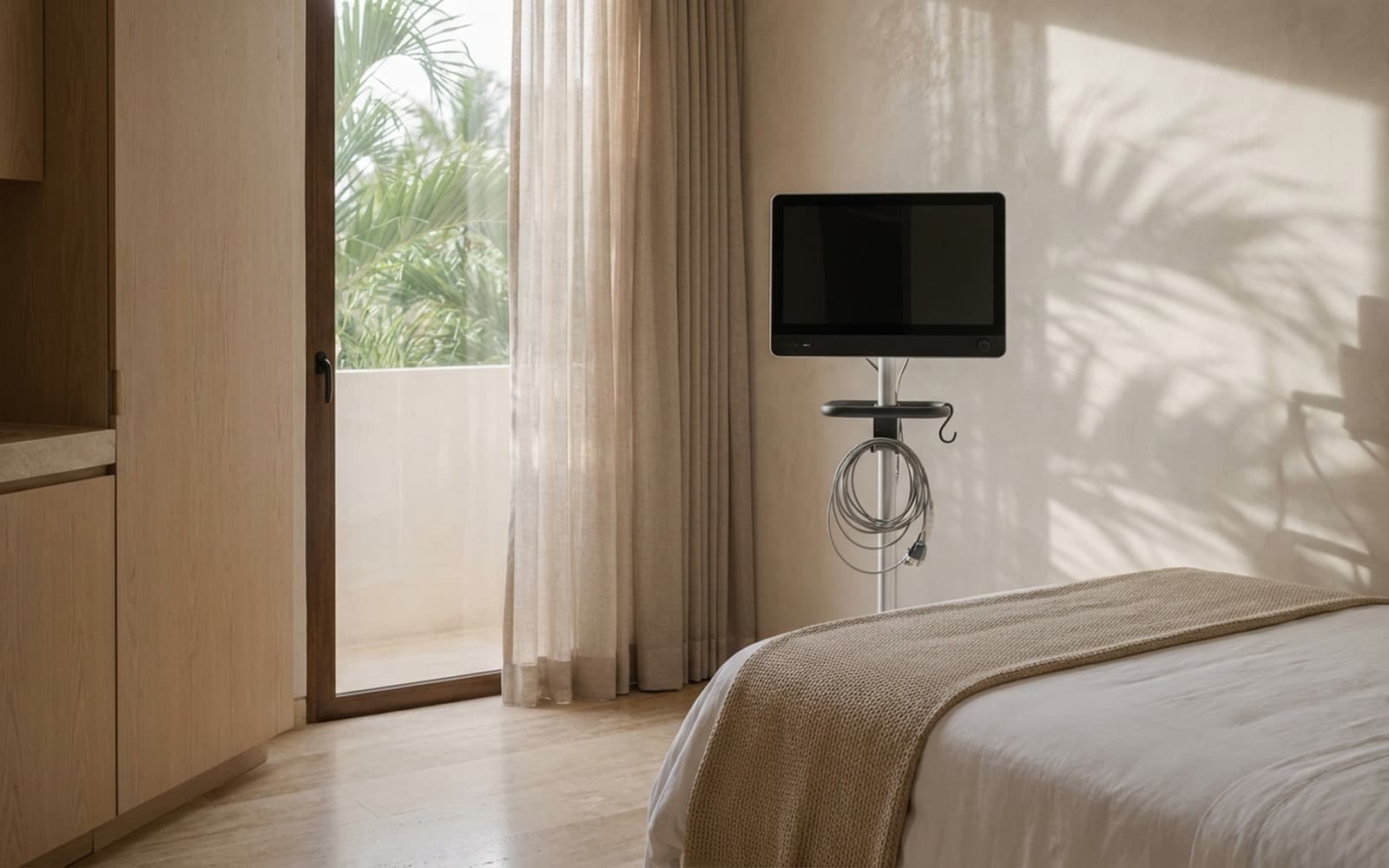
During the active period, supervised programs maintain continuous cardiac monitoring with staff and equipment positioned to intervene. That capability is the real distinction between a clinical setting and a bedroom, and no grade of plant material substitutes for it.
What comes afterward matters too. The weeks following treatment are when most of the durable work happens — sleep, nutrition, therapeutic support, and a concrete plan for the situations that preceded the problem. Plant material purchased online comes with none of that, and the absence of an aftercare structure is one of the clearest predictors of a poor result.
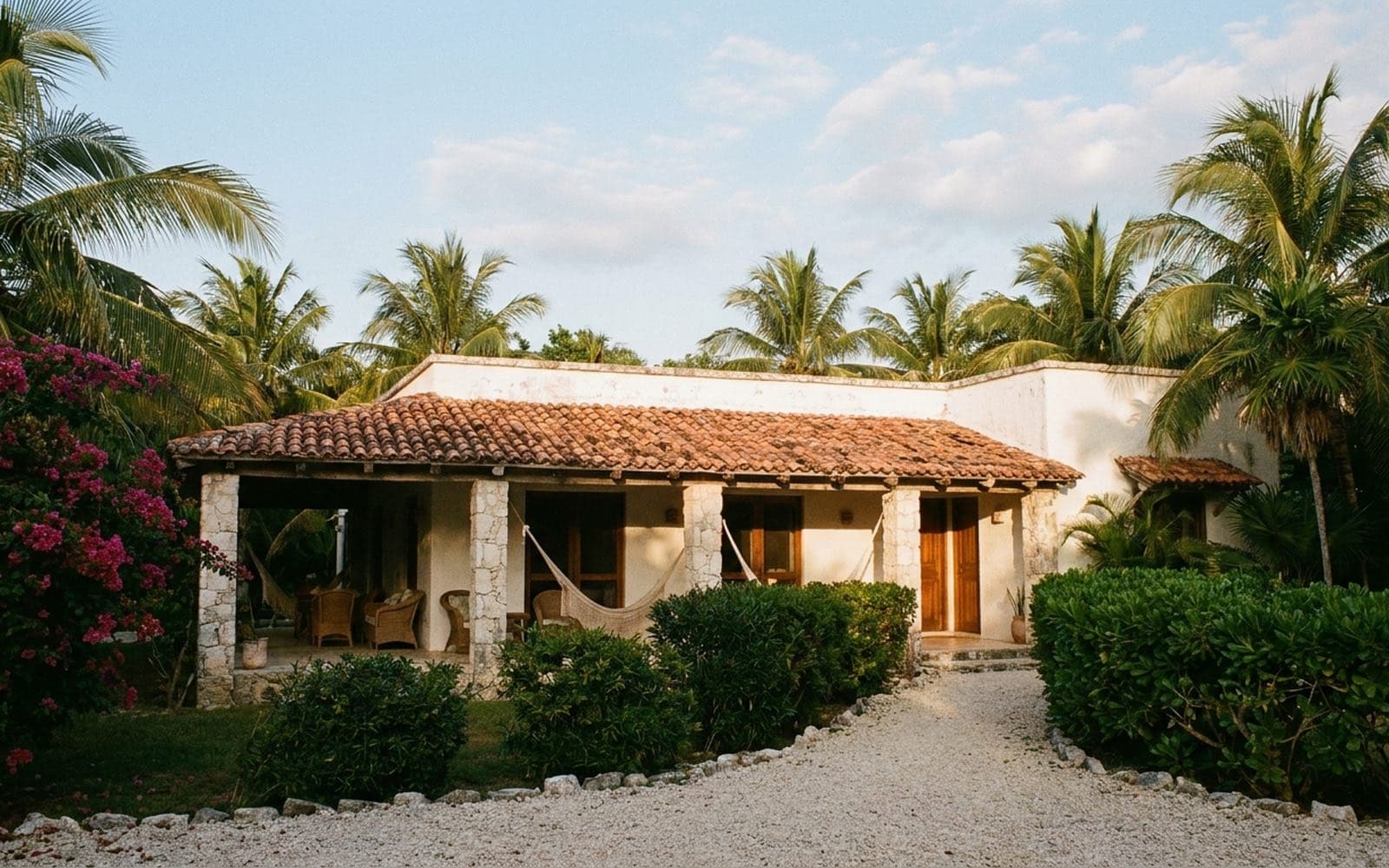
Legal status shapes where this is possible. Ibogaine remains a Schedule I substance in the United States. It is not a controlled substance in Mexico, which is why physician-supervised programs operate there — ours in Cozumel, within reach of most US departure cities.
Choosing a physician-supervised ibogaine treatment clinic means the dose, the screening, and the monitoring are all known quantities rather than assumptions. No program can promise an outcome, and anyone who does is telling you something about their standards rather than about ibogaine.
Talk to a Medical Team Before You Source Anything
If you are researching the ibogaine plant because treatment feels out of reach, start with a conversation rather than a purchase. The team at MindScape Retreat can walk you through screening requirements, medication timelines, and what is realistic in your situation, including whether ibogaine is an appropriate option for you at all. That assessment costs you nothing and is the step that makes every later decision safer.
This article is educational and is not medical advice. Ibogaine carries serious cardiac risks and requires medical screening and supervision. If you are in crisis in the United States, call or text 988.
Begin Your Journey
MindScape Retreat offers medically supervised ibogaine treatment in Cozumel, Mexico. Speak with our clinical team to learn if you are a candidate.