Why Cozumel?
World-Class Ibogaine Therapy, Accessible from the Carolinas
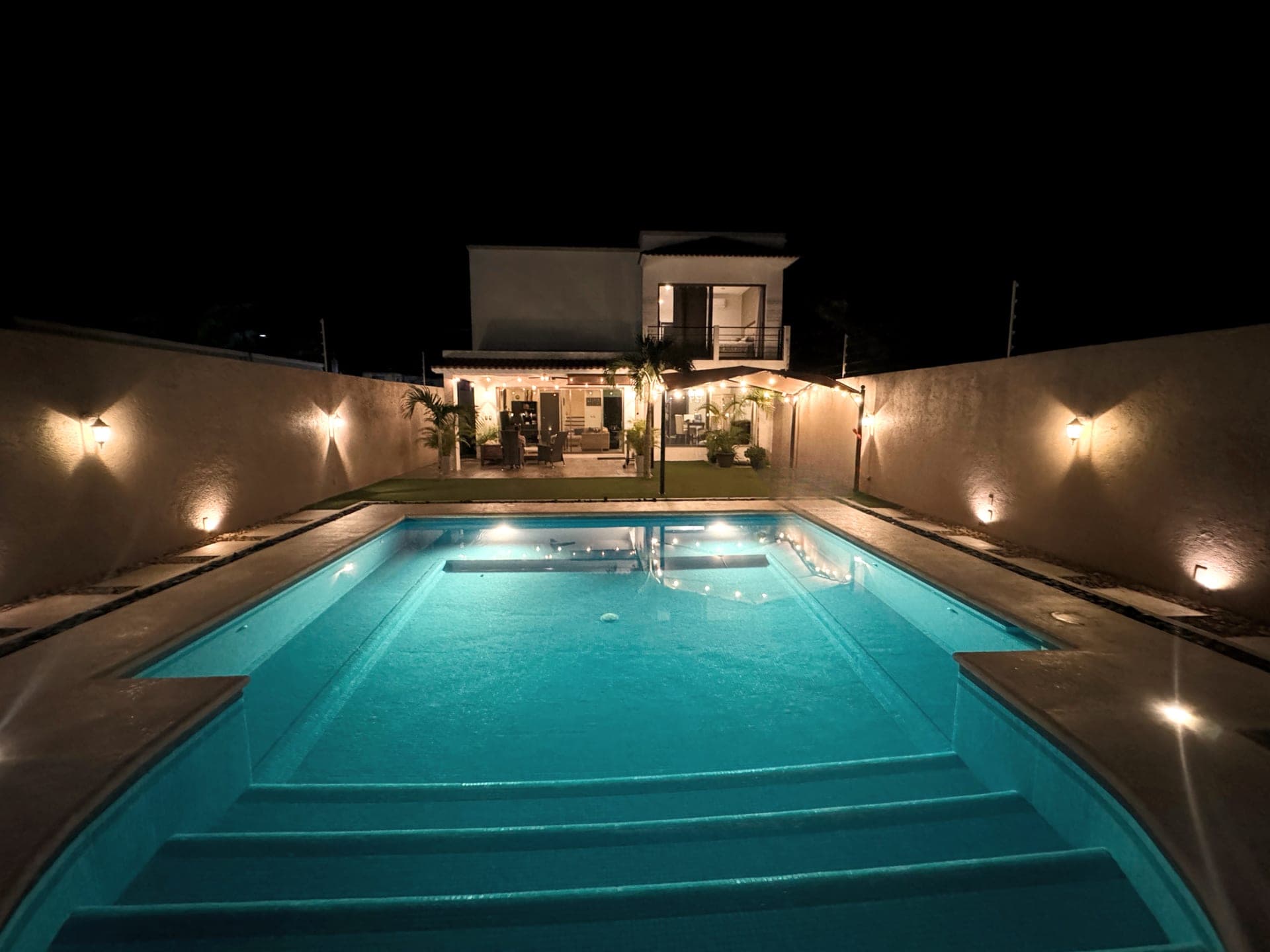
Ibogaine is not currently legal in the United States, including North Carolina. However, it is unscheduled and fully legal in Mexico, where licensed medical clinics operate under proper regulatory frameworks. MindScape Retreat, located on the island of Cozumel, is reachable via connecting flights from Charlotte Douglas International Airport (CLT) through Houston or Dallas, placing world-class treatment within 4 to 5 hours of North Carolina patients.
North Carolina has been deeply affected by the fentanyl crisis, particularly in rural Appalachian communities where synthetic opioids have devastated entire towns. At the same time, home to Fort Liberty (one of the largest military installations in the world) and Camp Lejeune, North Carolina has one of the nation's largest active and veteran military populations seeking alternatives for PTSD, TBI, and treatment-resistant depression. Cozumel's serene, safe island environment offers an ideal setting for the deep healing ibogaine facilitates.
New to researching treatment south of the border? Start with our complete guide to ibogaine treatment in Mexico: where it is legal, what supervised programs cost, and how to vet a clinic before you book anything.
Flights from Charlotte
Charlotte Douglas International (CLT) offers connections to Cozumel via Houston or Dallas, approximately 4 to 5 hours total travel time. We assist with all logistics.
Military Community Access
Fort Liberty and Camp Lejeune veterans seeking solutions for PTSD, TBI, and moral injury find ibogaine therapy a powerful complement to conventional care.
US-Trained Medical Staff
Our team includes US-experienced physicians and practitioners who understand American healthcare standards and the specific needs of military patients.
All-Inclusive Experience
Accommodation, meals, medical care, therapy, excursions, and 90 days of post-treatment integration support, all included in one transparent program.
Conditions We Treat
Comprehensive Treatment Programs
The North Carolina Crisis
Why North Carolina Residents Are Seeking Ibogaine Treatment Abroad
North Carolina has lost thousands of residents to drug overdose in recent years, with fentanyl involved in a large share of drug fatalities The crisis cuts across demographics, from Charlotte's urban neighborhoods to the small Appalachian communities of the western mountains where prescription opioid abuse first took root decades ago. Rural counties like McDowell, Wilkes, and Surry have some of the highest per-capita overdose rates in the nation, with limited access to treatment facilities and long wait times for the programs that do exist.
North Carolina is home to Fort Liberty (formerly Fort Bragg, one of the largest military installations in the world) and Camp Lejeune, a Marine Corps base with a long history of environmental health concerns. Together, these bases make North Carolina one of the most military-dense states in the country, with over 770,000 veterans. Many are struggling with combat-related PTSD, traumatic brain injury, and opioid dependency stemming from service injuries. VA treatment pathways have proven insufficient for a significant number of these veterans, leading many to explore ibogaine independently. MindScape has developed specific protocols for TBI and combat PTSD alongside substance dependency.
Conventional treatment options in North Carolina offer partial solutions that many patients have already exhausted multiple times: 30-day inpatient rehab ($20,000-$40,000), methadone clinics, and outpatient suboxone programs. Charlotte and Raleigh-Durham have relatively more treatment options, but rural Appalachian communities face severe treatment deserts. Ibogaine offers what repeated rehab cycles cannot: a single-session neurochemical reset that addresses addiction at its neurological source rather than managing symptoms indefinitely.
Frequently Asked Questions
Ibogaine Treatment for North Carolina Residents
How do I get from North Carolina to MindScape Retreat?
Charlotte Douglas International Airport (CLT) and Raleigh-Durham International (RDU) both offer connecting flights to Cozumel through Houston or Dallas. Total travel time is approximately 4 to 5 hours from Charlotte and 5 to 6 hours from Raleigh. We coordinate all ground transfers from the moment you land in Cozumel, including ferry arrangements from Playa del Carmen.
Is ibogaine legal for North Carolina residents to travel for?
Yes. While ibogaine is classified as a Schedule I substance in the United States and cannot be administered domestically, there is no legal prohibition on US citizens traveling to countries where ibogaine treatment is legal and regulated. Mexico permits ibogaine use in clinical settings, and MindScape operates with full Mexican medical licensing. Thousands of Americans travel internationally for ibogaine treatment each year.
Do you have experience treating military veterans?
Yes. North Carolina has one of the largest military populations in the country, with Fort Liberty and Camp Lejeune service members and veterans representing a significant portion of our patient base. Our medical team has extensive experience adapting ibogaine protocols for combat-related PTSD, traumatic brain injury, and opioid dependency from service injuries. Several veteran advocacy organizations can provide guidance on funding options for ibogaine treatment.
What does ibogaine treatment cost compared to North Carolina rehab?
MindScape's all-inclusive program ranges from $7,500 to $15,500, covering accommodation, meals, medical supervision, ibogaine treatment, NAD+ infusions, and 90-day integration support. By comparison, a 30-day inpatient rehab in Charlotte or Raleigh typically costs $20,000 to $40,000, and relapse rates after traditional rehab exceed 60%. Many North Carolina patients find that ibogaine's one-time cost delivers substantially better long-term outcomes.
Do you treat fentanyl addiction specifically?
Yes. Fentanyl addiction requires specialized medical protocols due to the drug's extreme potency and the severity of withdrawal it produces. Our medical team has extensive experience with fentanyl-dependent patients, including many from North Carolina where synthetic opioids now drive the majority of overdose deaths. The neurochemical reset that ibogaine provides is particularly relevant for fentanyl addiction, where conventional treatments often provide inadequate craving suppression.
Can I use my North Carolina health insurance?
Ibogaine treatment is not covered by US health insurance, including North Carolina Blue Cross Blue Shield and other private plans. However, many patients fund treatment through HSA/FSA accounts, personal savings, family support, or payment plans. Given that a single ibogaine treatment often eliminates the need for ongoing medication and therapy costs, many patients view it as a more cost-effective long-term investment than years of conventional treatment.
Safety & Technology
What actually happens to keep a patient from North Carolina safe
Travelling abroad for a Schedule I medicine is a serious decision, and the honest way to earn it is to show the machinery rather than describe it. Tap through what happens, in order.
Cardiac screening is the gate, not a formality
Ibogaine affects the heart's electrical rhythm, so a 12-lead EKG and bloodwork come before anything else. Your QT interval has to sit inside a safe range at baseline, and if it does not, we say so.
The safe ceiling is not one number. It depends on your sex and on the rest of your cardiac picture, and our physicians read it against you rather than a chart. Programs are refused on this basis. That is the point of a gate.
Meet Q
Your care continues on your phone in North Carolina
Q is the clinical assistant built into your patient portal. You talk to it instead of filling in forms, it keeps a short written memory of each session that you sign off on, and it carries your own words into your preparation and aftercare. Validated clinical instruments live in the same place, so progress is measured rather than remembered.
AI in the medical loop
Decision support, never a replacement
Our medical team uses AI-assisted tools for cardiac safety review, including QT-interval analysis and medication-interaction screening against the drugs you actually take, plus around-the-clock monitoring workflows during treatment. Every clinical decision is made by a physician. The job of the software is to make sure nothing is missed.
Ready to Begin?
Contact our medical team for a confidential, no-obligation consultation. Our programs are all-inclusive from $7,500, with a full transparent breakdown in the ibogaine cost guide. We'll answer every question and help you understand if ibogaine therapy is right for you.