Every week, people from the United States, Canada, and Europe travel to Mexico for ibogaine treatment. Some are trying to break free from opioids, fentanyl, or alcohol after years of failed attempts with conventional rehab. Others are veterans and trauma survivors seeking relief from PTSD and depression that hasn't responded to standard care. What they share is a decision that deserves careful research: choosing the right ibogaine retreat in Mexico.
The difference between programs is not cosmetic. Ibogaine is a powerful psychoactive medicine with real cardiac considerations, and the gap between a physician-supervised clinic and an unsupervised guesthouse operation is the single most important factor in both safety and outcomes. This guide walks through exactly what to look for, what to avoid, and what a properly run ibogaine retreat in Mexico should offer at every stage of treatment.
Why Mexico Became the Center of Ibogaine Treatment
Ibogaine remains a Schedule I substance in the United States, which means even physicians who believe in its potential cannot legally administer it there. Mexico takes a different approach: ibogaine is unregulated rather than prohibited, allowing licensed medical professionals to provide treatment openly in clinical settings.
This legal environment has made Mexico the global hub for ibogaine therapy. The best ibogaine treatment centers in Mexico now operate with standards that rival or exceed private hospitals — cardiac monitoring, on-site emergency medicine physicians, pre-treatment laboratory workups, and structured aftercare. Research momentum supports this trend: Stanford's observational study of special operations veterans reported dramatic reductions in PTSD, depression, and anxiety symptoms after magnesium-ibogaine treatment in Mexico, and Texas has committed $50 million to ibogaine clinical research.
But the same open legal environment that allows excellent clinics to operate also allows poorly run ones. Mexico has no ibogaine-specific licensing body, which means the burden of due diligence falls on you.
The Medical Screening Standard: Where Safety Begins
The first and most reliable signal of quality in any ibogaine clinic in Mexico is what happens before you're accepted as a patient. Ibogaine prolongs the QT interval of the heartbeat, which is why cardiac screening is not optional — it is the foundation of safe treatment.
A legitimate medical program will require, at minimum:
- A 12-lead EKG reviewed by a physician before you travel, and repeated on-site before dosing
- Comprehensive blood work, including liver function, electrolytes (especially potassium and magnesium), and a metabolic panel
- A complete medication review, since SSRIs, methadone, and many common prescriptions interact with ibogaine and require structured tapering timelines
- A detailed health history, covering cardiac events, seizure history, and psychiatric background
If a retreat is willing to accept you without an EKG, or tells you screening happens "when you arrive" with no pre-travel review, that is a red flag serious enough to end the conversation. Reputable providers decline candidates whose screening reveals disqualifying risk — a program that never says no is not screening at all. Our guide to choosing an ibogaine treatment clinic covers the full safety checklist in detail.
What Physician-Supervised Treatment Actually Looks Like
Marketing language is cheap. Nearly every ibogaine retreat in Mexico describes itself as "medically supervised." Here's what that phrase should actually mean in practice:
Continuous cardiac monitoring during treatment
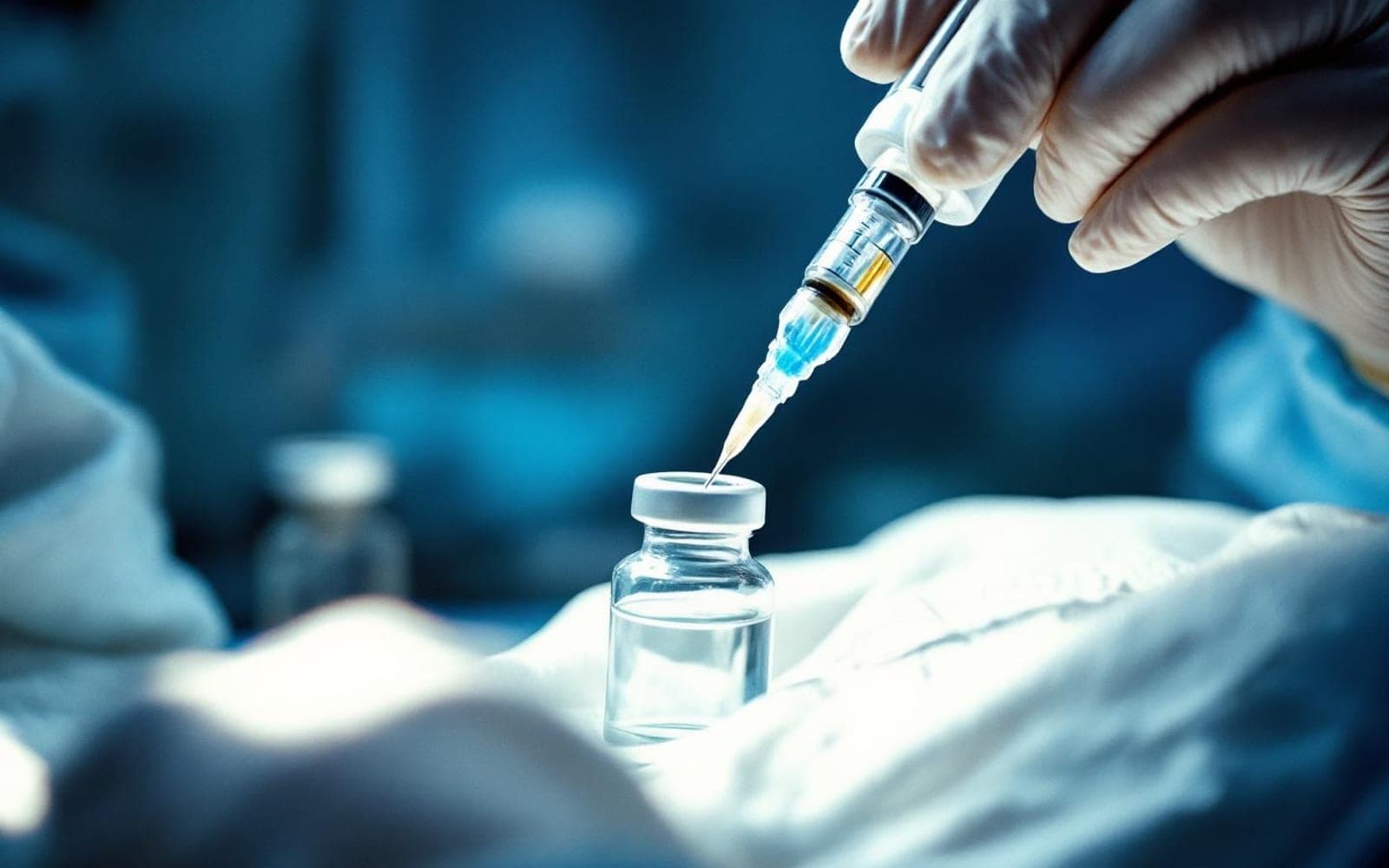
During the flood dose — the full therapeutic dose of ibogaine — you should be connected to continuous EKG monitoring with a medical professional physically present, not on call. The critical window extends for many hours after administration, because ibogaine's cardiac effects persist as the medicine is metabolized into noribogaine.
Emergency protocols and equipment on-site
Ask directly: Is there a crash cart? Is there ACLS-trained staff on every shift? What is the plan and transport time if a cardiac event occurs? A professional clinic answers these questions immediately and specifically. An amateur operation gets vague.
Physician-managed dosing
Dosing should be calculated by body weight, adjusted for your screening results, and administered under medical direction. Progressive dosing protocols — using total alkaloid (TA) extract alongside ibogaine HCL — allow the medical team to assess your response before the full flood dose, adding a meaningful layer of safety. You can read more about how progressive dosing with TA and HCL improves both safety and outcomes.
Pre-treatment stabilization
For patients coming off opioids — especially fentanyl or long-acting medications like methadone — a proper clinic manages the transition to short-acting opioids before treatment. This step is medically necessary and cannot be safely improvised.
Retreat Setting vs. Clinical Setting: You Shouldn't Have to Choose
One persistent misconception is that patients must pick between medical rigor and a healing environment — either a sterile clinic or a beautiful retreat with no medical infrastructure.
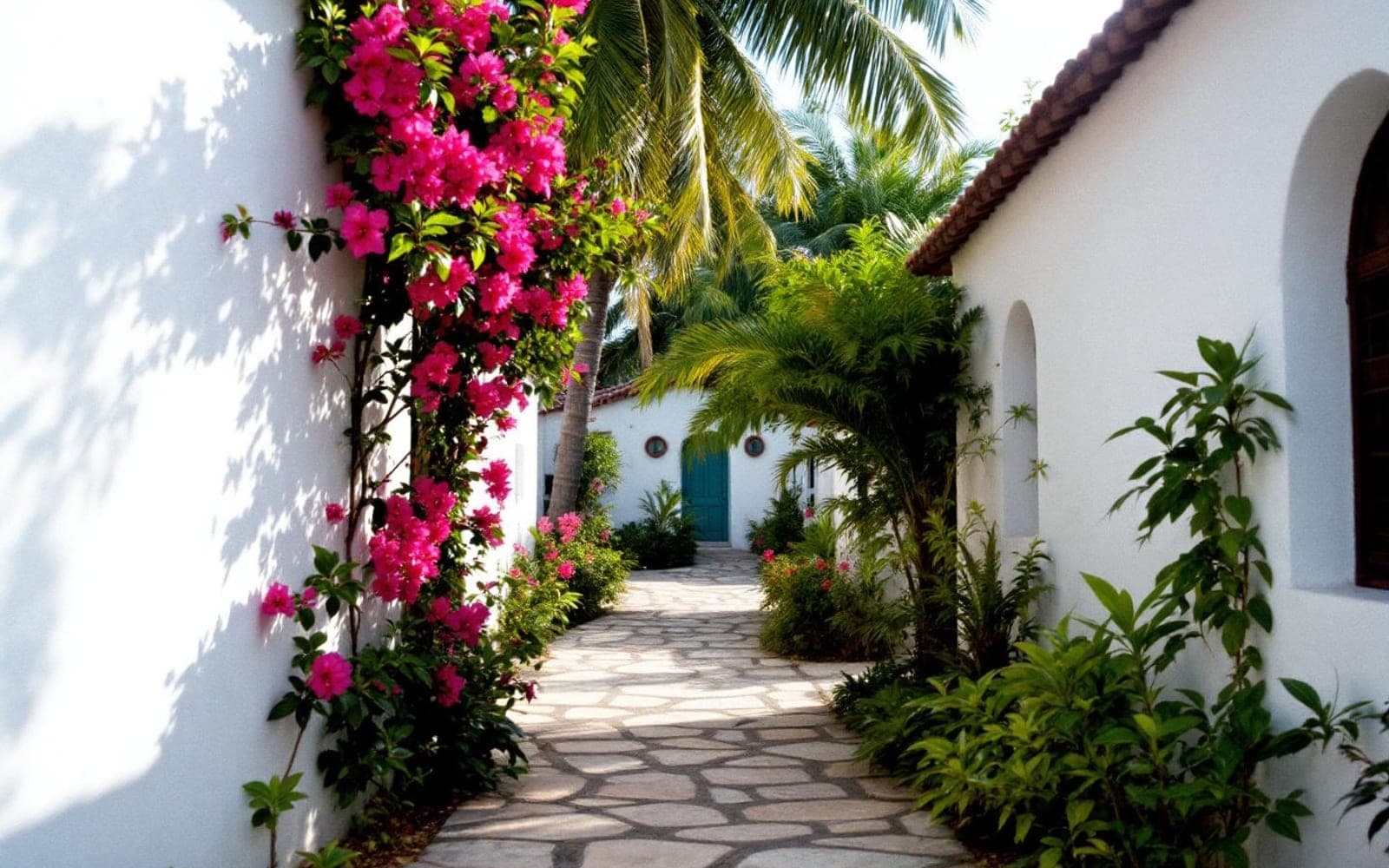
The best ibogaine treatment centers in Mexico combine both. There are genuine therapeutic reasons for this: ibogaine treatment is physically and psychologically demanding, and recovery unfolds over days, not hours. A calm oceanside setting, private rooms, nourishing food, and unhurried integration time are not luxuries — they directly support the neuroplastic window that ibogaine opens.
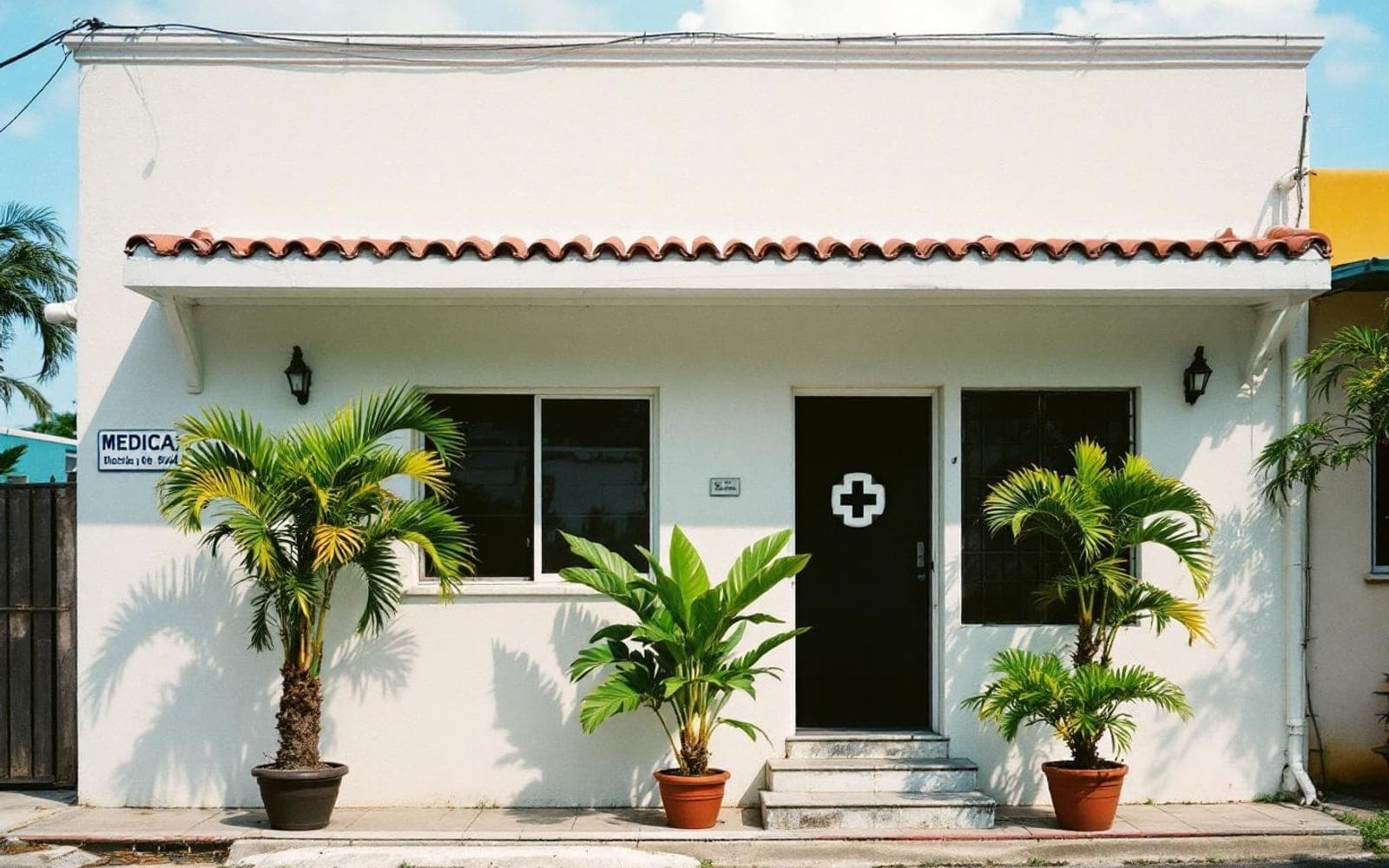
At MindScape Retreat in Cozumel, treatment takes place in a retreat environment built on top of full medical infrastructure: physician oversight, cardiac monitoring, and emergency readiness, surrounded by the Caribbean rather than hospital corridors. The question to ask any program is not "clinic or retreat?" but "do you have both?"
Questions to Ask Before Booking Any Ibogaine Retreat in Mexico
Use this list verbatim when you contact programs. The quality of the answers will tell you almost everything:
- Who is your medical director, and what are their credentials? You want a named physician, not "our medical team."
- What screening do you require before accepting a patient? Listen for EKG, blood work, and medication review — before travel.
- What monitoring is in place during dosing? Continuous EKG with staff present is the standard.
- How do you handle patients on methadone, Suboxone, or SSRIs? The answer should involve specific tapering and stabilization timelines, not "it's fine."
- What happens in a medical emergency? Specific equipment, specific training, specific hospital transport plan.
- What does aftercare look like? Integration support, follow-up contact, and a discharge plan — not a taxi to the airport.
- Have you ever declined a patient for medical reasons? The right answer is yes, regularly.
Any hesitation, defensiveness, or vagueness on these questions is your answer.
What Treatment Actually Costs — and Why the Cheapest Option Is Expensive
Legitimate ibogaine treatment in Mexico typically ranges from roughly $7,000 to $15,000+ depending on program length, medical intensity, and accommodations. That price reflects real costs: physician time, nursing coverage, cardiac equipment, laboratory work, pharmaceutical-grade ibogaine, and multi-day residential care.
When a program advertises flood-dose treatment for $2,000–$3,000, something on that list is missing — and it's usually the medical infrastructure. Bargain pricing in this field is not a deal; it's a transfer of risk onto the patient. For a full breakdown of what drives pricing and what should be included, see our ibogaine treatment cost and pricing guide.
What to Expect From the Experience Itself
A well-run program follows a predictable arc:
Days 1–2: Arrival and preparation. On-site medical evaluation, repeat EKG, stabilization if needed, and preparation sessions with the care team. This is also when trust is built — you should feel informed, not processed.
Treatment day: The flood dose. After administration, the acute visionary phase typically lasts 4–8 hours, followed by a long introspective processing phase. You remain under continuous monitoring throughout. Many patients dependent on opioids report that withdrawal symptoms are dramatically reduced or absent when they emerge — one of ibogaine's most clinically remarkable effects.
Days after: The gray day and integration. The day after treatment is often physically drained and emotionally raw — this is normal and temporary. What follows is the window that makes ibogaine unique: a period of heightened neuroplasticity lasting weeks, during which the brain is unusually receptive to new patterns. Structured integration during this window is where lasting change is built.
Aftercare: The Difference Between an Experience and an Outcome
Ibogaine is best understood as an interrupter, not a cure. It can reset opioid tolerance, silence withdrawal, and grant profound psychological insight — but what happens in the 90 days after treatment determines whether those gains hold.
Before booking any ibogaine retreat in Mexico, ask what the program provides after you leave: follow-up calls, integration coaching, referrals to therapists familiar with psychedelic medicine, and guidance for family members. Programs that treat discharge as the end of their responsibility are selling an event. Programs that plan your first months home are providing treatment.
The Bottom Line
Mexico offers something the United States currently cannot: legal access to one of the most promising treatments in existence for opioid dependence, trauma, and treatment-resistant mental health conditions. But legal access is only valuable when paired with medical rigor.
Screen every program the way a cardiologist would. Demand pre-travel EKG review, physician-led dosing, continuous monitoring, honest answers, and structured aftercare. The right ibogaine treatment program in Mexico will welcome that scrutiny — because it built its entire model to pass it.
If you're evaluating options and want to talk through your medical history, medications, and goals with a clinical team, contact MindScape Retreat for a confidential consultation. The first step in treatment isn't booking a flight — it's a conversation about whether ibogaine is right for you.
Begin Your Journey
MindScape Retreat offers medically supervised ibogaine treatment in Cozumel, Mexico. Speak with our clinical team to learn if you are a candidate.