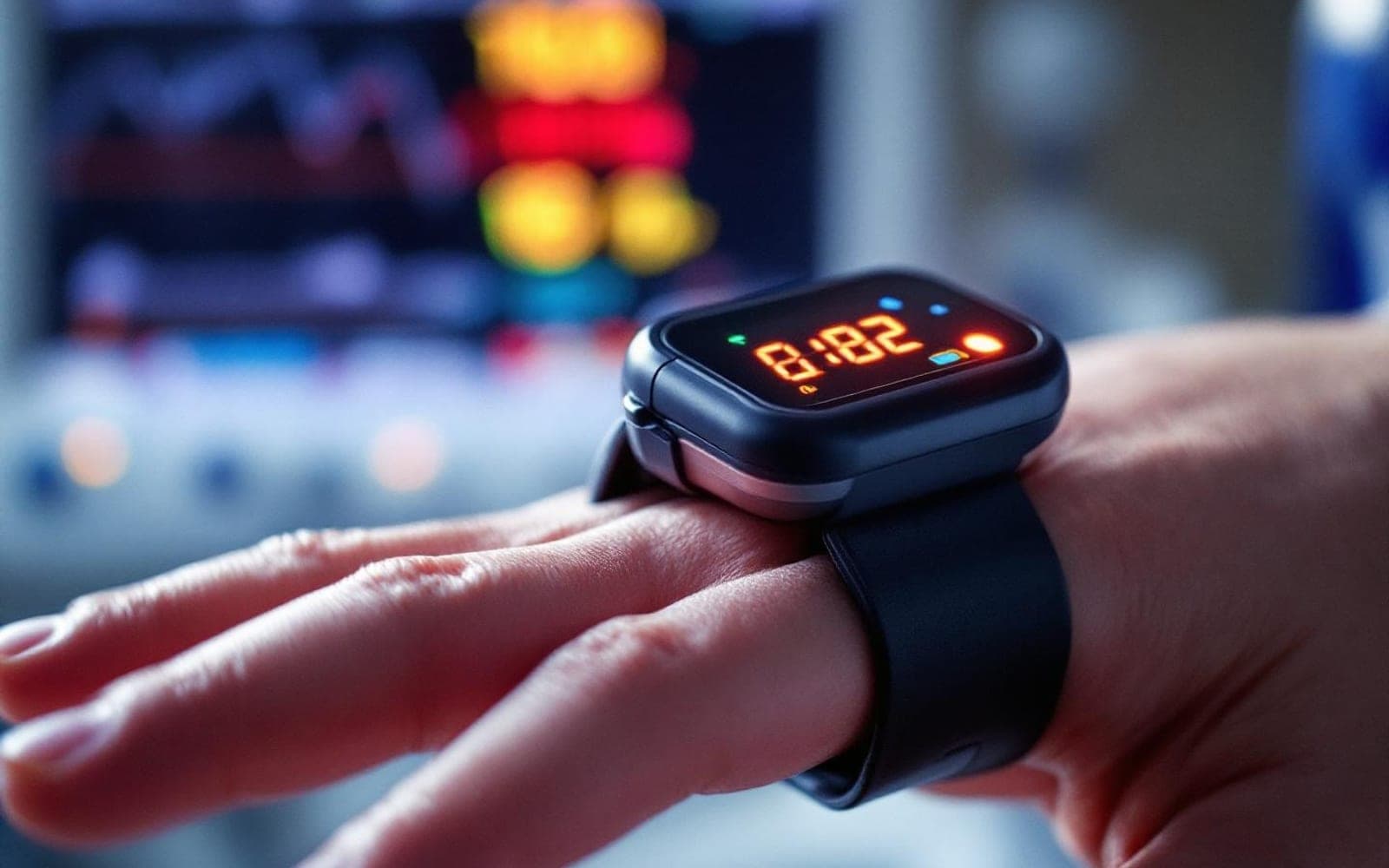
Search "iboga mexico" and you will find two entirely different worlds sitting on the same results page. One is botanical and ceremonial — a West African shrub, a centuries-old initiatory tradition, root bark. The other is clinical and pharmaceutical — a purified alkaloid, a cardiac monitor, a physician calculating a dose against your body weight.
Both are real. Both are described using the word "iboga." And the distance between them is the single most important thing a prospective patient can understand before booking anything.
This article is about that distinction specifically. It does not attempt to re-cover screening, day-by-day protocol, pricing, or outcomes — those are handled in depth on our main guide to ibogaine treatment in Mexico. What follows is the part that guide assumes you already know: what the substance actually is, what form you will receive, and how to tell whether the provider in front of you knows the difference.
Iboga and ibogaine are not synonyms
Iboga is a plant — Tabernanthe iboga, a slow-growing understorey shrub native to the forests of Gabon and neighbouring Central African countries. Nearly all of its pharmacological activity is concentrated in the root bark, which is a significant part of why the plant is under pressure in the wild.
Ibogaine is one specific alkaloid found in that root bark. It is the compound that has been the subject of most clinical interest, and it is the compound whose dosing, cardiac effects, and metabolism have actually been characterised.
So when a provider says "we work with iboga," that sentence is genuinely ambiguous. It might mean whole ground root bark. It might mean a total alkaloid extract. It might mean pharmaceutical-grade ibogaine hydrochloride. These are not interchangeable products, and they do not behave the same way in a human body.
If you want the botany, ecology, and traditional context in full, we have written about the iboga plant and the forms you will actually encounter separately. The rest of this article stays on the practical question: which of those forms shows up in Mexico, and why.
What a licensed Mexican clinic actually administers
In a medical setting in Mexico, you will generally encounter one of two preparations — and often both, used deliberately at different stages.
Ibogaine hydrochloride (HCl) is the purified single alkaloid. Because it is a defined compound at a known concentration, it can be dosed with precision against body weight and clinical variables. This is what makes a measured protocol possible in the first place; you cannot calculate a careful dose from a material whose potency you do not know.
Total alkaloid extract (TA) retains ibogaine alongside the other alkaloids naturally present in the root bark. It has a different character and a different role in a protocol.
The reason this matters to you is arithmetic. Root bark and TA vary in alkaloid content depending on the plant, the age of the root, and the extraction method. Ibogaine HCl does not — a certified batch is a known quantity. Any programme that administers a large dose of an unquantified plant material is, by definition, estimating rather than measuring. We have written a full clinical comparison of how TA and HCl differ and where each belongs in a protocol for readers who want the pharmacological detail.
The practical takeaway: ask which formulation you will receive, at what dose, and on what basis that dose was calculated. A provider who cannot answer that in specific terms is telling you something important.
Is iboga legal in Mexico?
This is the question underneath most "iboga mexico" searches, and it deserves a precise answer rather than a reassuring one.
Ibogaine is not a scheduled substance in Mexico, and it may be legally administered in clinical settings. That is the legal basis on which licensed Mexican medical programmes operate.
Note carefully what that does and does not mean:
- Not scheduled is not the same as approved. Mexico does not classify ibogaine as a controlled substance, but it has not approved it as a registered pharmaceutical product with an official indication either. It occupies an unscheduled space, not an endorsed one.
- Unscheduled does not mean unregulated in practice. The facility, the physicians, and the medical licensing all remain subject to Mexican health regulation. The substance's status does not exempt the provider from operating as a legitimate medical operation.
- The legal status of the substance says nothing about the quality of the provider. This is the trap. "It's legal in Mexico" is true, and it is also the most common sentence used to wave away questions that deserve real answers.
Because the regulatory picture differs sharply by country — and changes — we maintain a dedicated overview of where ibogaine stands legally in different jurisdictions. If you are travelling from the United States, that page addresses the cross-border questions directly.
Ceremonial iboga vs a medical ibogaine programme
Mexico hosts both models, and they are frequently marketed with overlapping vocabulary.
A ceremonial or retreat-style setting typically emphasises the traditional and spiritual dimension of the plant. It may involve root bark or TA, a facilitator rather than a physician, and a framing drawn — sometimes respectfully, sometimes loosely — from Bwiti practice.
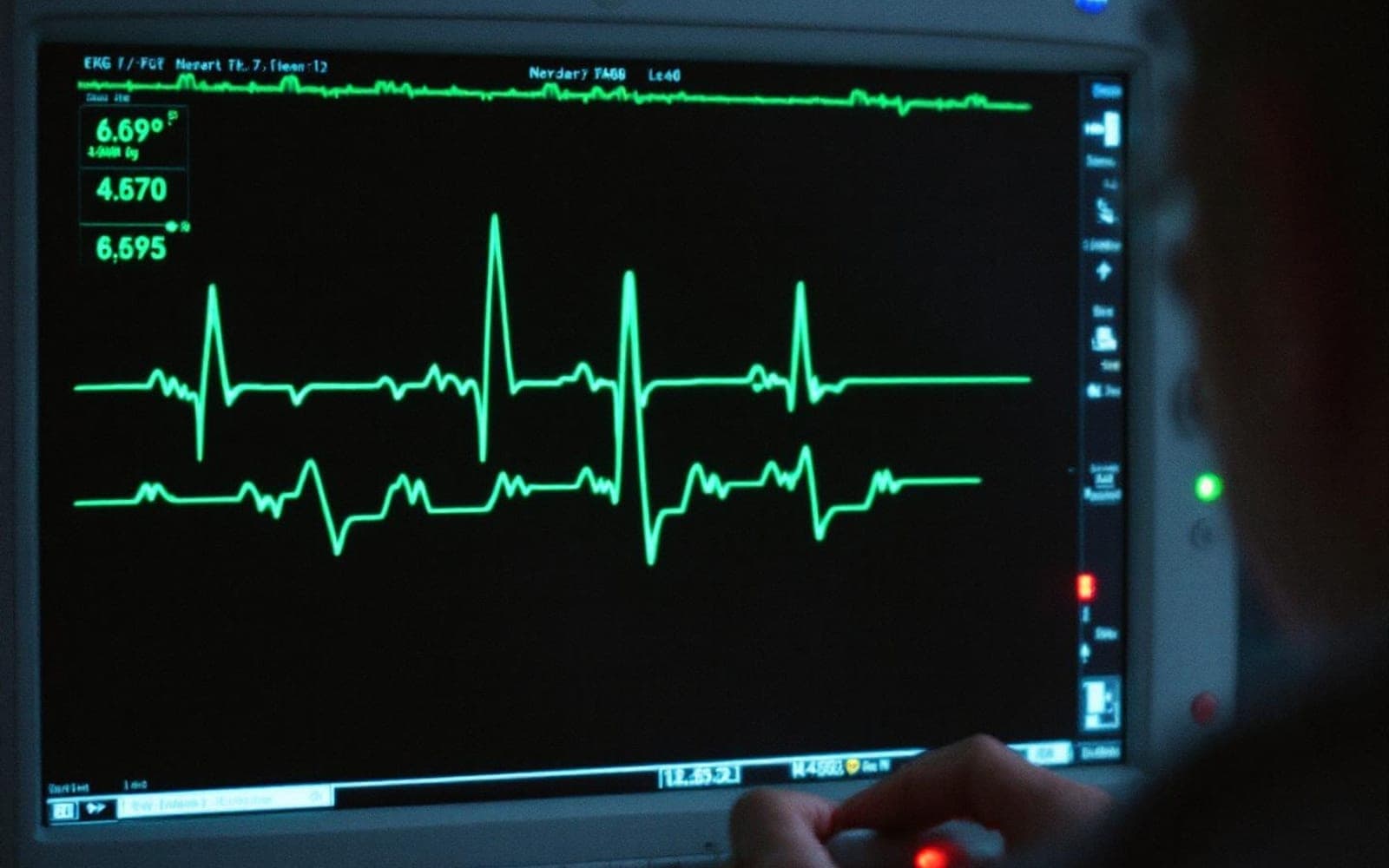
A medical programme treats ibogaine as a pharmacological intervention with real cardiac considerations. That means pre-treatment cardiac workup, continuous monitoring during the active period, physicians present, emergency equipment on site, and a defined response plan.
Neither description is a moral judgement about the plant or the tradition. But if you are coming to ibogaine with an opioid dependency, a cardiac history, a QT-prolonging medication, or an electrolyte imbalance, the difference between those two settings is not a matter of preference. Ibogaine's effects on cardiac conduction are the reason medical supervision exists, and no amount of ceremonial framing changes the pharmacology.
If you are weighing settings, our guidance on how to evaluate an ibogaine treatment centre lays out the specific questions and the red flags. We have also written about why Cozumel in particular suits medically supervised treatment, including hospital proximity — a consideration that rarely appears in marketing copy but matters enormously.
Where the iboga actually comes from
This is the part of "iboga mexico" almost nobody asks about, and it is worth asking.
Tabernanthe iboga is native to Central Africa, not Mexico. Any iboga-derived material used in a Mexican clinic has a supply chain behind it, and that supply chain has both an ethical and a quality dimension.
On the ethical side: because the active material is concentrated in the root bark, harvesting frequently kills the plant. Gabon treats iboga as a strategic national resource and regulates its export. Demand driven by international addiction treatment is a genuine pressure on wild populations, and it sits in direct tension with a living religious tradition that has stewarded the plant for generations. We have written at length about the conservation problem created by rising treatment demand.
On the quality side, the supply chain is also your safety chain. Reasonable questions for any provider:
- Is the ibogaine HCl accompanied by a certificate of analysis identifying purity and batch?
- Is the material semi-synthetic — derived from Voacanga africana, a more sustainable and more readily cultivated source — or from wild-harvested iboga root bark?
- Can the provider describe the sourcing at all, or does the question produce vagueness?
"Wildcrafted," used as a selling point, should prompt more questions rather than fewer. In a pharmacological context, verified consistency is the desirable property.
How to read a Mexican provider's language
A short translation guide for the phrases you will encounter:
| What you'll see | What to ask |
|---|---|
| "We work with iboga" | Root bark, TA, or HCl? At what dose? |
| "Sacred plant medicine ceremony" | Is a physician present for the active period? |
| "Legal in Mexico" | True — but what are your medical credentials and facility licensing? |
| "Fully supervised" | Supervised by whom, with what monitoring equipment, for how many hours? |
| "Wildcrafted iboga" | What is the source, and is there a certificate of analysis? |
| "Detox in one session" | What is the aftercare plan beyond the session? |
The consistent theme: every ambiguous phrase has a specific, answerable question behind it. Providers running real medical programmes tend to answer those questions readily, because the answers are their actual differentiator.
The short version
If you searched "iboga mexico," you were probably asking one of these:
- Can I access iboga or ibogaine in Mexico? Yes — ibogaine is not scheduled in Mexico and may be legally administered in clinical settings.
- Will I receive the plant or the purified compound? In a medical programme, ibogaine HCl and/or a total alkaloid extract, used deliberately and dosed by measurement.
- Is that the same as a traditional ceremony? No. Both exist in Mexico, and the difference is medical supervision — which is the part that addresses the cardiac risk.
- Does legal mean safe? No. Legal status describes the substance. Safety is produced by screening, monitoring, physicians, and equipment.
For the full clinical picture — screening, protocol, what the days actually look like, and programme structure — start with our main resource on medically supervised ibogaine treatment in Mexico. If you want to understand the mechanism first, how ibogaine works in the brain is the better starting point. When you are ready to ask about your own situation, you can speak with our clinical team directly.
Medical disclaimer: This article is for educational purposes only and is not medical advice. Ibogaine carries real cardiac risk and is not appropriate for everyone; it requires screening, including cardiac evaluation, and administration under qualified medical supervision. Never stop or alter prescribed medication without consulting your physician. If you are in crisis or having thoughts of suicide, call or text 988 (Suicide & Crisis Lifeline) in the United States, or contact your local emergency services.
Begin Your Journey
MindScape Retreat offers medically supervised ibogaine treatment in Cozumel, Mexico. Speak with our clinical team to learn if you are a candidate.
![Article Title [Stub - Auto-generated]](/_next/image?url=%2Fimages%2Farticles%2Ftreatment%2F15.jpg&w=1920&q=75&dpl=dpl_Ggz44ieHHB1uYD3dx8HTbsQjyF3q)