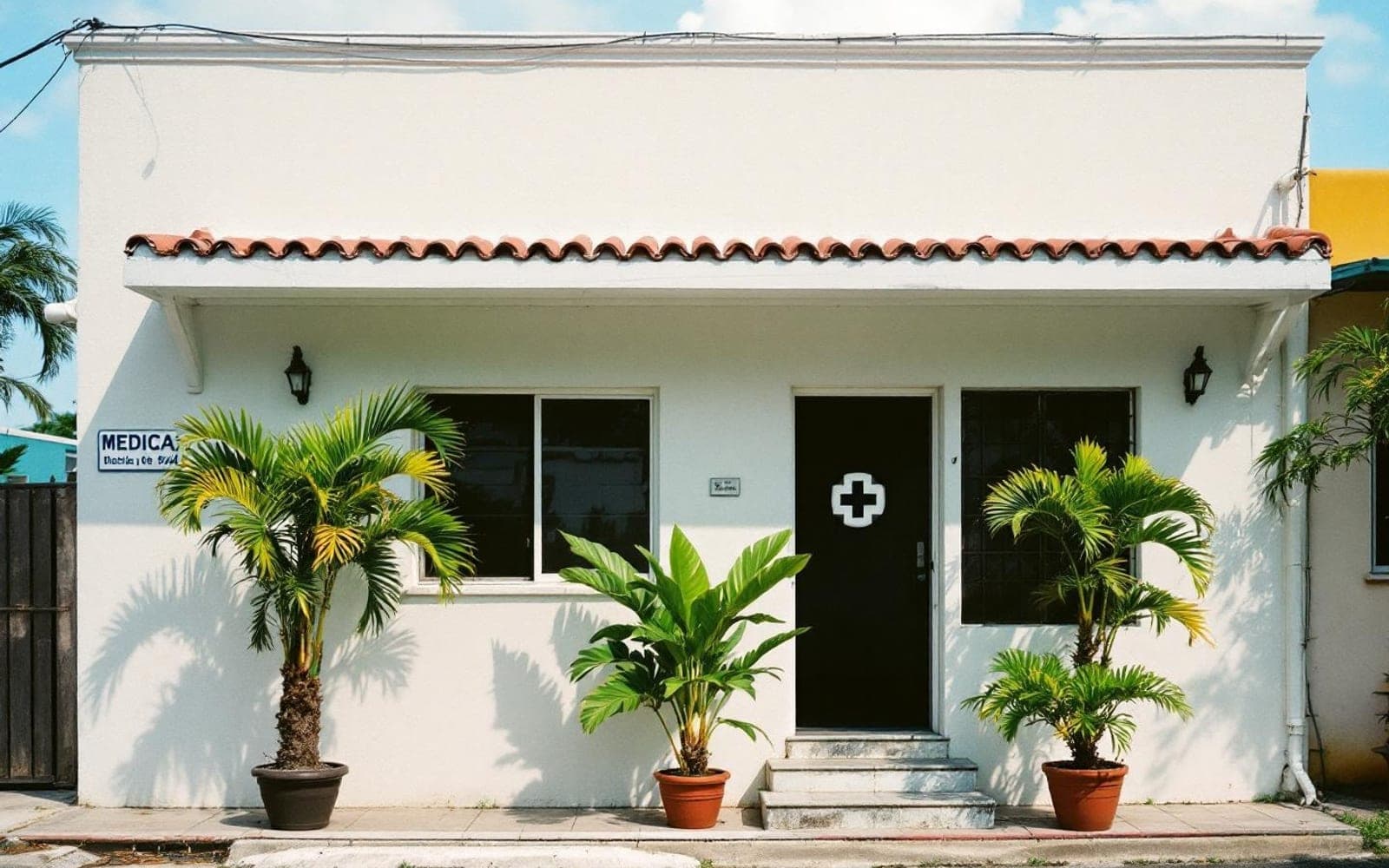
A 5-MeO-DMT retreat is no longer a fringe option. Over the past five years, what was once an underground ceremony reserved for a small circle of facilitators has become a medically informed therapeutic experience offered at licensed retreat centers across Mexico and Central America. Veterans, executives, trauma survivors, and people who have exhausted conventional mental-health treatment are arriving — often after researching ibogaine, psilocybin, and ketamine first — because nothing else matched what a single 5-MeO-DMT session can do for a stuck nervous system.
This guide explains what a 5-MeO-DMT retreat actually is, what happens hour by hour, what the experience costs in 2026, and how to separate a serious medical program from a weekend ceremony in someone's Airbnb. If you're looking for a physician-supervised 5-MeO-DMT and bufo alvarius program, the checklist at the end of this article will help you ask the right questions.
What Is a 5-MeO-DMT Retreat?
5-MeO-DMT (5-methoxy-N,N-dimethyltryptamine) is a tryptamine that occurs naturally in the venom of the Sonoran Desert toad (Incilius alvarius, often called Bufo alvarius) and in dozens of plants. It is also produced synthetically for research and clinical use. A 5-MeO-DMT retreat is a structured, multi-day program where the compound is administered in a controlled setting — usually by inhalation — with preparation, integration, and medical screening built around the actual session.
A typical retreat lasts three to ten days and includes:
- A pre-arrival medical and psychiatric intake
- Tapering protocols if the guest is on SSRIs, MAOIs, or other interacting medications
- One or more 5-MeO-DMT sessions with on-site clinical staff
- Integration therapy — usually a mix of one-on-one and group work
- Aftercare planning for the weeks following return home
The 5-MeO-DMT session itself is remarkably short. Subjective effects begin within seconds of inhalation, peak within two to five minutes, and resolve within roughly thirty to forty minutes. What makes the retreat structure essential is everything around that thirty minutes — the screening that determines whether someone is even a safe candidate, and the integration that turns a peak experience into durable change.
Why People Choose a 5-MeO-DMT Retreat Over a One-Off Ceremony
The phrase "I just want the experience" is the most common reason a 5-MeO-DMT session goes wrong. The compound is the most potent classical psychedelic known and produces near-complete dissolution of self-reference for several minutes. Without preparation, that can feel less like healing and more like emergency.
Retreats exist because the experience is too compressed to "course correct" mid-session. By the time something is wrong — an unscreened heart condition, an undisclosed SSRI, a panic response with no skilled hand on the shoulder — the window to intervene is measured in seconds. A retreat front-loads safety into the days before the medicine is ever offered.
Retreats also exist because the integration period is where most of the long-term benefit shows up. Without a few days of supervised reflection, therapy, and rest, peak experiences tend to fade into a "great trip" that doesn't change behavior. Programs that combine 5-MeO-DMT with ibogaine treatment at a medical clinic are especially focused on this — ibogaine resets receptor systems and opens a neuroplastic window, while a follow-up 5-MeO-DMT session functions as what some clinicians call the "perspective dose."
What Happens During a 5-MeO-DMT Retreat — Hour by Hour
Days 1–2: Arrival and Screening
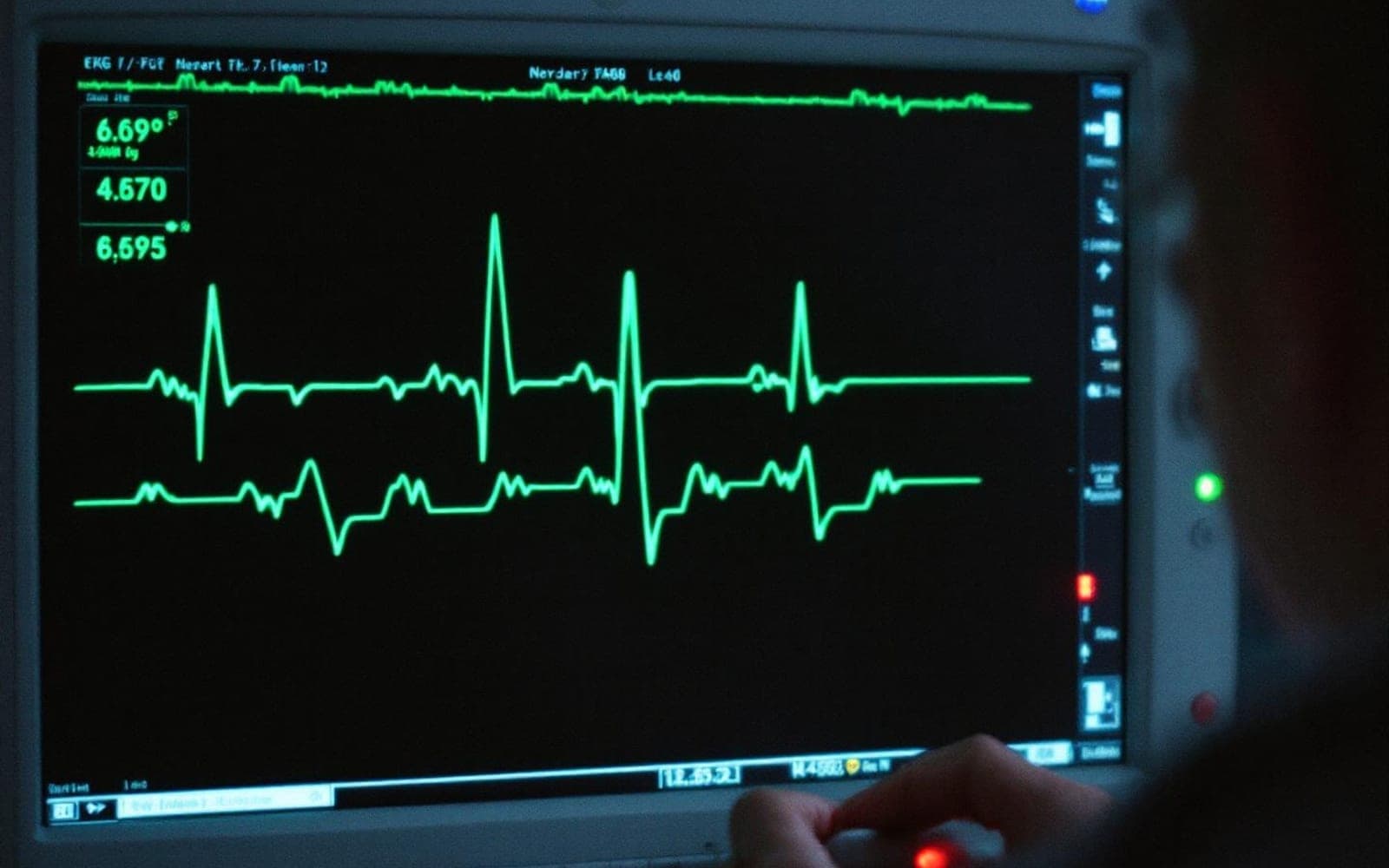
Most reputable retreats schedule arrival two to three days before the first session. This is not padding. It is when medical staff confirm vitals, run an ECG, review labs sent in advance, and finalize any medication tapers. Guests meet their therapist, walk the property, and start sleeping on local time.
If you have been on an SSRI, SNRI, MAOI, or stimulant, this is when staff verify your taper is complete. Active SSRI use is a contraindication for 5-MeO-DMT due to serotonin syndrome risk, and any program that skips this step should be considered unsafe.
Day 3: Preparation Day
The day before the medicine, most retreats run a long preparation session: intention setting, breathwork, and a frank conversation about what the experience can and cannot do. Staff explain the "release breath" technique that helps guests surrender into the peak. Hydration, sleep, and a light dinner are emphasized.
Day 4: The 5-MeO-DMT Session
Sessions are typically held in the morning. The guest lies down on a mat, a facilitator is seated at the head, and a medical professional is present in the room or immediately adjacent. The dose is measured by milligrams of pure 5-MeO-DMT (synthetic) or by milligrams of dried toad secretion (which contains 5-MeO-DMT plus bufotenine and other alkaloids).
- 0–30 seconds: Onset. The visual field shifts and body sensations amplify.
- 30 seconds – 2 minutes: Peak. Ego dissolution is typical. Most people describe this phase as beyond words.
- 2–10 minutes: Descent. Tears, laughter, and shaking are common. Facilitators do not intervene unless safety requires it.
- 10–40 minutes: Reintegration. The guest begins to speak, often slowly, often profoundly.
After the session, the guest rests, eats a small meal, and meets briefly with their therapist. The rest of the day is unstructured by design.
Days 5–7: Integration
This is the core of the retreat. Group circles, one-on-one therapy, journaling, somatic work, and nature walks turn the morning of Day 4 into something the nervous system can metabolize. Many programs use this window to teach practices — meditation, breathwork, sleep hygiene — that extend the gains.
How Much Does a 5-MeO-DMT Retreat Cost in 2026?
Pricing varies more than any other psychedelic modality. As of 2026, expect to see:
- Underground weekend ceremonies: $400–$1,500. Usually no medical screening, no integration, and no recourse if something goes wrong. Not recommended.
- Group retreats (3–4 days, non-medical): $2,500–$5,000. Better facilitation, but limited or no medical oversight.
- Medical retreats (5–7 days, physician-supervised): $8,000–$15,000. Pre-arrival labs, on-site clinical staff, integration therapy, and aftercare.
- Combined ibogaine + 5-MeO-DMT programs (7–10 days): $14,000–$22,000. The most thorough option for trauma, addiction, or treatment-resistant depression. Many guests find the synergy of ibogaine and 5-MeO-DMT more therapeutically complete than either alone.
The cost gap between underground and medical programs is real, and it correlates with the gap in safety and outcomes. Treat anyone offering a "fast" or "cheap" 5-MeO-DMT experience the way you would treat a stranger offering surgery in a hotel room.
5-MeO-DMT Retreat in Florida vs. Mexico
A common search query is 5-MeO-DMT retreat Florida. The honest answer is that 5-MeO-DMT remains a Schedule I substance under U.S. federal law. Florida retreats that openly offer 5-MeO-DMT operate in a legal gray zone, usually as religious organizations claiming sacramental use. These programs vary widely in medical rigor, and guests have very limited legal recourse if something goes wrong.
Mexico — particularly Cozumel and the Riviera Maya — has become the default destination for medically supervised programs for several reasons:
- Legal clarity. Mexico does not schedule 5-MeO-DMT or ibogaine in the same way as the United States, allowing licensed medical clinics to operate openly.
- Medical infrastructure. Reputable clinics employ Mexican-licensed physicians and ACLS-certified nurses, with hospital partnerships within minutes.
- Combined protocols. Mexican programs can legally pair 5-MeO-DMT with ibogaine, a combination unavailable in the United States.
- Recovery environment. Coastal locations reduce the cortisol load of integration in a way an airport hotel cannot.
If you are choosing between a Florida retreat and a Mexican medical program, the deciding question is rarely the medicine itself — it is whether you want a physician in the room.
Who Is a Candidate for a 5-MeO-DMT Retreat?
Good candidates generally include adults dealing with:
- Treatment-resistant depression
- Complex PTSD or single-incident trauma
- Anxiety that has not responded to therapy or medication
- Addiction in early recovery (often after ibogaine)
- Existential distress, end-of-life concerns, or a sense of being "spiritually stuck"
5-MeO-DMT is not appropriate for everyone. Contraindications include:
- Active psychosis or a personal history of schizophrenia or bipolar I
- Uncontrolled cardiovascular disease
- Current use of SSRIs, SNRIs, MAOIs, or lithium
- Pregnancy
- Recent stimulant use
A serious retreat will refuse a guest who screens out. A retreat that takes everyone is not a retreat — it is a transaction.
People Also Ask
What does a 5-MeO-DMT session feel like?
Most participants describe it as ego dissolution followed by a sense of unity or homecoming. Subjective effects last roughly twenty to thirty minutes and are often described as the most intense experience of a person's life. Difficult sessions are usually marked by fear of letting go rather than by frightening content.
How does 5-MeO-DMT differ from N,N-DMT or ayahuasca?
N,N-DMT and ayahuasca tend to produce vivid visionary content — entities, geometry, narrative. 5-MeO-DMT produces less visual content and more direct dissolution of self-reference. Many guests who have done both describe ayahuasca as a journey and 5-MeO-DMT as an arrival.
Is 5-MeO-DMT addictive?
No. There is no evidence of physical dependence or compulsive use, and most participants have little desire to repeat the experience soon. Sessions are typically spaced months or years apart.
How soon after the retreat can I return to work?
Most guests take three to seven days off after returning home. Integration benefits from a quiet re-entry, and the days immediately following the retreat are often when the most insight surfaces.
Can I combine 5-MeO-DMT with ibogaine?
Yes, and many clinicians consider this the gold-standard protocol for trauma and addiction. Ibogaine opens a neuroplastic window over several days; a follow-up 5-MeO-DMT session within that window can consolidate insight in ways either compound alone rarely achieves.
How to Choose a Safe 5-MeO-DMT Retreat — A Checklist
Before you book any program, confirm in writing:
- A licensed physician is on staff and present during sessions.
- A pre-arrival medical intake is required, including ECG and labs.
- SSRI, MAOI, and stimulant tapers are managed by clinical staff.
- Emergency equipment (oxygen, ACLS medications, AED) is on site.
- The facility has a documented relationship with a local hospital.
- Integration therapy is included, not sold as an upsell.
- Doses are measured by milligrams of active compound, not "a hit" or "a dose."
- Aftercare extends at least two weeks past departure.
- References from past guests are available on request.
- Refund and contraindication-screening policies are written, not verbal.
A program that hesitates on any of these is telling you something. Walk away.
The Bottom Line
A 5-MeO-DMT retreat can be the most catalytic week of an adult life, or it can be the most dangerous. The difference is almost never the medicine — it is the medical and therapeutic container around it. If you are ready to explore a physician-supervised 5-MeO-DMT and bufo alvarius retreat in Cozumel, make sure the program you choose treats the days before and after the session with as much seriousness as the session itself.
The right retreat does not promise an experience. It promises a process — and it earns that promise with screening, staffing, and follow-through.
Begin Your Journey
MindScape Retreat offers medically supervised ibogaine treatment in Cozumel, Mexico. Speak with our clinical team to learn if you are a candidate.
A guided one-day 5-MeO-DMT (Bufo) session starts at $1,450, and a guided ceremony is already included in every ibogaine program — see the one-day program or start free medical prescreening.

![Article Title [Stub - Auto-generated]](/_next/image?url=%2Fimages%2Farticles%2Ftreatment%2F15.jpg&w=1920&q=75&dpl=dpl_GESkNvtce1FjK8WpprcdL4NbcNVE)