The landscape of psychedelic-assisted medicine is rapidly evolving, offering new hope for individuals struggling with treatment-resistant conditions. Two substances leading this revolution are ibogaine and ketamine—each with distinct mechanisms, therapeutic applications, and clinical profiles. If you're considering ibogaine vs ketamine as treatment options, understanding their differences is essential to making an informed decision about your healing journey.
What Are Ibogaine and Ketamine?
Ibogaine: The Plant-Based Ally
Ibogaine is a naturally occurring alkaloid found in the West African shrub Tabernanthe iboga. Indigenous cultures have used iboga plant material in ceremonial contexts for centuries. Modern clinical use of purified ibogaine has emerged as a powerful tool for addressing addiction, depression, and neurological conditions. As a psychedelic compound, ibogaine works distinctly in the central nervous system, offering profound neuroplasticity benefits.
Ketamine: The Dissociative Bridge
Ketamine is a synthetic anesthetic medication developed in the 1960s and approved by the FDA for anesthesia and pain management. Unlike traditional psychedelics, ketamine is classified as a dissociative anesthetic—it produces a unique altered state distinct from classical psychedelics. In recent years, low-dose ketamine has gained traction for treating depression, anxiety, and chronic pain, with FDA approval for esketamine (a ketamine derivative) in treatment-resistant depression.
Mechanism of Action: How They Work in the Brain
Ibogaine's Multi-Receptor Approach
Ibogaine's therapeutic power stems from its complex interaction with multiple brain systems:
- NMDA receptor antagonism: Like ketamine, ibogaine blocks NMDA receptors, but with different kinetic properties
- Serotonin system modulation: Ibogaine influences 5-HT receptors, contributing to mood and perception shifts
- Opioid receptor interaction: Particularly relevant for addiction treatment, ibogaine affects mu and kappa opioid receptors
- Alpha-adrenergic activity: Contributes to cardiovascular and autonomic effects
- Neuroplasticity promotion: Ibogaine stimulates GDNF (glial cell line-derived neurotrophic factor), a key protein for neural growth and repair
The visionary state ibogaine produces—often described as introspective and deeply personal—facilitates psychological insight and emotional processing. Many report profound access to subconscious material, dream-like imagery, and a sense of confronting core patterns.
Ketamine's Primary Mechanism
Ketamine primarily works through:
- NMDA receptor antagonism: Blocks glutamate signaling, rapidly reducing depressive symptoms
- AMPA receptor activation: Enhances synaptic transmission through a different pathway
- mTOR pathway activation: Stimulates protein synthesis and synaptogenesis
- Rapid neuroplasticity: Promotes rapid formation of new neural connections
- Dissociative state: Produces a unique altered consciousness distinct from classical psychedelics
Ketamine's dissociative properties—characterized by detachment and perceptual shifts—differ markedly from ibogaine's introspective, visionary experience. Many describe ketamine states as more abstract and less emotionally intense than classical psychedelics.
Treatment Duration and Experience Profile
Ibogaine: Intensive Single or Multiple Sessions
Duration: A typical ibogaine experience lasts 12-24 hours, with the primary acute effects lasting 4-8 hours.
Experience: The ibogaine journey often begins with physical sensations—heaviness, vibrations, or tingling. As the experience unfolds, introspective visions emerge. Many describe profound clarity, access to subconscious material, and emotional catharsis. The experience tends to be immersive and integrative, often requiring significant time afterward for processing.
Treatment structure: Traditional therapeutic ibogaine protocols involve one to three high-dose sessions over days or weeks, typically in specialized treatment centers like those offering physician-supervised ibogaine care. Integration work—psychological support afterward—is crucial for lasting benefits.
Ketamine: Flexible, Repeatable Sessions
Duration: A single ketamine session typically lasts 45 minutes to 2 hours, depending on administration route (infusion vs. intranasal).
Experience: Ketamine produces a unique dissociative state—not quite psychedelic in the classical sense. Users often report floating sensations, perceptual shifts, and detachment from bodily sensations. The experience is usually less narrative or visionary than ibogaine.
Treatment structure: Ketamine therapy typically involves multiple sessions over weeks or months. The FDA-approved esketamine protocol recommends 2 sessions per week initially, then maintenance dosing. This repeated-session model allows for more gradual integration and ongoing clinical monitoring.
Conditions Treated: Where Each Excels
Ibogaine's Primary Applications
Ibogaine has shown particular effectiveness for:
- Opioid addiction: Often the most well-documented use, with significant benefits for physical withdrawal and psychological craving
- Stimulant addiction: Including cocaine and methamphetamine dependence
- Alcohol use disorder: Emerging evidence shows promise for addiction recovery
- Depression and trauma: Particularly PTSD and complex trauma conditions
- Neurological conditions: Growing research on Parkinson's disease and other neurodegenerative disorders
The depth of ibogaine's mechanism—particularly its effects on opioid receptors and reward circuitry—makes it exceptionally valuable for addiction treatment. Its capacity to promote neuroplasticity shows promise for ibogaine Parkinson's disease applications, where neural degeneration is central to pathology.
Ketamine's Primary Applications
Ketamine has strongest evidence for:
- Treatment-resistant depression: Rapid and robust antidepressant effects, often within hours
- Suicidal ideation: Rapid reduction in acute suicidal thoughts
- Anxiety disorders: Particularly anxiety accompanying depression
- Chronic pain syndromes: Effective for various pain conditions
- PTSD: Emerging evidence for trauma-related conditions
Ketamine's speed and repeatability make it valuable in acute psychiatric crises. Its FDA approval for esketamine in treatment-resistant depression has established it as a legitimate psychiatric tool with insurance coverage in many regions.
Safety Profile: What You Need to Know
Ibogaine Safety Considerations
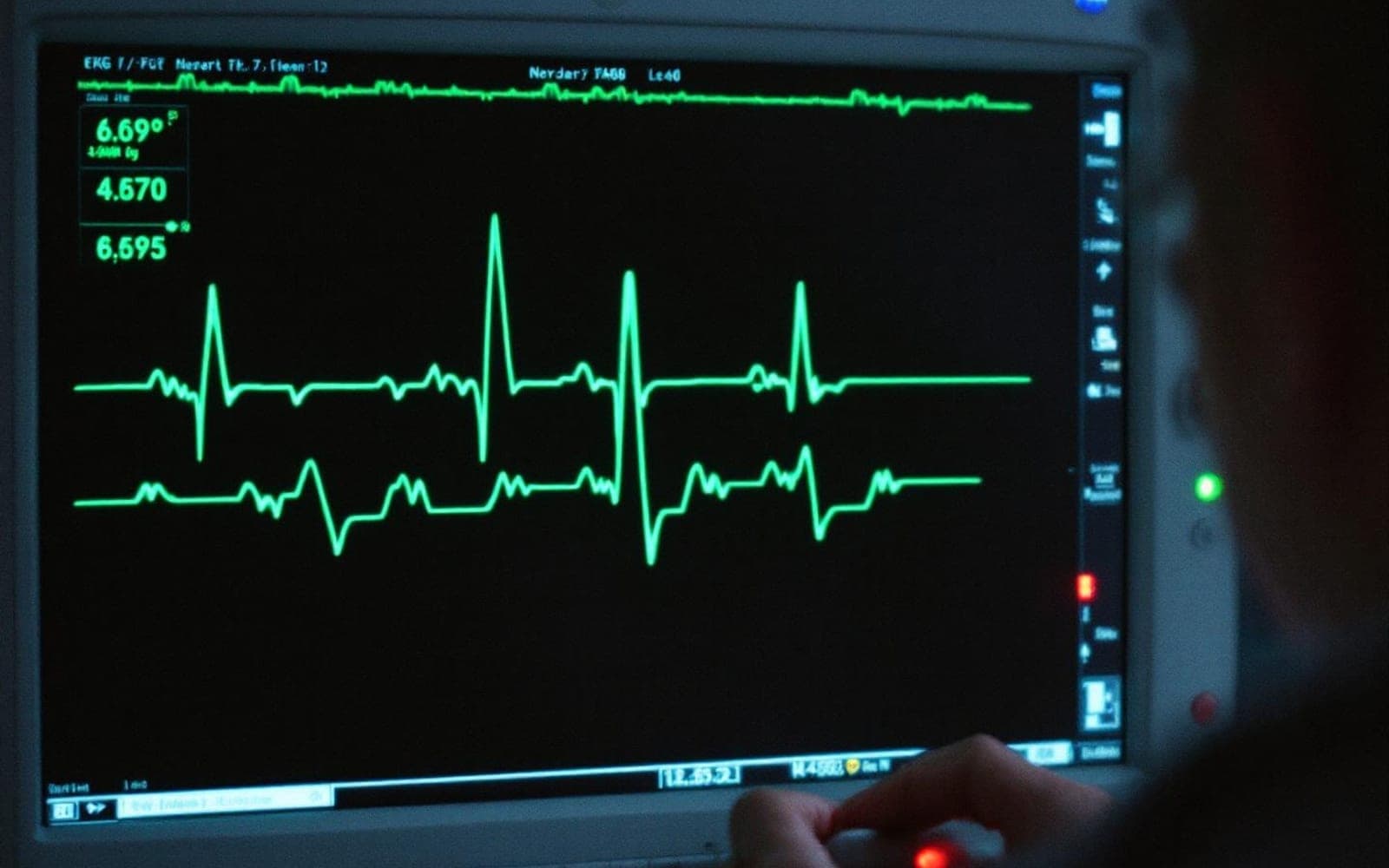
Cardiovascular risk: Ibogaine's most significant safety concern is its potential cardiac effects, including QT prolongation. Medical screening including EKG is mandatory before ibogaine treatment.
Ibogaine toxicity: At high doses or in vulnerable populations, ibogaine can cause neurotoxicity. Proper dosing protocols and medical supervision are essential.
Medical contraindications: Heart conditions, certain medications (particularly SSRIs), and seizure disorders contraindicate ibogaine use.
Physical demands: The 12-24 hour experience is physically demanding. Adequate supervision and medical monitoring throughout the session are non-negotiable.
Death rate context: While ibogaine-related deaths are rare (estimated at extremely low rates in controlled settings), they have occurred, typically in unmedical settings or with pre-existing cardiac conditions. Physician supervision is critical.
Ketamine Safety Considerations
Dissociative potential: Ketamine can be psychologically distressing for some, though clinical settings manage this with proper preparation.
Dependency risk: Repeated use carries some psychological dependence potential, though lower than traditional addiction drugs.
Bladder issues: Long-term frequent use (not typical in therapy) can affect urinary function.
Cognitive effects: Temporary memory or cognitive effects during and immediately after sessions are common and reversible.
Overall safety profile: Ketamine has decades of use as an anesthetic with well-understood safety parameters. Its side effect profile in low doses is generally favorable with appropriate monitoring.
Cost Comparison: Investment in Treatment
Ibogaine Treatment Costs
Ibogaine treatment costs vary significantly by location and program quality:
- Specialized clinics: $3,000–$8,000+ per treatment experience
- Mexican ibogaine clinics: Often $3,000–$6,000, reflecting lower operating costs
- Premium or lengthy programs: Can exceed $10,000
- The ibogaine cost reflects the intensive nature—medical screening, 24-hour supervision, integration support, and smaller client ratios
Additional expenses: Travel, accommodation near treatment center (often required for integration period), and follow-up therapy add to total cost.
Ketamine Therapy Costs
Ketamine therapy is typically more accessible financially:
- Single session: $300–$800 per session
- Treatment course: 6-week protocols typically cost $2,000–$6,000
- Insurance coverage: Some insurance plans cover ketamine therapy, particularly for FDA-approved esketamine; ibogaine has no insurance coverage
- Repeating nature: While individual sessions cost less, the multi-session model can accumulate costs over months
Financial accessibility: Ketamine's established medical status means better insurance coverage and payment plan options at many clinics.
Legal Status: Where You Can Access Treatment
Ibogaine's Legal Landscape
- Mexico: Legal and available at numerous retreat centers; Mexico has become a hub for ibogaine therapy
- Costa Rica: Legal therapeutic use through licensed clinics
- Canada: Recent regulatory changes making ibogaine more accessible through emergency exemptions
- United States: Schedule I—illegal without FDA research approval; not FDA-approved for therapeutic use
- Most of Europe: Restricted or illegal, though research access exists
- Thailand: Available at some private clinics; legal gray area
The legal restrictions on ibogaine in the US mean that Americans seeking ibogaine treatment must travel—typically to Mexico or Costa Rica. MindScape Retreat and similar clinics in Mexico fill this critical gap, offering physician-supervised ibogaine in accessible locations.
Ketamine's Legal Status
- United States: FDA-approved for anesthesia (since 1970) and treatment-resistant depression (esketamine, since 2019)
- Approved jurisdictions: Available through ketamine clinics and psychiatric practices throughout most Western countries
- Insurance coverage: FDA approval enables insurance reimbursement and medical legitimacy
- Accessibility: Can be administered in psychiatric offices, hospitals, and specialized clinics
Ketamine's legal approval significantly eases access for US patients. No travel is necessary, and some treatments may have insurance coverage.
Ibogaine vs Ketamine vs Other Psychedelics
Understanding ibogaine and ketamine requires context within the broader psychedelic medicine landscape.
Ibogaine vs Ayahuasca
Ayahuasca (a traditional brew combining DMT-containing plants with MAOIs) offers:
- Longer duration: 4-8 hours typically, often longer than ibogaine's main experience
- Different mechanism: DMT acts primarily on serotonin receptors, producing highly visual/mystical states
- Multiple sessions: Often part of multi-day retreats with repeated ceremonies
- Addiction applications: Less studied for addiction than ibogaine, though some evidence exists
- Safety profile: Different cardiovascular profile; dietary restrictions required (tyramine-free diet)
Ibogaine advantages: More targeted for addiction treatment, single-session model, distinct medical profile suitable for different populations.
Ibogaine vs Psilocybin
Psilocybin (magic mushrooms, synthesized as psilocybin), producing:
- Classical psychedelic effects: Profound visual/emotional/mystical experience
- Moderate duration: 4-6 hours typically
- Emerging medical evidence: Strong data for depression, existential distress, addiction
- Research status: FDA Breakthrough Therapy designation for depression and PTSD
Ibogaine advantages: Broader action on opioid and addiction pathways, different phenomenology, established addiction treatment protocols, no requirement for the visionary experience to achieve benefit.
Ketamine Distinctions
Ketamine's dissociative profile distinctly differs from classical psychedelics:
- Not traditionally psychedelic: Dissociative rather than serotonergic
- Rapid onset: Effects appear quickly (minutes for IV, 15-45 minutes for intranasal)
- Medical legitimacy: Already FDA-approved, established in medical practice
- Repeatable protocol: Multiple sessions with cumulative benefit, rather than single transformative experiences
Why Ibogaine Stands Apart in Psychedelic Therapy
While ketamine has gained significant medical acceptance, ibogaine occupies a unique therapeutic niche:
Unmatched Addiction Treatment Potential
Ibogaine's direct action on opioid and dopamine reward systems, combined with the neuroplasticity benefits and introspective experience, makes it exceptionally effective for addiction recovery. No other substance combines these mechanisms as effectively.
Access to Unconscious Material
The profound visionary state ibogaine catalyzes—distinct from ketamine's dissociative detachment—facilitates deep emotional processing and access to core patterns. Many describe ibogaine experiences as profoundly therapeutic precisely because of this introspective intensity.
Neuroplasticity and Neural Recovery
Ibogaine's stimulation of GDNF and other neurotrophic factors supports structural neural recovery—particularly important for long-term addiction effects and neurodegenerative conditions like Parkinson's disease.
Sustained Benefits
Many ibogaine treatment participants report lasting changes from a single intensive experience, combined with integration support—different from ketamine's accumulating effect over multiple sessions.
Geographic Expansion of Access
The establishment of high-quality psychedelic therapy Mexico centers—particularly in Cozumel and other locations—has made ibogaine accessible to international patients. Specialized centers now offer ibogaine treatment Seattle-area residents and others without requiring local legality, through travel to physician-supervised facilities abroad.
Frequently Asked Questions
Is ibogaine more effective than ketamine?
Effectiveness depends entirely on your condition and individual factors. For opioid addiction specifically, ibogaine has more robust historical evidence. For treatment-resistant depression or acute suicidal ideation, ketamine's rapid effects may be superior. Neither is universally "better"—they serve different therapeutic needs. Consulting with experienced practitioners in both modalities is wise.
Can you combine ibogaine and ketamine therapy?
Sequential use is theoretically possible but rarely done in practice. The intensity of ibogaine typically requires a recovery and integration period of weeks or months before additional psychedelic work. Concurrent use is contraindicated due to overlapping mechanisms and unpredictable interactions. Any combination requires careful medical supervision.
How much does ibogaine treatment cost compared to ketamine?
A single ibogaine experience ($3,000–$8,000) costs more than a single ketamine session ($300–$800), but a full ketamine protocol (6+ weeks of multiple sessions) can approach or exceed ibogaine costs. Consider total treatment cost over your full course, plus travel and integration expenses for ibogaine, versus recurring sessions and medication for ketamine.
Which is safer, ibogaine or ketamine?
Both carry distinct risks requiring proper medical supervision. Ibogaine's cardiovascular risks require cardiac screening; ketamine's risks are primarily psychological/cognitive and relate to long-term use patterns. In properly supervised medical settings with appropriate screening, both can be safe. The safer choice depends on your medical history and specific condition.
Where can I access ibogaine if I'm in the US?
Because ibogaine is Schedule I in the United States, treatment requires travel to jurisdictions where it's legal. Mexico—particularly Cozumel and other locations—hosts numerous physician-supervised ibogaine retreat centers serving international patients. Some clinics also operate in Costa Rica and other Central American locations. Ensure any facility you choose has:
- Physician medical supervision
- Proper cardiac and medical screening
- Integration support before and after treatment
- Transparent protocols and safety records
- Experience with your specific condition
Conclusion: Choosing Your Path Forward
The choice between ibogaine vs ketamine is not a matter of one being universally superior—rather, it's about matching the right tool to your specific condition, medical profile, and therapeutic needs.
Choose ibogaine if:
- Addiction—particularly opioid dependence—is your primary concern
- You seek deep introspective work and access to subconscious material
- You prefer a focused, intensive single-session model
- You're willing to travel for treatment
- You're medically cleared for the cardiovascular demands
Choose ketamine if:
- Treatment-resistant depression or acute suicidal crisis is your priority
- You need rapid symptom relief
- You prefer accessible, local treatment in the US
- You want to distribute treatment over multiple sessions
- Insurance coverage is important to you
For those seeking the transformative potential of ibogaine in a safe, physician-supervised setting, explore the comprehensive treatment programs available at MindScape Retreat. Located in Cozumel, Mexico, MindScape Retreat specializes in ibogaine treatment clinic services with rigorous medical protocols, experienced staff, and thorough integration support.
To deepen your understanding of how ibogaine facilitates healing, learn more about the how ibogaine works from a neurobiological perspective, or explore MindScape Retreat's complete approach to psychedelic-assisted therapy and recovery.
Your healing journey deserves informed decision-making, proper medical supervision, and evidence-based treatment. Whether you choose ibogaine, ketamine, or another approach, prioritize qualified medical professionals, thorough screening, and comprehensive support before, during, and after treatment.
Sources & Further Reading:
The clinical information in this article draws from peer-reviewed research on ibogaine and ketamine mechanisms, clinical trials, and established treatment protocols. While both substances show significant therapeutic promise, this article is educational and not medical advice. Always consult qualified medical professionals before beginning any psychedelic-assisted treatment.
MindScape Retreat is committed to advancing safe, evidence-based psychedelic therapy. Our physicians and clinical team stay current with emerging research while maintaining rigorous safety and ethical standards.
Begin Your Journey
MindScape Retreat offers medically supervised ibogaine treatment in Cozumel, Mexico. Speak with our clinical team to learn if you are a candidate.