Ibogaine treatment in Mexico has become the gold standard for people seeking an alternative to conventional addiction therapies. With decades of clinical experience, a favorable legal framework, and a growing number of medically supervised facilities, Mexico stands as the most accessible destination for ibogaine therapy in North America. Whether you are exploring options for opioid dependence, treatment-resistant depression, PTSD, or neurodegenerative conditions like Parkinson's disease, understanding what ibogaine treatment in Mexico involves — and how to evaluate providers — is essential for making an informed decision.
Why Mexico Is the Global Hub for Ibogaine Treatment
Mexico is one of the few countries where ibogaine is neither scheduled nor prohibited. This regulatory environment allows licensed physicians to administer ibogaine under full medical supervision, a critical distinction from underground or ceremonial settings. Unlike the United States, where ibogaine remains a Schedule I substance with no accepted medical use under federal law, Mexico permits its clinical application when overseen by qualified medical professionals.
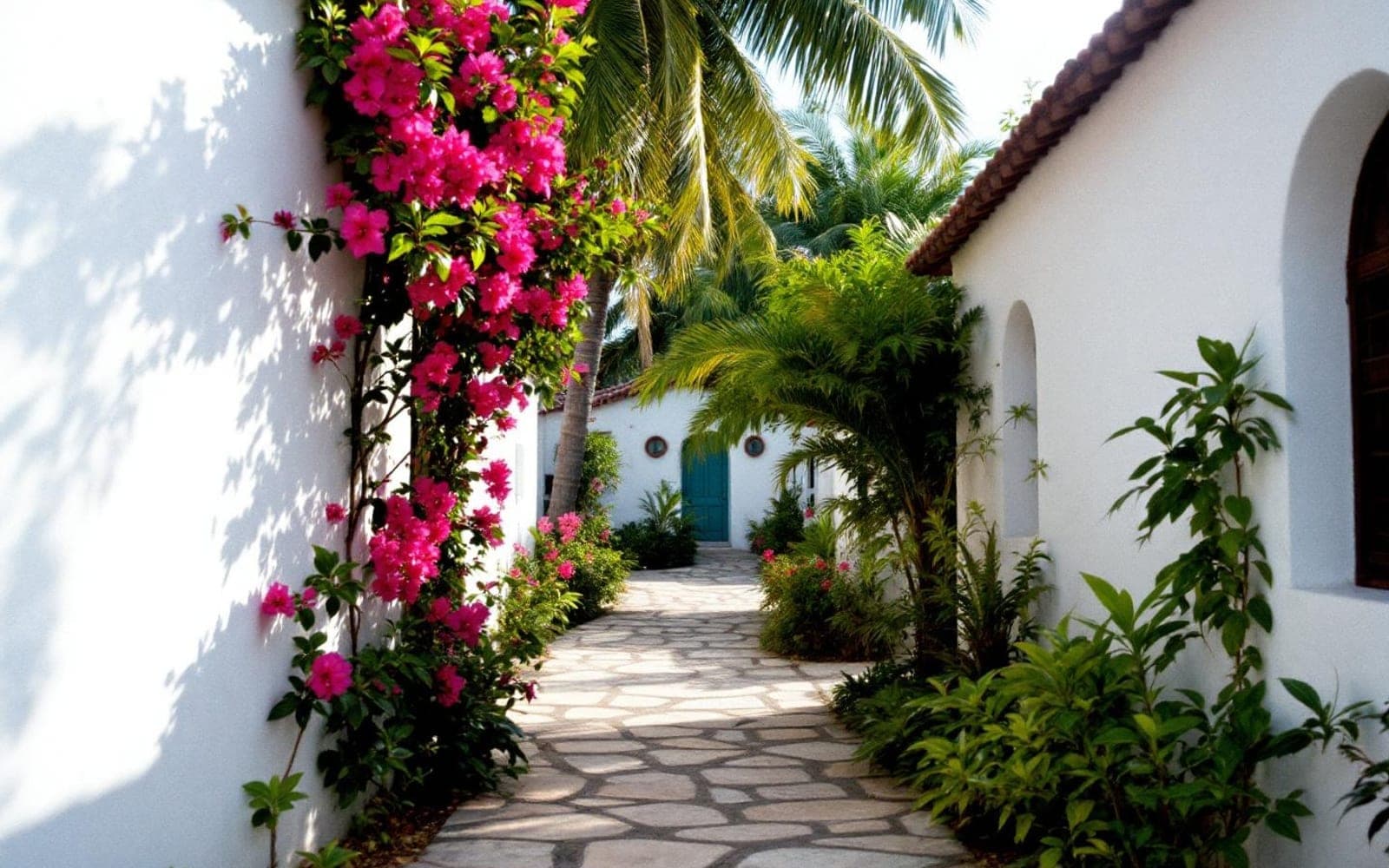
This legal clarity has attracted world-class practitioners to establish ibogaine treatment clinics across the country, with concentrations in Cancún, Playa del Carmen, Tijuana, and the island of Cozumel. Proximity to the U.S. border and major international airports makes travel logistics straightforward for patients coming from across North America, Europe, and beyond.
The Medical Infrastructure Advantage
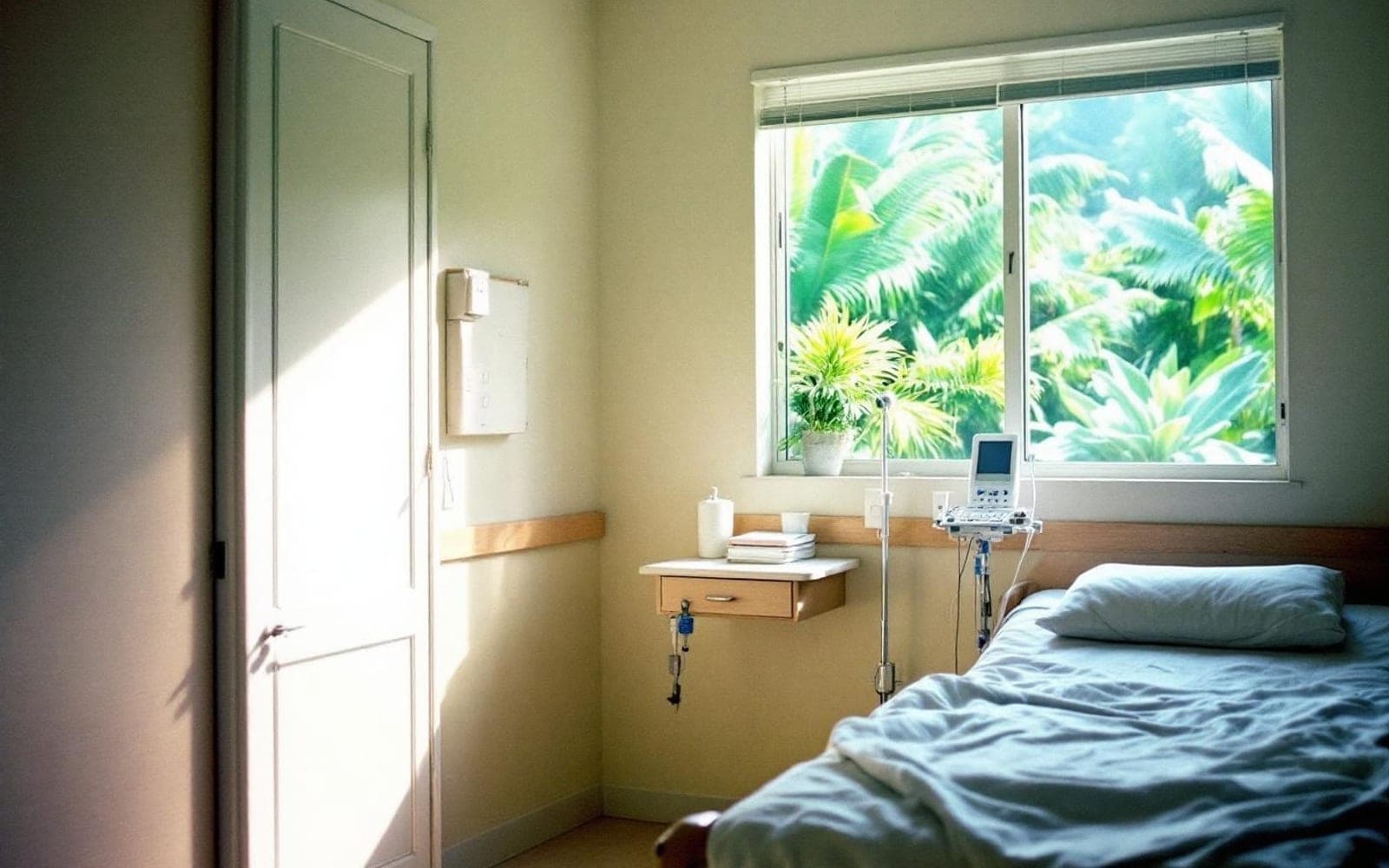
Mexico's ibogaine treatment centers range from basic retreat-style accommodations to fully equipped medical facilities. The most reputable centers operate with:
- Board-certified physicians trained in emergency medicine and ibogaine pharmacology
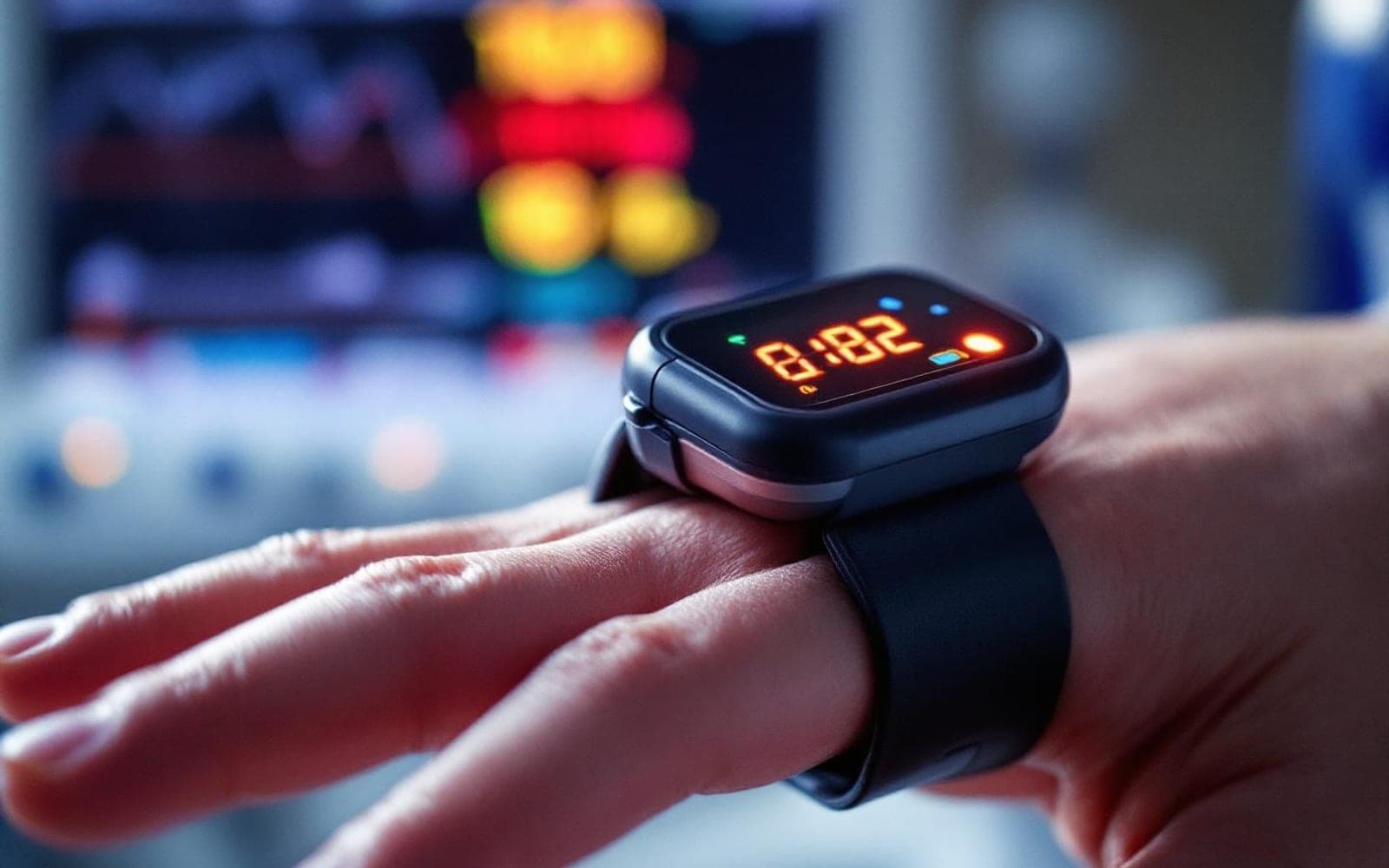
- On-site cardiac monitoring including 12-lead EKG and continuous telemetry
- Pre-treatment medical screening with comprehensive blood work, liver function panels, and cardiac evaluation
- Registered nursing staff providing 24-hour bedside care during the acute treatment phase
- Post-treatment integration support including counseling and aftercare planning
This infrastructure is what separates a safe ibogaine experience from a dangerous one. The presence of a physician who understands both the therapeutic potential and the cardiac risks of ibogaine is non-negotiable.
How Ibogaine Works: The Science Behind the Treatment
Ibogaine is a naturally occurring psychoactive alkaloid derived from the root bark of the Tabernanthe iboga plant, native to Central West Africa. Its mechanism of action is remarkably complex, interacting with multiple neurotransmitter systems simultaneously — a property that no other known substance replicates.
At the molecular level, ibogaine works by binding to opioid receptors, NMDA receptors, serotonin transporters, and sigma receptors. This multi-target pharmacology produces several therapeutic effects:
-
Opioid receptor reset — Ibogaine and its long-acting metabolite noribogaine occupy opioid receptors, effectively eliminating withdrawal symptoms and reducing cravings for weeks to months after a single treatment.
-
Neuroplasticity activation — Ibogaine upregulates glial cell line-derived neurotrophic factor (GDNF) and brain-derived neurotrophic factor (BDNF), proteins that promote neuronal growth and repair damaged neural pathways.
-
Dopaminergic system restoration — By modulating dopamine transporter function, ibogaine helps normalize the reward circuitry that addiction hijacks, restoring the brain's ability to experience pleasure from natural stimuli.
-
Psychospiritual processing — The visionary state induced by ibogaine allows many patients to confront and process traumatic memories, compulsive patterns, and emotional blockages in a deeply introspective experience lasting 12–24 hours.
What Conditions Respond to Ibogaine?
While ibogaine was first recognized for its ability to interrupt opioid addiction, the clinical evidence base has expanded significantly:
- Opioid addiction (heroin, fentanyl, prescription painkillers, methadone, suboxone)
- Stimulant and poly-substance dependence (cocaine, alcohol, methamphetamine)
- Treatment-resistant depression and anxiety
- PTSD and complex trauma (with particular promise for veterans)
- Parkinson's disease (emerging research on motor symptom improvement)
- Traumatic brain injury (TBI)
Stanford University's landmark study demonstrated an 88% reduction in PTSD symptoms among military veterans treated with ibogaine, findings that have catalyzed interest from the research community and policymakers alike.
Ibogaine Treatment Mexico vs. Other Destinations
Mexico vs. Costa Rica
Costa Rica has a smaller number of ibogaine providers, and the regulatory framework is less defined. While ibogaine is not explicitly illegal there, the absence of clear medical guidelines means fewer standardized safety protocols. Mexico's longer track record and larger provider ecosystem translate to more experienced clinical teams and better-established emergency procedures.
Mexico vs. Europe (Portugal, Netherlands)
European options exist but tend to be significantly more expensive and less accessible for North American patients. Travel time, visa considerations, and cultural barriers add complexity. Mexico's geographic advantage for U.S. and Canadian patients is substantial — many clinics are a 2–4 hour flight from major U.S. cities.
Mexico vs. Underground Treatment in the U.S.
Some patients explore underground ibogaine treatment in the United States, where providers operate outside the law. This carries extraordinary risk: no medical licensing oversight, no emergency protocols, no cardiac monitoring, and no legal recourse if something goes wrong. For those searching for ibogaine treatment near Florida or other U.S. states, the safest legal option remains traveling to a licensed facility in Mexico.
What to Expect During Ibogaine Treatment in Mexico
Pre-Treatment Phase (Days 1–3)
The process begins well before the ibogaine session itself. Upon arrival at a reputable ibogaine retreat in Mexico, patients undergo:
- Medical intake — Full physical examination, review of medical history, and discussion of current medications. Certain substances (SSRIs, benzodiazepines, methadone) require a tapering period before ibogaine can be administered safely.
- Cardiac screening — A baseline EKG is mandatory. Patients with prolonged QTc intervals or certain cardiac conditions may not be candidates for ibogaine treatment.
- Blood work — Liver function, kidney function, electrolyte panels, and complete blood count ensure the body can metabolize ibogaine safely.
- Psychological preparation — Patients meet with counselors or therapists to set intentions, discuss fears, and establish a framework for the experience ahead.
The Ibogaine Session (Day of Treatment)
Ibogaine administration typically follows a progressive dosing protocol:
- Test dose — A small amount of ibogaine (usually ibogaine total alkaloid extract, or TA) is administered to check for allergic reactions and assess initial sensitivity.
- Flood dose — The full therapeutic dose of ibogaine hydrochloride (HCL) is given, calculated based on body weight and clinical assessment.
- Onset (30–90 minutes) — Patients begin to feel the effects, often starting with a buzzing sensation, visual changes, and a dream-like state.
- Peak experience (4–8 hours) — The visionary phase, during which patients often report life review experiences, encounters with symbolic imagery, and profound emotional processing.
- Integration phase (8–24 hours) — The intensity gradually subsides. Patients rest while being continuously monitored.
Throughout the entire session, cardiac telemetry, blood pressure, oxygen saturation, and heart rhythm are tracked continuously. A physician and nursing team remain at bedside.
Post-Treatment Recovery (Days 2–7)
Recovery from ibogaine is not like waking up from anesthesia — it is a gradual process:
- Day 1 post-treatment — Most patients feel fatigued but notice a dramatic reduction in withdrawal symptoms (for addiction patients) or a lifting of depressive fog (for mental health patients).
- Days 2–3 — Energy returns slowly. Integration sessions with counselors help patients process the visionary experience and begin translating insights into actionable life changes.
- Days 4–7 — Physical strength returns. Many clinics offer complementary therapies including massage, yoga, breathwork, and nutritional support.
- Ongoing aftercare — The best ibogaine clinics in Mexico provide 3–12 months of follow-up support, including telehealth check-ins, integration coaching, and referrals to local therapists.
How to Choose a Safe Ibogaine Clinic in Mexico
Not all ibogaine providers in Mexico meet the same safety standards. Here is a checklist for evaluating clinics:
Medical Team Credentials
- Is there a licensed physician on-site during treatment? (Not just "on call")
- Does the medical team have specific training in ibogaine pharmacology?
- Are nurses present 24/7 during the acute phase?
Safety Equipment
- Is continuous cardiac monitoring (telemetry, not just periodic EKGs) available?
- Is crash cart and emergency resuscitation equipment on-site?
- Does the facility have a relationship with a nearby hospital for emergency transfers?
Screening Protocols
- Does the clinic require comprehensive blood work before accepting a patient?
- Is a baseline EKG mandatory?
- Are patients with contraindicated medications (SSRIs, methadone) required to taper before arrival?
Transparency and Track Record
- Can the clinic provide verifiable patient testimonials?
- Is pricing transparent with no hidden fees?
- Does the facility have published safety data or clinical outcomes?
A provider who resists questions about safety protocols or physician credentials is a red flag. MindScape Retreat operates as a physician-supervised ibogaine treatment center on the island of Cozumel, Mexico, with full cardiac monitoring, licensed medical staff, and a comprehensive aftercare program.
The Cost of Ibogaine Treatment in Mexico
Ibogaine treatment in Mexico typically ranges from $5,000 to $12,000 USD for a complete program, depending on the length of stay, level of medical supervision, and additional therapies included. This is significantly less than comparable programs in Europe or underground treatments in the U.S. (which often charge similar prices without any medical infrastructure).
Factors that affect cost include:
- Program duration — 5-day programs cost less than 10–14 day comprehensive retreats
- Medical staffing — Physician-supervised programs with 24/7 nursing cost more than retreat-style settings with minimal medical oversight
- Complementary therapies — Programs that include 5-MeO-DMT sessions, NAD+ infusions, psilocybin-assisted therapy, or extensive counseling cost more
- Accommodation quality — Private rooms, ocean views, and resort-style amenities increase the price point
Insurance does not currently cover ibogaine treatment. However, many patients find that the cost of a single ibogaine session compares favorably to years of conventional rehab, medication-assisted treatment, or repeated emergency room visits.
Mexico Psychedelic Therapy: The Broader Landscape
Ibogaine is part of a broader shift toward psychedelic-assisted therapy that Mexico is well positioned to lead. The country's regulatory framework has also enabled clinical use of psilocybin, 5-MeO-DMT (from the Bufo alvarius toad), ketamine, and other psychedelic compounds.
For patients who respond well to ibogaine, complementary psychedelic therapies can deepen the healing process:
- 5-MeO-DMT — A powerful mystical experience that many patients describe as ego dissolution. Often administered 3–5 days after ibogaine to consolidate neuroplastic changes.
- Psilocybin therapy — Used in integration sessions to maintain the openness and emotional accessibility that ibogaine initiates.
- NAD+ infusions — While not psychedelic, NAD+ therapy supports cellular repair and energy restoration, complementing the neurobiological reset that ibogaine provides.
This multi-modal approach is becoming the hallmark of leading ibogaine retreats in Mexico, offering a comprehensive healing journey rather than a single-substance intervention.
Frequently Asked Questions
Is ibogaine treatment in Mexico legal?
Yes. Ibogaine is not a controlled substance in Mexico. Licensed physicians can administer it under medical supervision in accredited facilities. Patients traveling from the U.S. or Canada face no legal issues related to receiving treatment in Mexico.
How long does ibogaine treatment in Mexico take?
Most programs run 5–14 days. The ibogaine session itself lasts 12–24 hours, but pre-treatment preparation and post-treatment integration require additional time. A minimum 7-day program is recommended for optimal outcomes.
Can I get ibogaine treatment near Florida instead of Mexico?
Ibogaine remains illegal in all U.S. states, including Florida. However, Cozumel, Mexico — where several physician-supervised clinics operate — is a short flight from Miami, Fort Lauderdale, and other Florida cities. Many Florida residents choose Cozumel specifically for its proximity and medical infrastructure.
What are the risks of ibogaine treatment?
The primary risk is cardiac — ibogaine can prolong the QT interval, which in rare cases leads to fatal arrhythmia. This is why cardiac screening and continuous monitoring during treatment are essential. Other risks include ataxia (difficulty with coordination), nausea, and psychological distress during the visionary phase. All of these are manageable in a medically supervised setting.
How do I prepare for ibogaine treatment in Mexico?
Preparation involves tapering off contraindicated medications (SSRIs, benzodiazepines, methadone) under medical guidance, completing required blood work and cardiac screening, and mentally preparing through intention-setting work. Most clinics provide a detailed preparation guide 4–6 weeks before the treatment date.
Is one ibogaine treatment enough?
For many patients, a single ibogaine flood dose produces significant and lasting results, particularly for opioid addiction. However, some patients benefit from a booster dose protocol or follow-up treatments for complex conditions like PTSD or Parkinson's disease. Your treatment team will advise on the appropriate protocol based on your specific situation.
Taking the Next Step
Ibogaine treatment in Mexico represents one of the most promising therapeutic advances for addiction, trauma, and neurological conditions available today. The combination of a supportive legal framework, experienced medical teams, and decades of clinical practice makes Mexico the premier destination for this transformative therapy.
If you are considering ibogaine treatment, the most important step is a thorough medical consultation to determine candidacy. Reach out to a physician-supervised facility, ask the hard questions about safety protocols, and verify credentials before committing to any program.
The journey toward healing begins with informed choice.
Begin Your Journey
MindScape Retreat offers medically supervised ibogaine treatment in Cozumel, Mexico. Speak with our clinical team to learn if you are a candidate.