The Complete Guide to Ibogaine Treatment in Mexico: Safety, Efficacy, and Your Path to Recovery
Ibogaine treatment has emerged as one of the most transformative approaches to addiction recovery available today, and Mexico has become a global destination for individuals seeking physician-supervised ibogaine therapy. With approximately 80% of people struggling with addiction treatment experiencing setbacks within the first year of conventional approaches, many patients are turning to ibogaine-assisted healing as a powerful alternative.
This comprehensive guide explores everything you need to know about ibogaine treatment mexico, from the science behind this remarkable plant medicine to selecting the right retreat facility, safety considerations, and what to expect throughout your journey toward recovery and renewed wellbeing.
What Is Ibogaine? Understanding This Revolutionary Botanical Medicine
Ibogaine is a naturally occurring alkaloid derived from the root bark of the iboga plant (Tabernanthe iboga), native to West Central Africa. For centuries, West African Bwiti traditions have incorporated ibogaine in spiritual and healing ceremonies. Today, this botanical compound has gained international recognition for its profound effects on addiction recovery and emotional healing.
The compound works uniquely in the brain, distinguishing it from conventional addiction treatment medications. Unlike methadone or buprenorphine, which function primarily as opioid agonists, ibogaine operates through multiple neurochemical pathways simultaneously. This multi-modal approach addresses not just the physical aspects of addiction but also the psychological, emotional, and spiritual dimensions that conventional treatments often overlook.
The Science Behind Ibogaine's Therapeutic Effects
Research has demonstrated that ibogaine acts as a non-selective serotonin and dopamine antagonist, with particular affinity for serotonin 5-HT2A receptors and sigma-1 receptors. This action facilitates neuroplasticity—the brain's remarkable capacity to rewire itself and form new neural pathways. During an ibogaine session, your brain essentially undergoes a reset, allowing it to move beyond the deeply entrenched neurochemical patterns that sustain addiction.
The compound also increases levels of glial-derived neurotrophic factor (GDNF), a protein crucial for nerve cell growth and survival. This neuroprotective action helps repair the neurological damage caused by years of substance abuse, contributing to lasting recovery outcomes.
More than 80% of individuals who complete physician-supervised ibogaine treatment report significant reductions in withdrawal symptoms and cravings within the first week—a dramatic difference from conventional treatment timelines that can extend for months or years.
Why Mexico Has Become the Global Center for Ibogaine Retreat Treatment
Mexico, particularly regions like Cozumel and the Riviera Maya, has established itself as the world's premier destination for ibogaine-assisted healing. This prominence stems from several critical factors:
Legal and Regulatory Framework
While ibogaine remains a controlled substance in the United States, Mexico's regulatory environment permits licensed medical facilities to offer physician-supervised ibogaine treatment under specific protocols. This legal distinction has made Mexico the preferred location for tens of thousands of individuals annually seeking evidence-based ibogaine therapy.
If you're researching ibogaine treatment florida, it's important to understand that legitimate, medically supervised ibogaine treatment in the United States remains extremely limited. Ibogaine treatment near me searches often lead to confusion about legal options—Mexico provides the most accessible, legitimate pathway for comprehensive, physician-supervised care.
Medical Infrastructure and Expertise
Mexico's ibogaine treatment centers have developed sophisticated medical protocols rivaling any leading international facility. Retreat centers in Mexico invest heavily in cardiac monitoring equipment, intensive care capabilities, and emergency medical infrastructure. A properly accredited ibogaine retreat Mexico facility operates under strict medical supervision, with cardiologists, physicians, and experienced clinical staff monitoring each patient continuously throughout the treatment process.
Holistic Integration and Extended Care
Mexican ibogaine retreats have pioneered comprehensive retreat models that extend beyond the medicine experience itself. These programs integrate psychotherapy, integration coaching, nutritional support, and spiritual guidance—addressing the whole person rather than just the addiction symptom.
The retreat setting itself facilitates healing. Removed from the environmental triggers that sustain addiction, patients can focus entirely on their recovery while being held in a supportive community of fellow seekers. This therapeutic container accelerates the healing process in ways that outpatient treatment in your home city cannot match.
How Does Ibogaine Work? The Mechanism of Neurological Transformation
Understanding how ibogaine works at the neurological level helps explain why it produces such remarkable recovery outcomes compared to conventional addiction treatments.
The Immediate Pharmacological Window
When administered under medical supervision, ibogaine enters the bloodstream and crosses the blood-brain barrier. Within 30-90 minutes, patients typically enter a visionary state lasting 4-8 hours—a period sometimes called the "ibogaine experience." During this window, the compound's action on multiple receptor systems creates a profound neurochemical shift.
The serotonergic and dopaminergic systems that have been dysregulated by years of substance abuse become recalibrated. The reward circuitry of the brain, which has been hijacked to prioritize substance seeking above all other activities, essentially reboots. Patients frequently report accessing memories, emotional insights, and realizations that have been locked away by their addiction.
Neuroplasticity and Lasting Change
The true power of ibogaine lies in its capacity to induce neuroplasticity—the brain's ability to physically reorganize itself by creating new neural connections. The ibogaine mechanism of action stimulates the growth of new brain cells (neurogenesis) and strengthens beneficial neural pathways while allowing harmful addiction circuits to weaken through disuse.
This neurological transformation explains why ibogaine users commonly report that their cravings have simply disappeared—not through willpower or suffering, but through genuine neurochemical change. The substance has rewired their brain's relationship to their drug of choice.
Extended Neurochemical Normalization
The benefits of ibogaine extend far beyond the acute dosing window. Over the weeks and months following treatment, continued ibogaine neuroplasticity effects allow the brain to establish new patterns of baseline dopamine and serotonin function. This normalization of neurochemistry supports sustained recovery without requiring daily medication—a unique advantage over opioid maintenance medications like methadone.
The Ibogaine Treatment Experience: What to Expect at a Medical Retreat in Mexico
Choosing to pursue ibogaine treatment in Mexico is a significant decision. Understanding exactly what the process entails helps you prepare mentally, emotionally, and physically.
Pre-Treatment Assessment and Medical Screening
Your journey begins weeks before you arrive in Mexico. Reputable ibogaine treatment centers conduct thorough medical screening, including cardiac evaluation, blood work, and psychiatric assessment. Ibogaine can stress the cardiovascular system, so a comprehensive EKG and cardiac history review are essential safety measures.
This pre-screening period also includes psychological preparation. Clinical staff work with you to establish intentions for your treatment, address any health conditions that might affect the experience, and create a framework for integrating insights that emerge during the medicine journey.
The Retreat Setting
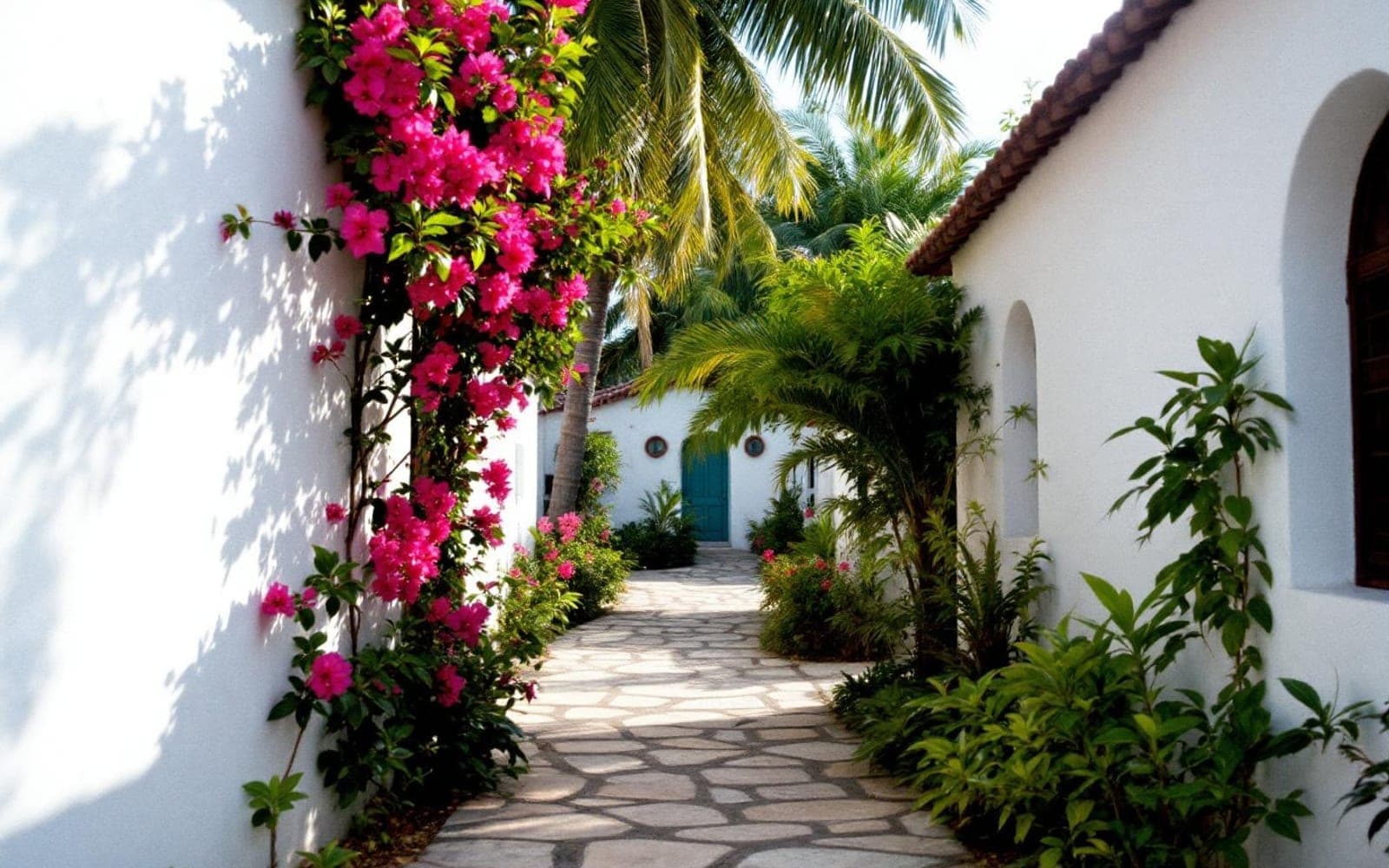
Upon arrival in Mexico, you'll be welcomed into a thoughtfully designed healing environment. Quality retreats provide private or semi-private rooms with 24-hour medical staff access, comfortable common spaces, nutritious meals tailored to support your system during recovery, and healing amenities like gardens, yoga space, and peaceful meditation areas.
The community of fellow retreat participants provides powerful peer support. Being surrounded by others who truly understand the struggle with addiction—people who are simultaneously on their own healing journeys—creates a therapeutic container that significantly enhances outcomes.
The Treatment Protocol
On the morning of your dosing day, you'll complete final medical checks including blood pressure, heart rate, and an EKG. Medical staff explain the process, answer final questions, and help you establish a calm, receptive mindset.
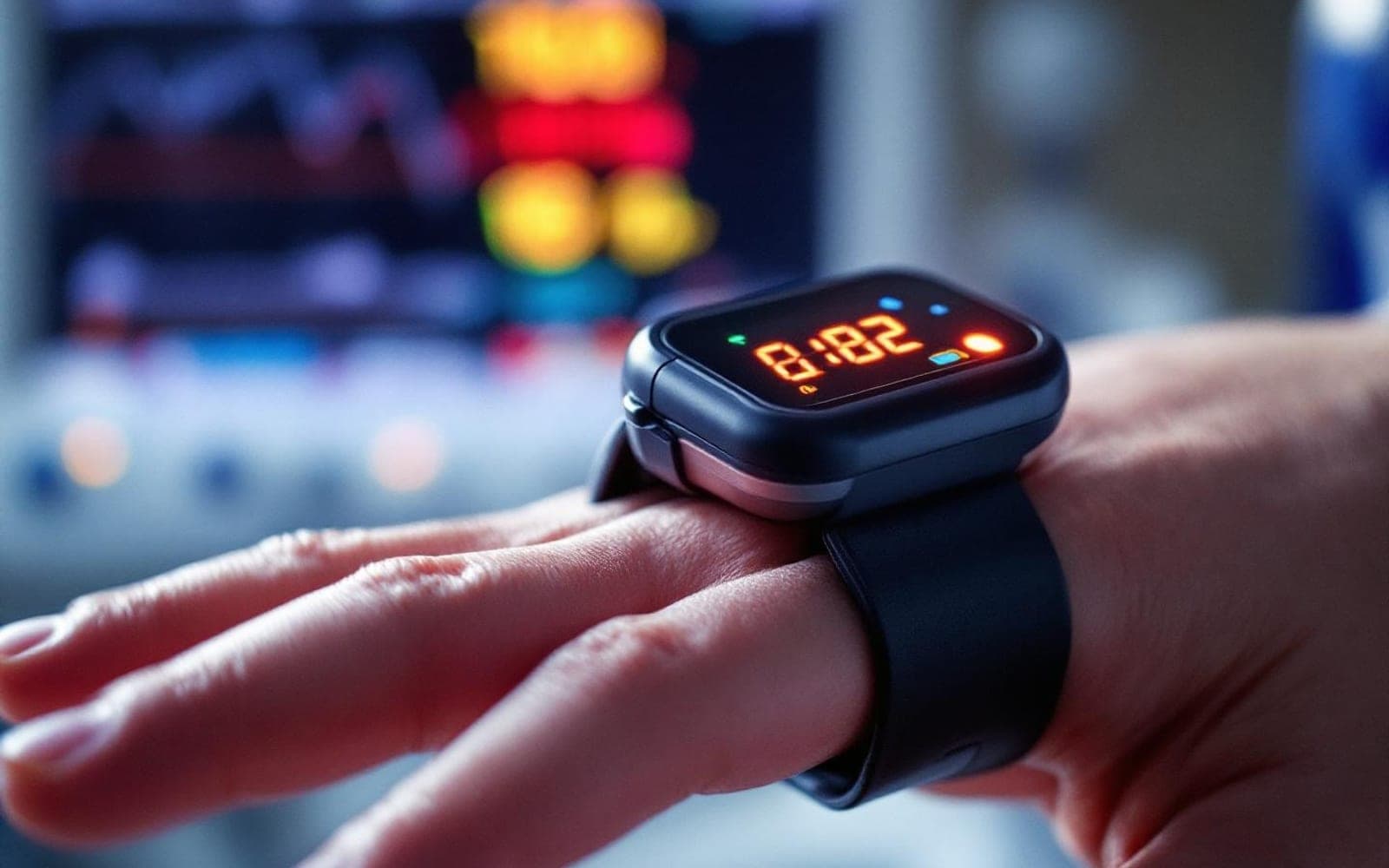
You'll ingest the ibogaine dose in a clinical setting with continuous medical monitoring. Heart rate, blood pressure, and oxygen saturation are tracked throughout the experience. The visionary state typically begins 30-90 minutes after dosing.
During the 8-12 hour visionary window, patients report profoundly introspective experiences. Many encounter their addiction narrative from a new perspective, accessing the emotional roots of their substance use and the person they are beyond addiction. The experience is intense, non-ordinary, and often deeply moving—but guided by the presence of trained clinical staff and integration specialists who are there to support your safety and wellbeing.
Post-Treatment Integration
The days following your ibogaine dosing are crucial for integrating insights and establishing new behavioral patterns. Quality retreats provide intensive integration support including daily psychotherapy sessions, group integration circles, bodywork, and practical skill-building for maintaining your recovery.
This integration phase is where the insights from your ibogaine experience become embedded as lasting neurological and behavioral change. Without adequate integration support, patients may struggle to translate their profound experience into sustained recovery.
Safety Considerations: Selecting a Physician-Supervised Ibogaine Clinic in Mexico
While ibogaine is generally well-tolerated when administered properly, it does carry medical risks that demand rigorous safety protocols. Understanding how to evaluate facility safety is crucial when choosing an ibogaine clinic in Mexico.
Essential Safety Standards
Cardiac Monitoring: The facility must have continuous cardiac monitoring capabilities, including EKG machines, pulse oximetry, and blood pressure monitoring throughout your entire treatment window.
Medical Staff: Legitimate treatment centers employ board-certified physicians with experience managing ibogaine sessions, not just general practitioners. The facility should have emergency medical protocols and access to hospital-level care if needed.
Pre-Treatment Screening: Comprehensive screening should include detailed cardiac history, blood work assessing liver and kidney function, and psychiatric evaluation to identify potential contraindications.
Clinical Experience: Facilities should be able to demonstrate years of experience treating hundreds or thousands of patients, with documented safety records and outcome data.
Integration Services: Beyond the medicine experience, the facility should provide professional integration support from licensed therapists or counselors trained in post-ibogaine integration.
Red Flags When Evaluating Facilities
Avoid facilities that minimize cardiac risks, fail to require comprehensive pre-screening, don't employ physicians, or provide minimal integration support. Retreat centers that market ibogaine as a "vacation experience" rather than medical treatment, or that charge suspiciously low fees relative to the costs of maintaining medical-grade facilities, warrant careful scrutiny.
When how to choose an ibogaine clinic research, prioritize transparency. Legitimate facilities welcome your questions about their medical protocols, staff credentials, safety record, and outcome data.
Ibogaine Treatment Cost and Financial Considerations in Mexico
Understanding the financial investment required for quality ibogaine treatment helps you plan appropriately and evaluate value.
What's Included in Retreat Costs
Comprehensive ibogaine treatment cost typically includes your medical assessment and screening, retreat accommodations, meals, the ibogaine dose itself, continuous medical monitoring during your treatment, and post-treatment integration services. Quality retreats in Mexico generally range from $4,000-$8,000 USD, though premium facilities may charge more.
This investment includes not just the substance itself but the entire medical and therapeutic infrastructure required for safe, effective treatment—facilities, equipment, staff salaries, and round-the-clock care.
Cost Comparison to Conventional Treatment
While the upfront cost of ibogaine retreat treatment may seem significant, it's valuable to consider cost-effectiveness over time. A single ibogaine retreat, with roughly 50% success rates for sustained recovery, compares favorably financially to months or years of conventional outpatient treatment, medication costs, and the hidden expenses of active addiction.
Legal Status and Regulatory Considerations
An important question many prospective patients ask concerns the legality of pursuing ibogaine treatment abroad. Understanding ibogaine legal status helps you navigate this carefully.
In the United States, ibogaine remains a Schedule I controlled substance, making its use, possession, and distribution illegal. However, traveling to Mexico for ibogaine treatment at a licensed medical facility operates within Mexican law. The Mexican government permits registered medical facilities to administer ibogaine under specific protocols.
It's important to note that bringing ibogaine back into the United States is illegal. However, the ibogaine's therapeutic benefits persist long after you return home, as the neurological changes continue integrating over the following months and years.
Ibogaine Treatment in 2026: The Evolving Landscape of Psychedelic-Assisted Therapy
The field of ibogaine treatment and psychedelic medicine is rapidly evolving. Understanding current developments helps contextualize where ibogaine treatment 2026 stands and what the future may hold.
Clinical Research and Medical Recognition
The past few years have witnessed unprecedented scientific interest in ibogaine. Major medical institutions are conducting rigorous clinical trials examining ibogaine's efficacy for opioid addiction, alcohol use disorder, and other substance use conditions. This research is gradually shifting medical perspectives on ibogaine from controversial experimental treatment to evidence-based therapeutic intervention.
Integration with Conventional Medicine
The most effective approach moving forward integrates ibogaine's transformative potential with conventional medical wisdom. Rather than viewing ibogaine and conventional medicine as opposing approaches, sophisticated treatment now leverages both—using ibogaine's neuroplasticity-inducing properties alongside conventional support, psychotherapy, and when appropriate, adjunctive medications.
Mexico's Role in the Global Ibogaine Treatment Landscape
As interest in ibogaine grows internationally and legal frameworks slowly evolve, Mexico will likely maintain its position as the global leader in accessible, medically sophisticated ibogaine treatment. The infrastructure, clinical expertise, and proven safety record established by pioneering Mexican retreat centers continue attracting patients from worldwide.
Frequently Asked Questions About Ibogaine Treatment in Mexico
Is Ibogaine Treatment Really Effective for Addiction Recovery?
Yes. Research and extensive clinical experience demonstrate that ibogaine facilitates rapid, profound changes in addiction-related neurobiology and psychology. Approximately 50-80% of people who complete physician-supervised ibogaine treatment experience sustained recovery from their substance use disorder—success rates considerably higher than conventional treatment modalities.
However, ibogaine's effectiveness depends on several factors: the quality of your retreat facility and medical care, your own readiness and intention for change, adequate integration support following your treatment, and your engagement with ongoing recovery practices in the weeks and months following your retreat.
How Long Does an Ibogaine Retreat in Mexico Typically Last?
Most comprehensive ibogaine retreats last 5-10 days. This timeframe allows for thorough pre-treatment assessment, the acute treatment day and immediate post-treatment monitoring, and sufficient time for integration work to help embed the insights and neurological changes initiated by ibogaine.
Longer retreats (10-14 days) provide extended integration support, while some facilities offer even more comprehensive programs including preparatory workshops or extended integration tracks for continued support after the core retreat.
What Are the Risks and Side Effects of Ibogaine?
Ibogaine is generally well-tolerated when properly administered, but it does carry medical risks that necessitate physician supervision. Cardiovascular effects, including increased heart rate and blood pressure, represent the primary medical concern. This is why comprehensive pre-screening, cardiac monitoring, and physician supervision are essential.
Other common effects during the treatment window include nausea, dizziness, coordination changes, and intense emotional or psychological experiences. These are managed through supportive care, and most resolve naturally within 24 hours of dosing.
Serious adverse events are rare in properly supervised medical settings with comprehensive pre-screening, but they can occur—emphasizing the critical importance of selecting a facility with genuine medical infrastructure and experienced clinical staff.
How Does Ibogaine Compare to Traditional Addiction Treatment?
Ibogaine differs fundamentally from conventional approaches in several ways. Traditional treatment typically relies on behavioral modification, ongoing medication management, and psychological intervention stretched over months or years. Ibogaine, by contrast, catalyzes rapid neurological reset and psychological insight within a single intensive retreat experience.
Ibogaine doesn't prevent relapse through ongoing medication, but through neurological transformation that fundamentally alters your brain's relationship to substances. Many patients report that cravings simply disappear—not through willpower, but through genuine neurochemical change.
That said, ibogaine isn't a complete replacement for ongoing recovery support. Post-retreat integration work, continued therapy, lifestyle changes, and engagement with a recovery community all significantly enhance long-term outcomes.
Can I Combine Ibogaine Treatment with Other Medications?
Medication interactions with ibogaine represent an important safety consideration. Certain medications, particularly those affecting serotonin (like SSRIs) or interacting with ibogaine's receptor activity, may require adjustment before treatment.
This is precisely why comprehensive pre-screening and physician oversight are essential. Your retreat center's medical team will review all current medications and work with you to create a safe medication management plan around your treatment.
What's the Success Rate for Ibogaine Treatment in Mexico?
Published research and clinical outcomes data show approximately 50-80% of patients completing physician-supervised ibogaine treatment maintaining sustained recovery or experiencing significant improvements in their substance use and wellbeing.
These success rates represent dramatically better outcomes than many conventional treatment modalities. However, success depends substantially on the quality of your facility, the comprehensiveness of integration support, and your own commitment to recovery practices following your retreat.
Will Ibogaine Cure My Addiction Permanently?
Ibogaine is most accurately understood as a transformative tool that resets your neurobiology and consciousness around your addiction, creating a window of opportunity for permanent recovery. The transformation ibogaine catalyzes is real and profound, but converting that transformation into lasting recovery requires your engagement with post-retreat integration, lifestyle changes, and ongoing support.
Think of ibogaine as providing the opportunity for a fresh start—removing the neurological shackles that bound you to addiction. Your responsibility is maintaining and building upon that fresh start through continued work on yourself.
How Is MindScape Retreat Different from Other Ibogaine Facilities?
MindScape Retreat distinguishes itself through unwavering commitment to medical excellence, comprehensive integration support, and personalized attention to each patient's unique journey. Our physician-supervised ibogaine programs combine cutting-edge medical protocols with compassionate, trauma-informed care.
Every patient receives individualized treatment protocols, continuous medical monitoring throughout their retreat, and extended integration support from licensed therapists trained in post-ibogaine integration work. We maintain the highest standards for safety, efficacy, and patient outcome tracking.
Your Path Forward: Taking the Next Step Toward Transformation
If you've been struggling with addiction and conventional treatments haven't provided lasting relief, ibogaine treatment in Mexico may offer the transformative breakthrough you've been seeking. The combination of Mexico's medical infrastructure, specialized clinical expertise, and the neurologically restorative power of ibogaine creates an unparalleled opportunity for profound recovery.
The decision to pursue ibogaine treatment is deeply personal. It requires courage, readiness, and trust in the process. But for thousands of individuals who have walked this path, ibogaine treatment has catalyzed a complete reorganization of their relationship with substances and their lives.
Next Steps
-
Research thoroughly: Continue learning about ibogaine, how it works, and what to expect. Knowledge reduces fear and increases your readiness for treatment.
-
Assess your readiness: Reflect honestly on whether you're ready for transformative change. Ibogaine works best for those genuinely committed to recovery.
-
Connect with a qualified facility: Reach out to MindScape Retreat to discuss your situation, ask questions, and determine whether our ibogaine treatment clinic is the right fit for your unique needs.
-
Prepare comprehensively: Engage fully in pre-treatment preparation, complete all required screening, and work with our clinical team to optimize your readiness.
-
Commit to integration: Understand that your retreat is the beginning, not the end. Commit to the integration work that follows, which is where lasting recovery truly solidifies.
Conclusion: Ibogaine Treatment Mexico as Your Gateway to Recovery
Ibogaine treatment in Mexico represents a remarkable opportunity for individuals struggling with addiction to access cutting-edge, medically sophisticated, evidence-based care that conventional treatment options simply cannot match. The combination of Mexico's legal framework, established medical infrastructure, specialized clinical expertise, and the unique neurological power of ibogaine creates an unparalleled pathway toward transformation.
The scientific evidence is compelling. The clinical outcomes are remarkable. And the personal testimonies of thousands of individuals who've completed ibogaine treatment provide living proof that profound, lasting recovery is possible.
Your addiction has taken years to develop and has likely reshaped your neurobiology, psychology, and sense of self. That deep rewiring requires more than conventional approaches can offer. Ibogaine provides a genuine neurological reset—an opportunity to fundamentally change your brain's relationship to substances and reclaim your life.
The choice is yours. But know that help exists. Transformation is possible. And your path to recovery starts with a single decision to reach out.
Contact MindScape Retreat today to discuss your situation and explore whether ibogaine treatment in Cozumel, Mexico is the right choice for your recovery journey. Our compassionate clinical team is here to answer your questions, address your concerns, and guide you toward the healing you deserve.
Disclaimer: This article is for educational purposes and should not be considered medical advice. Ibogaine treatment carries medical risks and should only be pursued under the supervision of qualified medical professionals. Always consult with healthcare providers regarding your individual situation.
Begin Your Journey
MindScape Retreat offers medically supervised ibogaine treatment in Cozumel, Mexico. Speak with our clinical team to learn if you are a candidate.