The phrase ibogaine retreat gets used loosely. Travel agencies use it. Wellness influencers use it. Underground guides use it. But in 2026, with ibogaine moving steadily from the fringe into mainstream addiction and trauma research, the difference between a true medical ibogaine retreat and a "spiritual" one is measured in cardiac telemetry, board-certified physicians, and the protocols that protect a guest's life during the most powerful psychoactive experience they will likely ever have.
This guide explains what an authentic ibogaine retreat actually is, what it is not, and why people from across the United States, Canada, and Europe are choosing structured, physician-supervised programs over the older "ceremonial only" model. If you're researching ibogaine treatment at a physician-supervised clinic for opioid dependence, treatment-resistant depression, PTSD, or long-term recovery, the framework below will help you separate marketing from medicine.
What an Ibogaine Retreat Actually Is
An ibogaine retreat is a residential treatment program — typically 7 to 14 days — built around one or more carefully dosed sessions of ibogaine, a naturally occurring alkaloid found in the iboga shrub of Central West Africa. The "retreat" framing matters because ibogaine is not a quick clinic visit. The molecule has a long active window (24 to 36 hours, with afterglow extending for days), requires continuous cardiac monitoring, and produces an introspective experience that benefits enormously from intentional space — comfortable lodging, ocean air, integration support, and zero pressure to return to ordinary life too quickly.
A real ibogaine retreat blends three things at once:
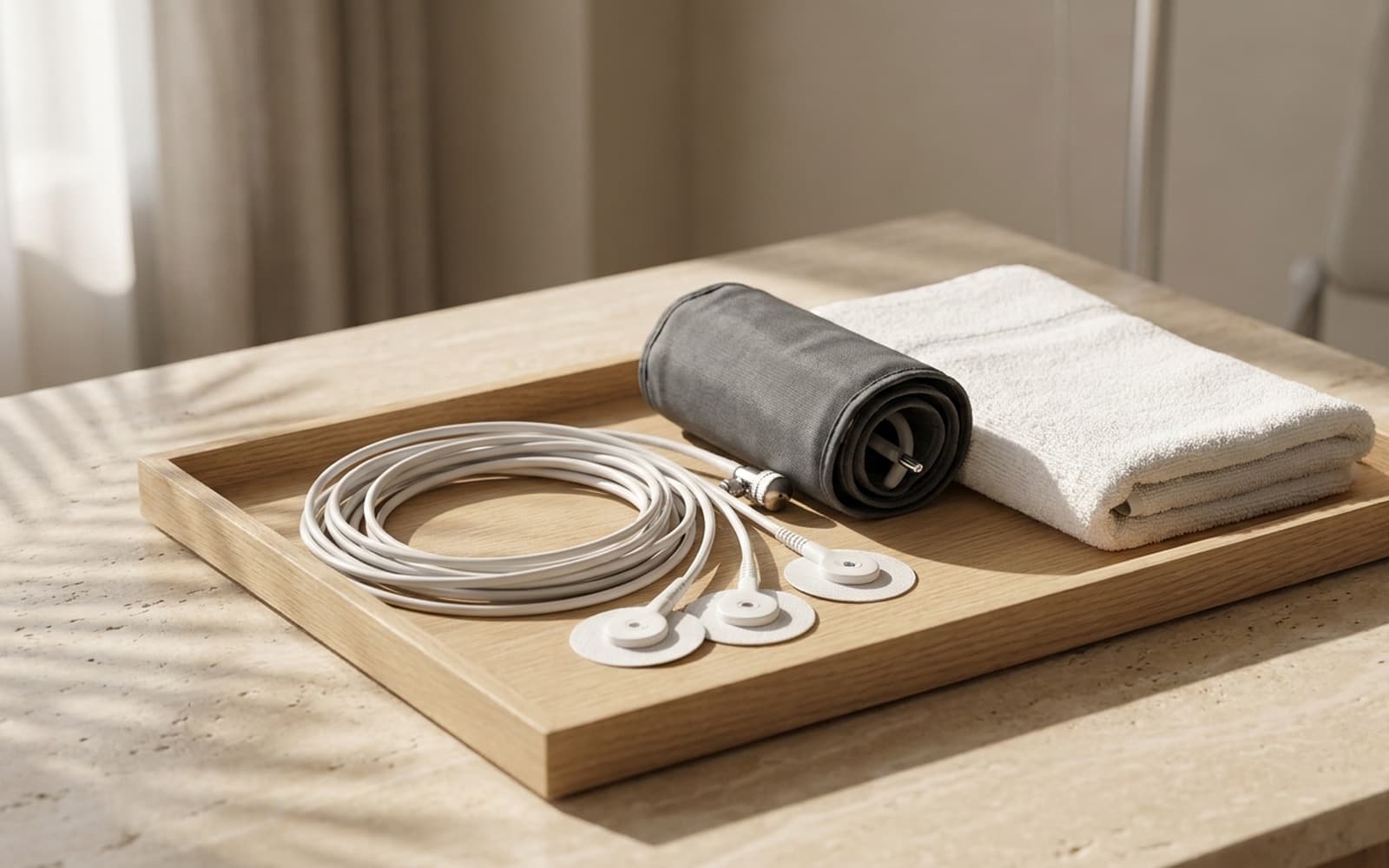
- A licensed medical facility with anesthesiologist-level cardiac monitoring, IV access, crash cart, and physicians on-site for the duration of dosing.
- A retreat environment — private rooms, healthy food, nature, attentive staff — that supports the body during a profoundly demanding experience.
- An integration framework that translates the insights surfaced during the experience into changes that survive the trip home.
When people search for ibogaine retreats in Mexico, what they're really looking for is this combination. Mexico is the most established jurisdiction for legal, regulated ibogaine work, and Cozumel — a small Caribbean island with a developed medical infrastructure and a reputation for tranquility — has become one of the most respected locations for it.
Why "Iboga Retreat" and "Ibogaine Retreat" Are Not the Same Thing
This is the most common confusion, and it has real safety implications.
- Iboga refers to the whole-plant root bark of Tabernanthe iboga, used in the Bwiti spiritual tradition of Gabon. Iboga ceremonies are typically religious, communal, and use unstandardized dosing.
- Ibogaine is a single purified alkaloid (most often the hydrochloride salt, ibogaine HCl) that can be precisely measured to milligram-per-kilogram dosing and used in a medical setting.
Both can be transformative. Only one can be standardized to a known dose, paired with continuous EKG monitoring, and adjusted for liver enzyme metabolism (CYP2D6) and QT interval risk. If your recovery depends on a predictable, medically managed experience — especially if you are coming off opioids, methadone, suboxone, or kratom — you need an ibogaine retreat, not an iboga ceremony. How ibogaine actually works at the receptor level is part of why standardized dosing matters: the molecule resets opioid receptors, modulates serotonin and NMDA systems, and triggers a sustained release of glial cell line-derived neurotrophic factor (GDNF) that supports long-term neuroplasticity.
What Conditions an Ibogaine Retreat Is Designed to Address
Ibogaine is best known for its almost unique ability to interrupt opioid dependence — a single flood dose can eliminate the bulk of acute withdrawal within hours, something no FDA-approved medication can replicate. But modern ibogaine retreat programs now serve a much wider range of guests:
- Opioid dependence — heroin, fentanyl, prescription pain medication
- Maintenance medications — methadone and suboxone tapering and transition
- Kratom dependence — increasingly common as kratom use scales
- Alcohol and cocaine use disorders
- Treatment-resistant depression — particularly when SSRIs have failed or caused intolerable side effects
- PTSD, cPTSD, and traumatic brain injury — building on the Stanford research showing meaningful symptom reduction in special operations veterans
- Parkinson's disease — where ibogaine's neurotrophic effects are being explored as a way to support dopaminergic function
For each of these, the retreat structure differs. An opioid guest needs a strict pre-treatment taper window; a depression guest needs an SSRI washout; a PTSD guest needs an experienced integration therapist on the back end. A real program won't apply a one-size protocol — and a real intake nurse will ask you a lot of questions before saying yes.
The Anatomy of a Safe Ibogaine Retreat
Here is what a thorough, physician-supervised ibogaine retreat looks like, in order of operations.
1. Pre-Screening and Medical Clearance
Before you ever book a flight, an authentic program will require:
- A 12-lead EKG with QTc interval measurement
- Comprehensive metabolic panel, liver function tests, and CBC
- Full medication and supplement disclosure (many SSRIs, stimulants, and even some herbal supplements are contraindicated)
- A psychiatric and substance history intake
- Cardiology clearance for anyone over 50, or anyone with cardiac history, hypertension, or electrolyte imbalances
If a program will accept you without these, that is the single biggest red flag in the industry. Ibogaine's main acute risk is cardiac — specifically QT prolongation that can lead to arrhythmia. Screening prevents the vast majority of adverse events.
2. Pre-Arrival Preparation
You'll receive a tapering protocol (especially for opioids and SSRIs), nutritional guidance, a magnesium and potassium loading window to normalize electrolytes, and a psychological preparation framework. The work begins weeks before you fly.
3. Arrival and In-Person Medical Evaluation
The first 24 to 48 hours on-site are not "the experience." They are a second round of medical clearance — repeat EKG, vitals, in-person physician interview — and an orientation to the facility, staff, and integration team. A good program will postpone or refuse treatment at this stage if anything has changed.
4. The Ibogaine Session
On treatment day, dosing is calculated in milligrams per kilogram of body weight and adjusted for sex, metabolism, and history. Most programs use a protocol that includes:
- A small test dose to confirm tolerance
- The main flood or staged dose
- Continuous cardiac telemetry for the entire active window (typically 24+ hours)
- A physician on-site, not on-call
- One-to-one or two-to-one sitter ratios
Some modern programs use a progressive booster protocol pairing total alkaloid (TA) and HCl to extend therapeutic effect while reducing cardiac load. Others pair ibogaine with 5-MeO-DMT in a synergistic sequence a few days later, after physiological recovery, to deepen the experiential and neuroplastic benefits.
5. Post-Session Recovery and Afterglow
The 72 hours after a flood dose are physically demanding. Ibogaine's noribogaine metabolite continues to circulate for days, producing an "afterglow" of clarity, emotional openness, and reduced cravings. Good retreats use this window for one-to-one therapy, somatic work, gentle movement, and structured rest — not for sightseeing.
6. Integration
Integration is the part of an ibogaine retreat that determines whether the experience produces lasting change or fades into a memorable trip. It includes:
- On-site therapy sessions before departure
- A written integration plan
- Aftercare check-ins (weekly for at least the first month)
- Referrals to therapists, recovery communities, and physicians at home
- Often NAD+ therapy, peptide protocols, or follow-up psychedelic sessions on a defined schedule
What an Ibogaine Retreat Is Not
It is not a vacation. It is not a ceremony in a thatched hut without monitoring. It is not a way to "skip" the work of recovery — it makes the work possible, but it does not do the work for you. And it is not a substitute for honest disclosure: hiding medications, prior heart issues, or recent substance use from the medical team is the single most dangerous thing a guest can do.
It is also not legally available in the United States. Ibogaine remains a Schedule I substance federally, which is why every legitimate U.S. resident traveling for treatment goes abroad — most often to Mexico, where ibogaine is unscheduled and clinics operate under Mexican medical regulation. (For full background on the legal landscape, see the complete 2026 ibogaine legal guide for the United States.)
Choosing an Ibogaine Retreat: A 10-Point Checklist
Use this before you put down a deposit anywhere:
- Are physicians on-site for the entire dosing window, or only on-call?
- Is there continuous EKG / cardiac telemetry, or only spot checks?
- Do they require a pre-arrival EKG, metabolic panel, and liver function tests?
- Is dosing calculated in mg/kg, or is it a fixed dose for everyone?
- What is the staff-to-guest ratio during treatment?
- Are SSRIs and other interactions properly tapered before arrival?
- What is their adverse event history, and will they discuss it openly?
- Is integration included, or sold as a separate "premium" add-on?
- Do they accept guests they shouldn't — anyone with money, no questions asked? (Red flag.)
- Will they refuse treatment on medical grounds even after you've arrived? (Green flag.)
The full safety framework for selecting a clinic — including the specific red flags to walk away from — is laid out in our complete guide to choosing an ibogaine clinic in Mexico.
Cost, Length, and What's Included
Authentic ibogaine retreats in Mexico typically run from 7 to 14 days and price in the range of a serious medical procedure — because that's what they are. A program that includes full medical clearance, physician supervision, continuous telemetry, integration therapy, and aftercare is structurally more expensive than an unsupervised ceremony, and the difference shows up in safety outcomes. A transparent breakdown of what's included in a complete ibogaine treatment program in 2026 is the right place to start when comparing programs.
Is an Ibogaine Retreat Right for You?
You are likely a strong candidate if:
- You've cycled through traditional treatment — rehab, MAT, SSRIs, talk therapy — and the underlying condition has not resolved
- You are willing to do honest medical disclosure and follow a pre-treatment protocol
- You can commit 2 to 4 weeks total (preparation + retreat + early integration) to the process
- You are medically cleared (or willing to do the screening to find out)
- You understand this is a serious medical intervention, not a wellness weekend
You are likely not a good candidate if you have uncontrolled cardiac disease, certain liver conditions, active psychosis, or are currently on medications that can't be safely tapered. A responsible program will tell you this on the intake call, not after you've paid.
Next Steps
If you've read this far, you are doing the work that a good ibogaine retreat begins with: research, honest self-assessment, and refusal to take a medical decision lightly. The next step is a conversation with a clinical intake team that will ask hard questions, request your medical history, and either confirm you are a candidate or tell you what needs to change first.
You can schedule a confidential consultation with the MindScape Retreat medical team to walk through your situation, your medications, and whether an ibogaine retreat in Cozumel is the right next step for you.
What separates an authentic ibogaine retreat from everything else is simple: the people running it act like your life is in their hands — because for 36 hours, it is.
Begin Your Journey
MindScape Retreat offers medically supervised ibogaine treatment in Cozumel, Mexico. Speak with our clinical team to learn if you are a candidate.