Interest in DMT retreats has surged over the past three years, driven by clinical research into rapid-acting psychedelics for depression, PTSD, and addiction. But "DMT retreat" can mean very different things depending on who is offering it — from underground ceremonies with no medical screening to structured, physician-supervised programs with cardiac monitoring and licensed clinical staff.
This guide explains what a DMT retreat actually involves, the critical difference between N,N-DMT and 5-MeO-DMT, what safety infrastructure a legitimate program must have, and how to evaluate providers before you commit.
What Is a DMT Retreat?
A DMT retreat is a multi-day program built around one or more guided sessions with dimethyltryptamine — most often 5-MeO-DMT, a short-acting tryptamine found in the secretions of the Sonoran Desert toad (Bufo alvarius) and also produced synthetically. Retreats typically include:
- Medical intake and screening (cardiac evaluation, medication review, psychiatric history)
- Preparation sessions to set intentions and explain what to expect
- The guided experience itself, lasting roughly 20 to 60 minutes
- Integration support in the days that follow, when insights are consolidated
Because DMT compounds remain controlled substances in the United States, legal retreats operate in jurisdictions like Mexico, where programs such as 5-MeO-DMT therapy at MindScape Retreat can be delivered under physician supervision.
N,N-DMT vs. 5-MeO-DMT: Know Which One You're Signing Up For
Many people searching for a "DMT retreat" don't realize there are two distinct molecules involved:
N,N-DMT is the compound found in ayahuasca and in vaporized "breakthrough" experiences. It produces vivid visual landscapes, entity encounters, and complex imagery. Sessions are intense but generally last 15–30 minutes when vaporized.
5-MeO-DMT is 4–6 times more potent by weight and produces something categorically different: rather than visual content, most people describe a complete dissolution of self — often called ego death or unity experience. Peer-reviewed research from Johns Hopkins has associated a single 5-MeO-DMT experience with sustained improvements in depression and anxiety symptoms.
Most structured retreats in Mexico center on 5-MeO-DMT because its short duration (20–45 minutes) allows for close one-on-one clinical attention throughout the entire experience. If you want to understand how this differs from longer-acting plant medicines, the psychedelic research library at MindScape breaks down the pharmacology in plain language.
Why Medical Supervision Is Non-Negotiable
5-MeO-DMT is physiologically safe for most healthy adults, but "most" is doing significant work in that sentence. A legitimate DMT retreat screens for:
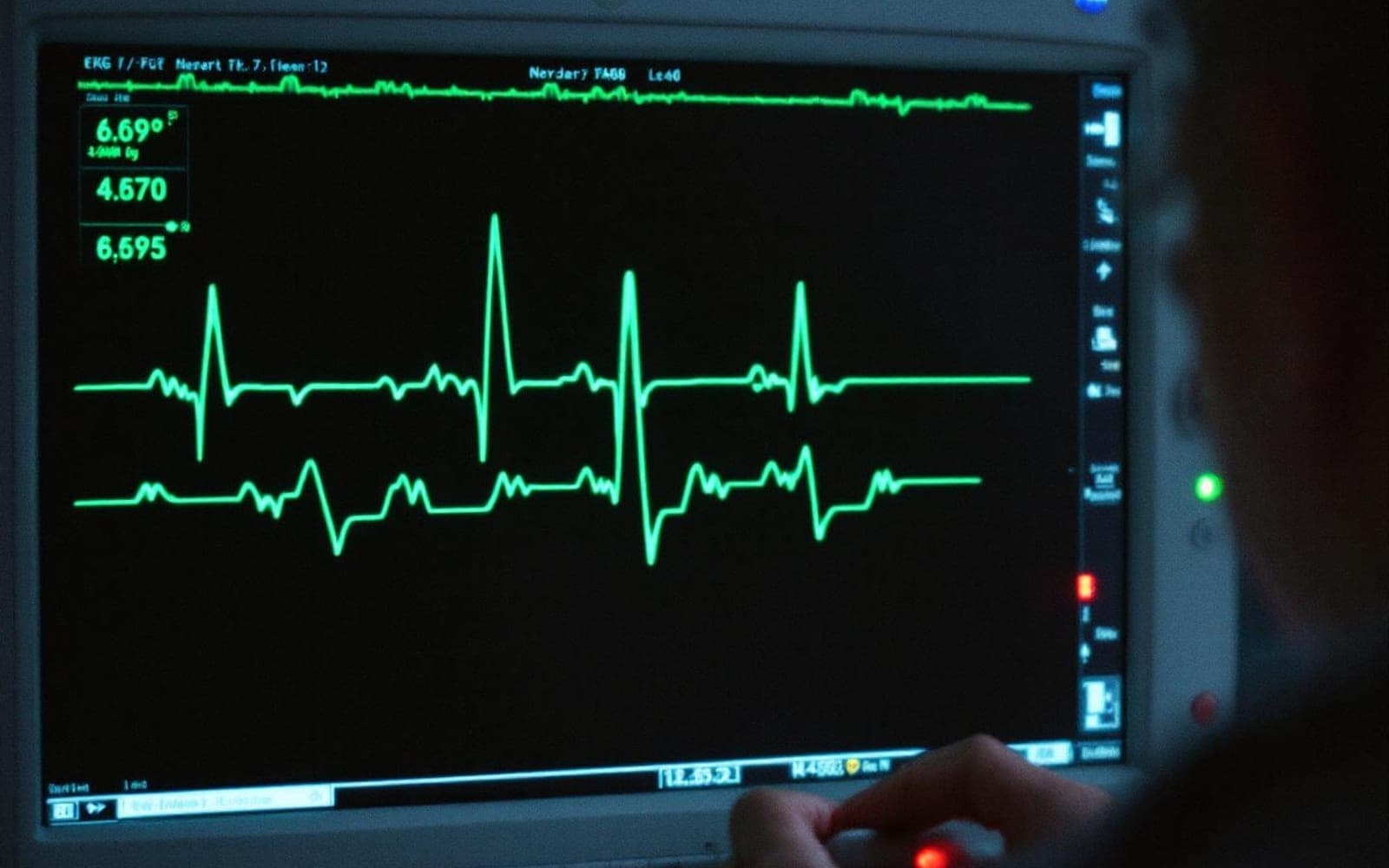
- Cardiovascular conditions. The experience produces a transient spike in heart rate and blood pressure. EKG screening should be standard.
- Medication interactions. SSRIs, SNRIs, MAOIs, and lithium all interact with tryptamines. Serotonergic medications generally require a supervised taper before treatment.
- Psychiatric contraindications. Personal or family history of psychosis or bipolar I disorder requires careful evaluation.
- Re-dosing protocols. Reputable facilitators never re-dose someone who is still in an altered state — a practice linked to nearly every serious adverse event reported with this medicine.
Programs that combine a medical director, on-site nursing, and emergency protocols — the model used for DMT treatment in Mexico at MindScape Retreat — are structured specifically around these risks. If a retreat you're evaluating cannot describe its screening process in detail, that is a disqualifying red flag.
What a Well-Run DMT Retreat Looks Like, Day by Day
While formats vary, a medically structured 5-MeO-DMT retreat generally follows this arc:
Before Arrival
Medical records review, EKG, bloodwork, and a medication taper plan if needed. This happens weeks in advance, not the day before.
Day 1: Arrival and Preparation
Physical exam, vitals, and a preparation session with clinical staff. You discuss intentions, fears, and what the experience may feel like. Breathwork and grounding techniques are usually taught here.
Day 2: The Session
Sessions happen in a controlled setting with a facilitator and medical staff present. Dosing typically follows a graduated protocol — a lower "handshake" dose first, then a full dose if appropriate. The acute experience lasts 20–45 minutes, followed by several hours of rest and observation.
Days 3–4: Integration
Structured integration sessions help translate the experience into concrete changes. Good programs also provide post-retreat integration calls, because research consistently shows integration support is what converts a powerful experience into durable outcomes.
DMT Retreat vs. Ayahuasca Retreat vs. Ibogaine Program
| Factor | 5-MeO-DMT Retreat | Ayahuasca Retreat | Ibogaine Program |
|---|---|---|---|
| Duration of experience | 20–60 minutes | 4–6 hours | 24–36 hours |
| Primary use case | Depression, anxiety, trauma, spiritual | Trauma, depression, self-exploration | Opioid/alcohol addiction interruption |
| Medical intensity required | Moderate–high | Moderate | Highest (cardiac monitoring essential) |
| Typical retreat length | 3–5 days | 5–10 days | 7–10 days |
Some centers offer combination protocols. For people addressing both addiction and underlying trauma, the synergistic ibogaine and 5-MeO-DMT protocol pairs ibogaine's addiction-interrupting effects with 5-MeO-DMT's capacity to resolve the emotional root causes — a sequence increasingly used with veterans and first responders.
"DMT Retreat Near Me" — Why Location Matters Less Than You Think
Because DMT compounds are Schedule I substances in the U.S., there are no legal DMT retreats operating domestically. Searching for a "DMT retreat near me" from anywhere in the United States realistically means comparing international destinations. Mexico has become the leading option for North Americans for three reasons:
- Legal clarity. 5-MeO-DMT is unregulated in Mexico, allowing licensed physicians to supervise treatment openly rather than underground.
- Accessibility. Cozumel and other retreat destinations are short, direct flights from most U.S. hubs.
- Medical infrastructure. Established programs operate with physicians, nurses, and hospital transfer agreements — infrastructure that underground U.S. facilitators cannot offer.
Cost of a DMT Retreat in 2026
Expect legitimate medically supervised 5-MeO-DMT retreats to range from $3,000 to $8,000+ depending on length, medical intensity, and accommodations. Be cautious at both extremes: bargain ceremonies often mean no medical screening, while price alone doesn't guarantee clinical quality. Review MindScape's plans and pricing for an example of what transparent, all-inclusive program pricing looks like — screening, treatment, lodging, and integration included with no surprise fees.
Questions to Ask Any DMT Retreat Before Booking
- Who is medically responsible during sessions — a licensed physician, or just a "facilitator"?
- What cardiac screening do you require, and who reviews it?
- How do you handle SSRI or other medication tapers?
- What is your re-dosing policy during a session?
- What emergency equipment and hospital access do you have on site?
- What does integration support look like after I go home?
- Can I speak with alumni or read verified reviews?
A trustworthy program answers all seven without hesitation. You can put these questions directly to the clinical team through MindScape Retreat's consultation page — a good test of any center is how thoroughly they answer before asking for a deposit.
What the Research Says About 5-MeO-DMT Outcomes
The clinical evidence base for 5-MeO-DMT is younger than that of psilocybin or MDMA, but the early signal is unusually strong for such a brief intervention:
- A 2019 Johns Hopkins survey of 362 adults found that among those with depression or anxiety, roughly 80% reported improvement following 5-MeO-DMT use, with improvements associated with the intensity of the mystical-type experience.
- A 2020 European field study measured significant increases in life satisfaction and mindfulness alongside decreases in depression and anxiety ratings, sustained at four-week follow-up after a single session.
- Ongoing pharmaceutical trials of synthetic 5-MeO-DMT formulations for treatment-resistant depression have reported rapid remission rates in early-phase data, prompting FDA breakthrough-style interest in the compound class.
Two caveats matter. First, most existing data comes from observational studies rather than randomized controlled trials, so effect sizes should be read cautiously. Second, outcomes in research settings consistently involve screened participants, controlled dosing, and structured support — the same variables that separate a medical retreat from an underground ceremony. The compound is not the treatment; the protocol is.
Preparation: What to Do in the Weeks Before a Retreat
Participants who arrive prepared consistently report smoother experiences and better integration. In the four to six weeks before a scheduled retreat:
- Complete medical requirements early. EKG, bloodwork, and medication reviews take time — especially if a supervised SSRI taper is needed, which can require four or more weeks on its own.
- Reduce stimulants and alcohol. Most programs ask for at least one to two weeks free of alcohol and recreational substances.
- Establish a contemplative baseline. Daily meditation, journaling, or breathwork makes the non-dual character of the 5-MeO-DMT experience less disorienting.
- Clarify intentions without scripting outcomes. The most common facilitator advice is to hold intentions loosely — the experience rarely follows the agenda you bring to it.
- Arrange your re-entry. Block two or three quiet days after returning home. Going straight from ego dissolution back into a Monday inbox undercuts integration.
Who Should Not Attend a DMT Retreat
Honest programs turn people away. Contraindications generally include uncontrolled cardiovascular disease, active psychosis or schizophrenia, recent stroke or seizure disorders, pregnancy, and current use of MAOIs or lithium that cannot be safely tapered. If a retreat accepts everyone who can pay, it is not screening — it is selling.
Frequently Asked Questions
Is a DMT retreat legal? Not in the United States. In Mexico, 5-MeO-DMT is unregulated, and physician-supervised retreats operate legally.
How long do the effects of a 5-MeO-DMT session last? The acute experience lasts 20–45 minutes, but many participants report mood and perspective shifts lasting weeks to months — which is why integration support matters.
Is 5-MeO-DMT addictive? No. Tryptamine psychedelics show no addiction potential in research; there is no withdrawal syndrome and tolerance builds so quickly that compulsive use is self-limiting.
How is a DMT retreat different from taking DMT recreationally? Screening, dosing precision, medical monitoring, and integration. The molecule is the same; the safety profile and outcomes are not.
The Bottom Line
A DMT retreat can be one of the most significant experiences of a person's life — the research on rapid, durable improvements in depression and trauma symptoms is genuinely promising. But outcomes track closely with the quality of the container: medical screening, physician supervision, conservative dosing protocols, and structured integration.
If you're comparing programs, start with the medical model. Learn how a physician-supervised program is structured at MindScape Retreat's DMT treatment program in Mexico, and treat any retreat that can't match that standard of screening and supervision as the risk it is.
Begin Your Journey
MindScape Retreat offers medically supervised ibogaine treatment in Cozumel, Mexico. Speak with our clinical team to learn if you are a candidate.