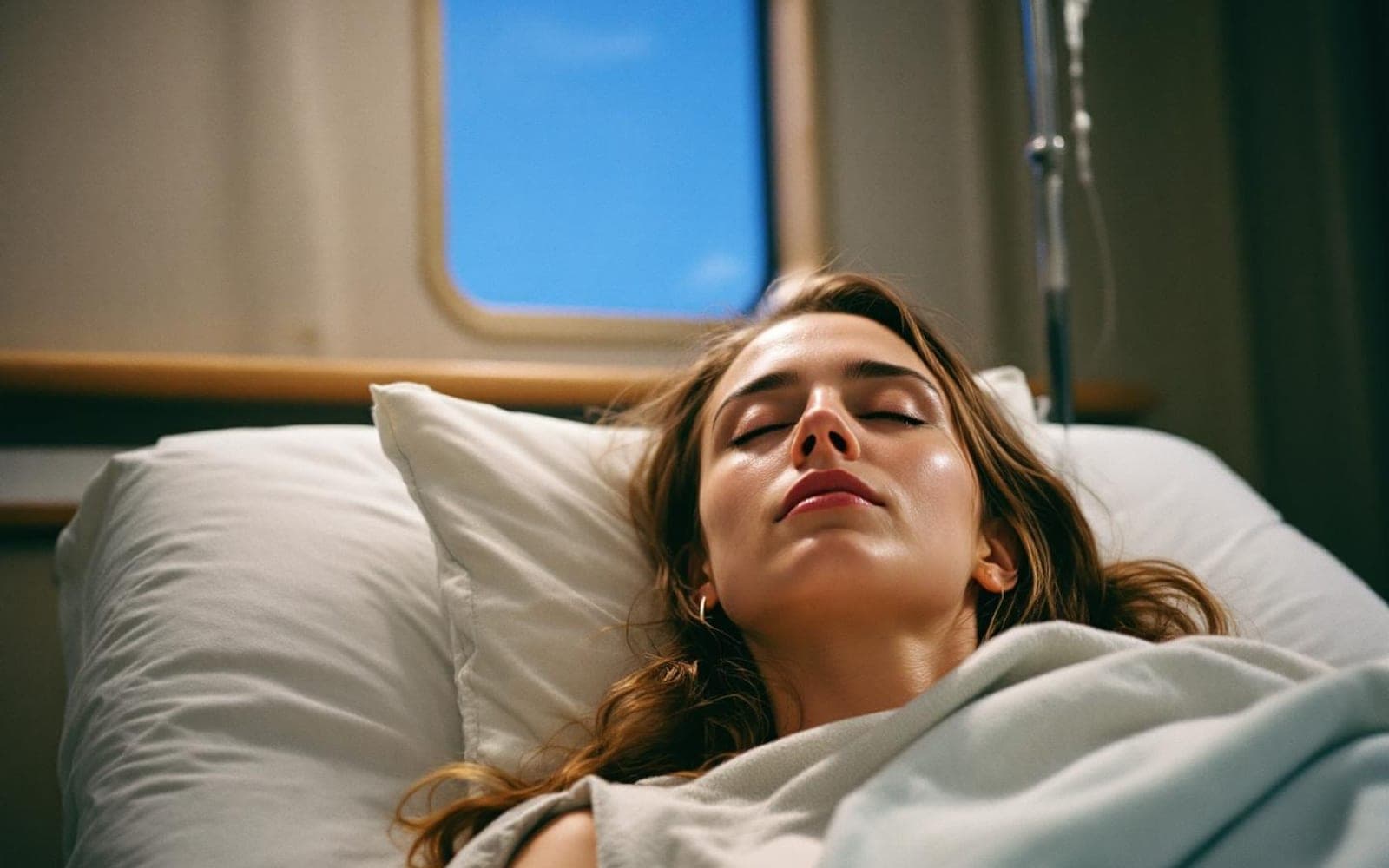
The conversation around plant medicine has moved from the fringe to the front page of medical journals. Two of the most powerful entheogens in the world — ayahuasca, the Amazonian brew, and ibogaine, the West African root extract — are now studied at Stanford, Johns Hopkins, and Mount Sinai. Both can produce profound psychological breakthroughs in a single session. Both have helped people overcome addiction, depression, PTSD, and existential despair after every conventional treatment failed.
But these medicines are not interchangeable. The neuropharmacology, the experience, the duration, the medical risk profile, and the conditions they treat best are radically different. Understanding the ayahuasca vs ibogaine distinction matters because choosing the wrong medicine for the wrong condition is at best a missed opportunity and at worst dangerous.
This guide breaks down the differences in plain language so you can have an informed conversation with a clinician about which path makes sense for you. For a deeper clinical comparison, our team has built a side-by-side breakdown of ibogaine vs ayahuasca therapy you can review alongside this article.
What Are Ayahuasca and Ibogaine?
Ayahuasca
Ayahuasca is a brewed tea made from two plants native to the Amazon basin: the Banisteriopsis caapi vine and the leaves of Psychotria viridis. The vine contains MAO inhibitors (harmine, harmaline, tetrahydroharmine). The leaves contain N,N-dimethyltryptamine (DMT). Drink them separately and the DMT is broken down in the gut. Drink them together and the MAOIs allow DMT to cross into the bloodstream and the brain, producing a 4–6 hour visionary state.
Ayahuasca has been used ceremonially for centuries by Indigenous peoples of Peru, Brazil, Colombia, and Ecuador. In the last two decades it has spread globally through religious churches like Santo Daime and the União do Vegetal, and through retreat centers in Costa Rica, Peru, and the Netherlands.
Ibogaine
Ibogaine is the principal alkaloid extracted from the root bark of Tabernanthe iboga, a shrub native to Gabon and Cameroon. In the Bwiti tradition, iboga has been used for over a thousand years in coming-of-age ceremonies and for connecting with ancestors. In the 1960s, a heroin user named Howard Lotsof took ibogaine recreationally, expected a typical psychedelic experience, and instead noticed his withdrawal symptoms had vanished and his cravings did not return for months.
That accidental discovery launched 60 years of clinical interest in ibogaine as an addiction-interrupter. Today, physician-supervised ibogaine treatment is offered in licensed clinics in Mexico and Costa Rica, with expanding clinical trial activity in the U.S., Australia, and Spain.
Mechanism of Action: Where the Two Diverge
This is the most important section, because mechanism predicts both the experience and the therapeutic application.
Ayahuasca
Ayahuasca's primary effect comes from DMT acting at the 5-HT2A serotonin receptor — the same receptor activated by psilocybin and LSD. The MAOIs in the vine also boost serotonin levels broadly. The experience is classically psychedelic: vivid visions, ego dissolution, emotional purging (often including physical vomiting, called la purga), and a sense of contact with intelligent presences.
Ibogaine
Ibogaine is a multi-target compound, and that is what makes it unique. It binds at:
- NMDA receptors (involved in addiction memory, similar to ketamine)
- kappa and mu opioid receptors (which is why it interrupts opioid withdrawal)
- sigma-2 receptors
- nicotinic acetylcholine receptors
- the serotonin transporter (a much weaker classical-psychedelic effect)
Ibogaine and its primary metabolite noribogaine also upregulate GDNF (glial cell-derived neurotrophic factor) and BDNF (brain-derived neurotrophic factor), driving the kind of neuroplasticity that allows entrenched behaviors and trauma circuits to be rewritten. We cover the full neurobiology in our explainer on how ibogaine works in the brain.
In practical terms: ayahuasca is a serotonergic psychedelic. Ibogaine is an oneirogen (a "dream-state generator") with strong anti-addictive properties that no other compound on Earth shares.
The Experience: What You Actually Feel
Ayahuasca Ceremony
A typical ayahuasca night runs 4–6 hours. After drinking the bitter brew, effects begin in 30–60 minutes. People commonly describe geometric visions, encounters with archetypal beings (jaguars, serpents, "Mother Ayahuasca"), and intense emotional waves. Physical purging — vomiting and diarrhea — is considered cleansing in tradition and is nearly universal. Most ceremonies are held in groups, in the dark, with a curandero singing icaros.
The experience tends to feel dynamic and visual. Insights arrive in symbolic form. Many people do 3–7 ceremonies over a week or two to integrate.
Ibogaine Treatment
An ibogaine flood dose lasts 24–36 hours and unfolds in distinct phases:
- Acute (first 4–8 hours): Patients lie still in a darkened room. Eyes closed, they enter a "waking dream" — autobiographical memories replay in reviewable, often non-linear sequence. Many describe it as watching a documentary of their own life with new context.
- Reflective (hours 8–20): Visions soften. A meditative, processing state takes over. Insights about relationships, decisions, and identity surface.
- Recovery (hours 20–36): Cognition returns. Withdrawal symptoms — for opioid patients — are typically gone. Sleep is delayed but eventually returns over the next few nights.
Ibogaine is not visually flashy like ayahuasca. It is introspective, autobiographical, and physically still. We've published an hour-by-hour walkthrough of the ibogaine experience for anyone considering it.
What Each Medicine Treats Best
Ayahuasca's Strongest Use Cases
- Existential rumination and meaning-making
- Mild-to-moderate depression, especially when paired with retreat and integration
- Grief
- Spiritual deepening and creativity work
A small but growing literature suggests ayahuasca has antidepressant effects, but it is not a reliable treatment for opioid dependence, severe alcohol use disorder, or stimulant addiction.
Ibogaine's Strongest Use Cases
Ibogaine has the strongest real-world track record of any single compound for:
- Opioid use disorder (heroin, fentanyl, oxycodone, methadone, suboxone). The opioid crisis is where ibogaine first proved itself, and our opioid addiction treatment program is built around it.
- PTSD and traumatic brain injury. Stanford's 2024 study of Special Operations veterans showed an 88% reduction in PTSD symptoms one month after a single ibogaine session.
- Treatment-resistant depression, particularly when conventional antidepressants and ketamine have failed.
- Stimulant and alcohol dependence — though typically requiring booster dosing.
Ibogaine vs Ayahuasca for Alcoholism
This is a frequent question. Both medicines have been used for alcohol use disorder, but they work very differently. Ayahuasca tends to surface the emotional roots of drinking — childhood patterns, grief, identity. Ibogaine interrupts the physiological dependence at the receptor level, then opens a window of neuroplasticity for the psychological work. For severe, long-standing alcohol dependence — especially with co-occurring depression — ibogaine generally produces more reliable, durable cessation, particularly when followed by structured aftercare. Our clinical team treats this directly in our alcohol and dual-addiction program.
Safety: The Honest Comparison
This is where the ayahuasca vs iboga comparison gets most serious. Both medicines deserve respect. Their risk profiles are different.
Ayahuasca Risks
- Serotonin syndrome if combined with SSRIs, SNRIs, MAOIs, tramadol, or certain migraine drugs
- Cardiac stress in people with severe hypertension or underlying heart disease
- Psychiatric destabilization in patients with personal or family history of psychotic disorders or bipolar I
- Unregulated retreat settings without medical screening
Ibogaine Risks
- QT-interval prolongation — ibogaine slows certain cardiac potassium channels and can cause arrhythmia in unscreened patients
- Drug-drug interactions — methadone, long-acting opioids, and many psychiatric medications must be cleared or carefully tapered
- Fatal events have occurred almost exclusively in unsupervised settings without ECG monitoring, electrolyte management, or proper medical screening
The takeaway: ibogaine performed in a licensed clinic — with cardiac clearance, IV access, continuous telemetry, and an emergency physician on site — has a safety record comparable to many surgical anesthesia events. Ibogaine taken in a hotel room without monitoring has killed people. The difference is medical context, which is why choosing an ibogaine clinic carefully is the single biggest decision a prospective patient makes.
Cost and Logistics
| Factor | Ayahuasca Retreat | Ibogaine Treatment |
|---|---|---|
| Typical length | 5–10 days | 7–10 days |
| Number of sessions | 3–7 ceremonies | 1 flood dose ± boosters |
| Medical screening | Often minimal | ECG, bloodwork, liver panel required |
| Licensed clinic available | Rare (mostly retreat model) | Yes, in Mexico and Costa Rica |
| Typical all-in cost | $1,500–$5,000 | $8,000–$15,000 |
| Insurance coverage | None | None (yet) |
For a transparent breakdown of program inclusions, see our plans and pricing page.
Integration: The Step Most People Underestimate
Neither medicine "fixes" you. Both open a window. What you do with that window — therapy, lifestyle change, community, sometimes follow-up dosing like 5-MeO-DMT or NAD+ — determines durability of outcome. Ibogaine in particular drives a 4–8 week neuroplastic window during which new patterns install more easily than at any other time in adult life. Wasting that window is the most common reason people relapse. Aftercare and integration are not optional; they are the second half of treatment.
Which One Is Right for You?
Choose ayahuasca if you are seeking spiritual exploration, meaning-making, grief work, or adjunctive support for moderate depression — and you have no contraindicated medications.
Choose ibogaine if you are facing:
- Opioid dependence (especially fentanyl, methadone, or suboxone)
- Severe alcohol or stimulant use disorder
- PTSD, complex trauma, or traumatic brain injury
- Treatment-resistant depression after multiple medication failures
- Long-term SSRI use you want to safely transition off
Both medicines deserve respect. Neither is a shortcut. Both work best in skilled hands.
If you want to talk through whether ibogaine is appropriate for your situation, you can schedule a confidential consultation with our medical team and we'll walk through your medical history, current medications, and goals before discussing any treatment plan.
Begin Your Journey
MindScape Retreat offers medically supervised ibogaine treatment in Cozumel, Mexico. Speak with our clinical team to learn if you are a candidate.