Florida has one of the highest rates of opioid overdose deaths in the United States, and a long history of treatment-resistant addiction cases coming out of Miami, Fort Lauderdale, Tampa, Jacksonville, and Orlando. So it is not surprising that "ibogaine treatment florida" is one of the most searched recovery queries coming out of the Sunshine State. Patients who have cycled through detox, methadone clinics, suboxone scripts, and 28-day rehab programs are looking for something that actually works on the underlying neurochemistry of dependency.
The honest answer for Florida residents is this: ibogaine is not legally available inside Florida, but it is fully legal, physician-supervised, and clinically organized in Cozumel, Mexico — a 90-minute flight from Miami. This article explains the legal status of ibogaine in Florida, why so many Floridians choose Cozumel for treatment, what the trip looks like end to end, and how to evaluate a clinic before you commit.
If you are ready to talk through your medical history with a real intake team, you can begin with our physician-supervised ibogaine programs at MindScape Retreat — the same page Florida-based patients use to start their evaluation.
Is Ibogaine Legal in Florida?
Ibogaine is a Schedule I controlled substance under United States federal law. That classification covers all 50 states, including Florida. There is no licensed, legal ibogaine clinic operating inside Florida, no Florida-based MD who can prescribe it, and no FDA-approved ibogaine product on the market as of 2026.
What this means in practice for Florida residents:
- You cannot legally receive ibogaine treatment inside the state.
- Any provider advertising "ibogaine in Miami" or "ibogaine clinic Florida" without specifying an offshore medical facility should be treated with serious skepticism.
- Underground or "guided" ibogaine sessions held in private residences carry significant cardiac risk and are not recommended.
Texas has invested $50 million in ibogaine clinical research, Kentucky has explored opioid settlement funding for ibogaine, and Colorado's regulated psychedelic framework continues to evolve. Florida has not yet followed. For now, the legitimate, medically supervised pathway for Florida residents lives outside the U.S. — primarily in Mexico, where ibogaine is unscheduled and clinics can operate legally with licensed physicians.
For a deeper look at the federal and state-level picture, the complete 2026 ibogaine legal guide breaks down where things stand and where they are heading.
Why Florida Residents Choose Cozumel for Ibogaine
Cozumel sits a short flight from every major Florida airport. Miami to Cozumel runs about 90 minutes. Fort Lauderdale, Tampa, and Orlando all have direct or one-stop options. For a patient who is already physically dependent on opioids and cannot tolerate a long, layover-filled trip, that proximity matters more than most people realize.
Beyond the geography, Florida residents tend to choose Cozumel for four practical reasons:
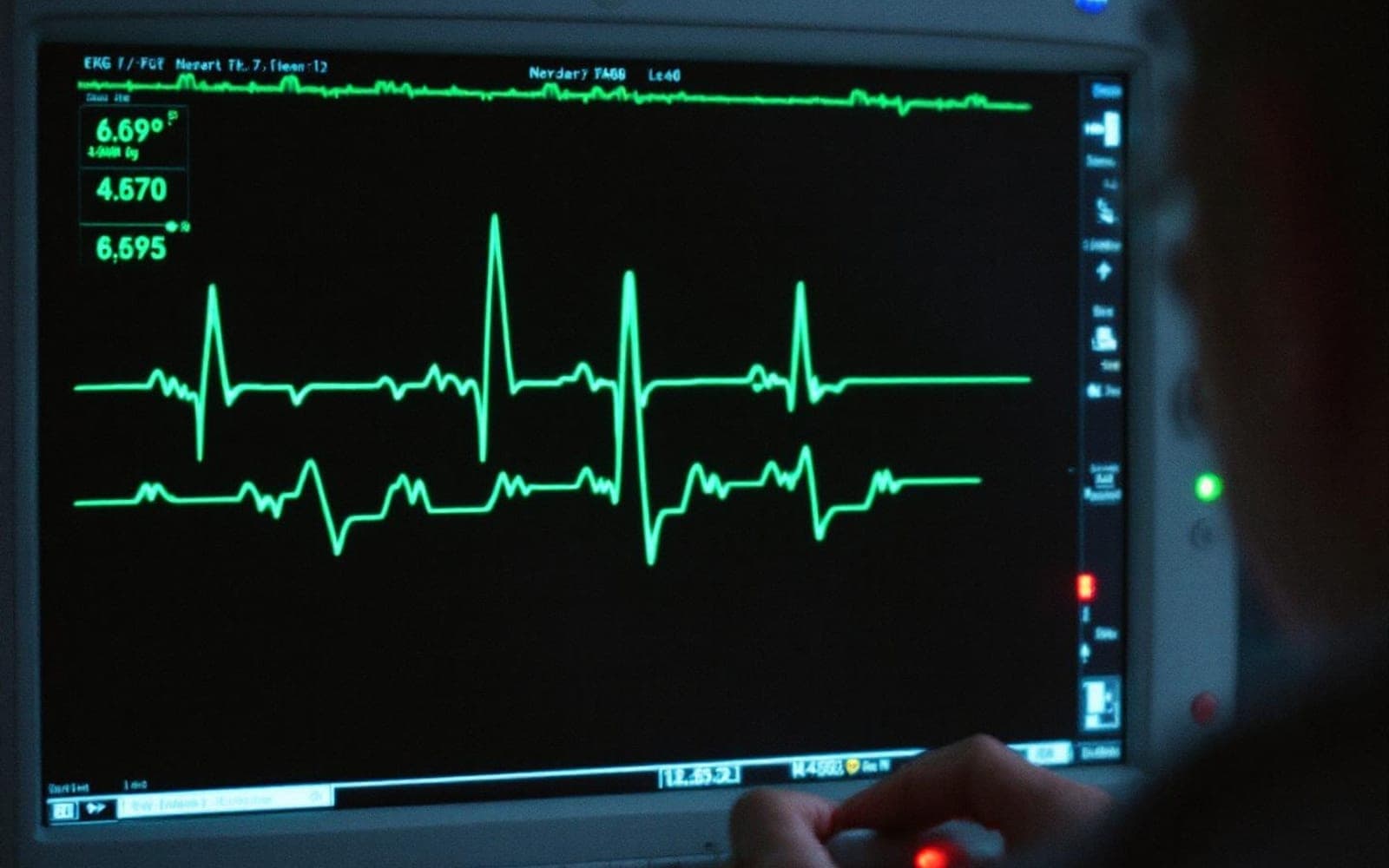
- Medical-grade screening. A reputable Cozumel clinic runs a full cardiac workup before treatment — 12-lead ECG, comprehensive metabolic panel, liver function, electrolyte balance — because ibogaine prolongs the QT interval and can be dangerous for patients with undiagnosed heart conditions.
- Physician supervision throughout dosing. Ibogaine sessions last roughly 24 to 36 hours of active experience. During that window, continuous cardiac telemetry and a present medical team are non-negotiable.
- Integration support. The neurological "reset" from ibogaine creates an unusual window of plasticity. Without structured integration in the days that follow, much of that opportunity is lost.
- A real treatment environment, not a retreat-spa hybrid. Florida patients with severe opioid, alcohol, methadone, or suboxone dependency need a clinical setting, not a wellness vacation. The two are not the same.
You can read more about how the protocol actually unfolds in our hour-by-hour guide to the ibogaine experience.
What Conditions Florida Patients Treat with Ibogaine
The Florida search volume for ibogaine is heavily weighted toward opioid use disorder, but the actual patient mix arriving from Florida airports is broader than that. Common presenting conditions include:
- Opioid dependency — heroin, fentanyl, oxycodone, hydrocodone, and increasingly fentanyl-laced street pills.
- Methadone and suboxone dependency, where patients have been stable on MAT for years but want off the medication permanently. This requires a longer pre-treatment taper and is one of the more complex protocols in the field.
- Alcohol use disorder, often co-occurring with benzodiazepine dependency.
- Treatment-resistant depression in patients who have failed multiple SSRI trials, ketamine therapy, or TMS.
- PTSD and complex PTSD, particularly in Florida's large veteran population — a use case that gained national attention after Stanford's 88% PTSD reduction study in special operations veterans.
- Traumatic brain injury alongside PTSD, common in post-9/11 veterans and former first responders.
Each indication has a different protocol, dose range, and risk profile. The same dose that interrupts heroin dependency is not the dose used for treatment-resistant depression, and the screening required for a long-term methadone patient is more demanding than for a recreational fentanyl user.
The Florida-to-Cozumel Treatment Timeline
For most Florida residents, the full arc looks like this:
Weeks 4 to 8 before treatment — Medical intake. A clinical coordinator collects medical history, current medications, substance use history, prior treatment attempts, and recent labs. This is where SSRI tapers, benzodiazepine tapers, and methadone-to-short-acting transitions are mapped out. Lexapro, Zoloft, Prozac, and Effexor each have specific washout requirements before ibogaine can be safely administered.
Week 1 before treatment — Final clearance. Repeat ECG, repeat labs, and a final cardiology review. Patients also receive a packing list, pre-arrival nutrition guidance, and a bridging plan if they are still using opioids in the days leading up to the flight.
Treatment week — Cozumel. Day 1: arrival, medical re-evaluation in person, baseline vitals, light food. Day 2 or 3: dosing day. Continuous cardiac monitoring through the active phase. Days following dose: rest, light integration, additional supportive treatments such as 5-MeO-DMT for some patients, and one-on-one work with the integration team.
Weeks 2 to 12 after treatment — Integration. This is the phase Florida patients most often underestimate. The neuroplasticity window after ibogaine is real, and what happens in the first 8 to 12 weeks back home matters more than what happens during the dose itself. Structured aftercare, sober living when appropriate, therapy, and continued contact with the clinic team are all part of a serious protocol.
"Ibogaine Treatment Near Me" — What That Search Really Means
When someone in Miami types "ibogaine treatment near me," what they usually want is not a clinic on Brickell Avenue. They want a clinic that is accessible — close enough to fly to, fluent in their language and insurance situation, run by physicians who can read U.S. medical records, and serious about safety. By that definition, Cozumel is "near me" for almost every Floridian. The flight is shorter than driving from Miami to Tallahassee.
Our near-me Florida treatment page is built specifically for this audience: it covers transit, what to bring across the border, how the medical handoff from your U.S. physician works, and how to coordinate with family members staying behind in Florida.
How to Evaluate an Ibogaine Clinic from Florida
Before you wire a deposit, run any clinic — including ours — through the same checklist:
- Cardiac protocol. Do they require a recent 12-lead ECG and address QT-prolonging medications before treatment? If the answer is vague, walk away.
- Physician on site during dosing. Not "on call." On site, in the room, watching telemetry.
- Magnesium and electrolyte loading. This is a basic safety standard for ibogaine and a quick way to tell whether a clinic understands the pharmacology.
- Medication review. SSRIs, SNRIs, MAOIs, certain antibiotics, and methadone all interact with ibogaine. A clinic that does not ask for your full medication list is not running a medical program.
- Integration plan. What happens after dose day? What does week 4 look like? Week 8?
- Transparent pricing. A reputable program publishes program packages and what they include. Hidden fees and "upgrades" once you arrive are a red flag.
Our team has written a longer breakdown of these criteria in our guide to choosing an ibogaine clinic in Mexico, which Florida patients regularly use as a side-by-side comparison tool.
What Florida Families Should Know
Most ibogaine patients do not arrive in Cozumel alone. A spouse, parent, or adult child usually flies with them. For Florida families, a few practical notes:
- Companions are welcome at our facility but typically stay in nearby accommodations during the active dosing window so the medical team can do their work.
- Communication during the dose is limited by design — the experience is internal and any interruption can be disorienting. Families receive structured updates from the clinical team.
- Re-entry to Florida is often the hardest week. Pre-planning that week — who picks the patient up at MIA, what the home environment looks like, whether there is a sober living step-down — is part of a serious treatment plan, not an afterthought.
Cost Considerations for Florida Patients
Florida insurance does not currently reimburse ibogaine treatment, since the substance remains federally Schedule I. Patients should plan on the program fee being out-of-pocket, plus airfare and a companion travel budget. Our 2026 ibogaine treatment cost guide breaks down what a realistic all-in number looks like and how it compares to a year of methadone maintenance, repeated 28-day rehabs, or ongoing fentanyl use.
The Bottom Line for Florida Residents
There is no legal ibogaine clinic in Florida in 2026, and there will not be one in the near future. What there is — a 90-minute flight away — is a fully legal, physician-supervised, medical-grade ibogaine program designed for exactly the kinds of cases Florida sends our way: long-term opioid users, methadone and suboxone patients ready to be done, veterans with PTSD and TBI, and patients with treatment-resistant depression who have run out of options at home.
If you are at that point, the next step is not another web search. It is a conversation with a clinical coordinator who can review your medications, your history, and your timeline. You can contact MindScape Retreat to schedule a consultation and start that process today.
Florida deserves real options. Until federal scheduling changes, those options live in Cozumel — and they are within reach.
Begin Your Journey
MindScape Retreat offers medically supervised ibogaine treatment in Cozumel, Mexico. Speak with our clinical team to learn if you are a candidate.