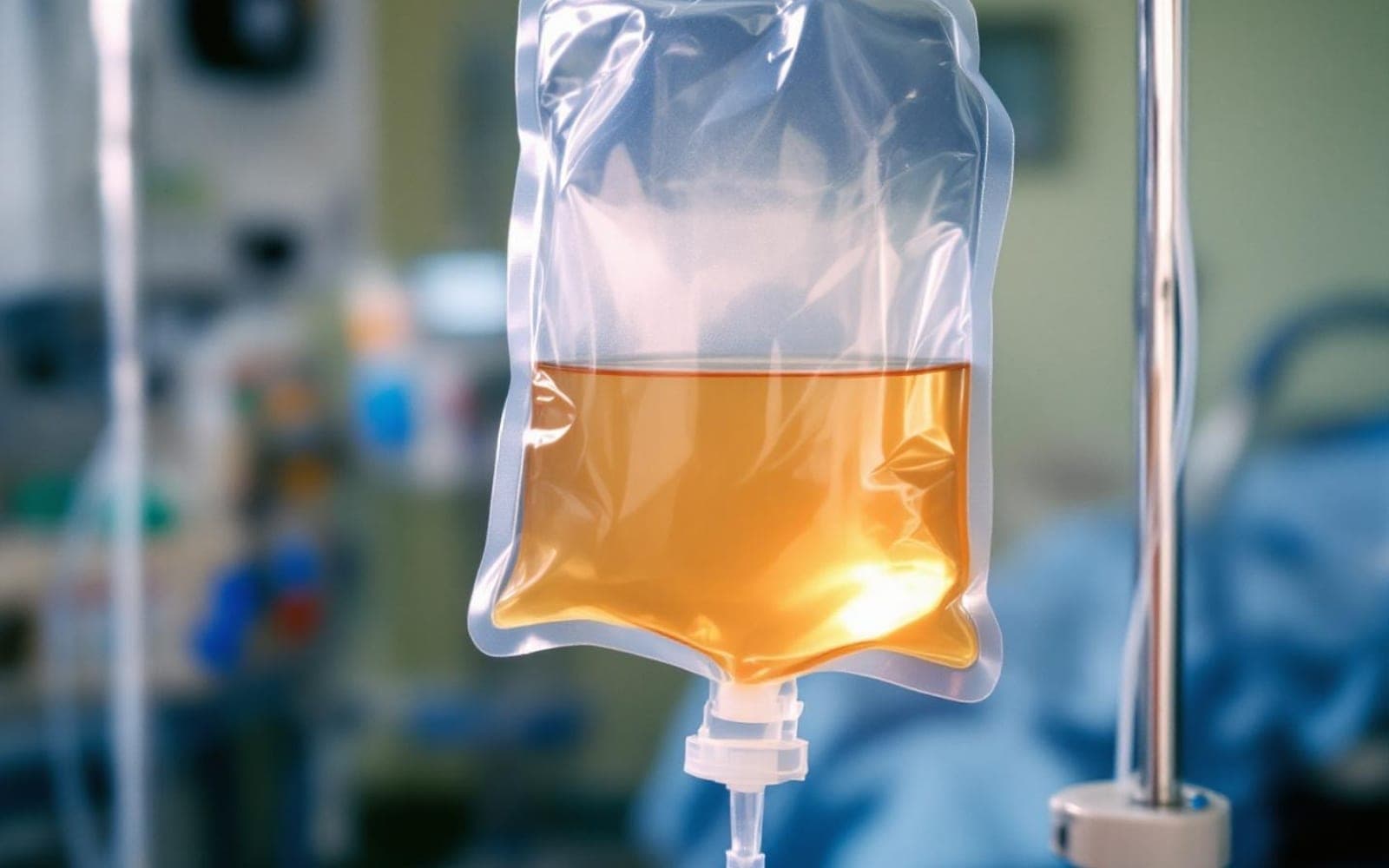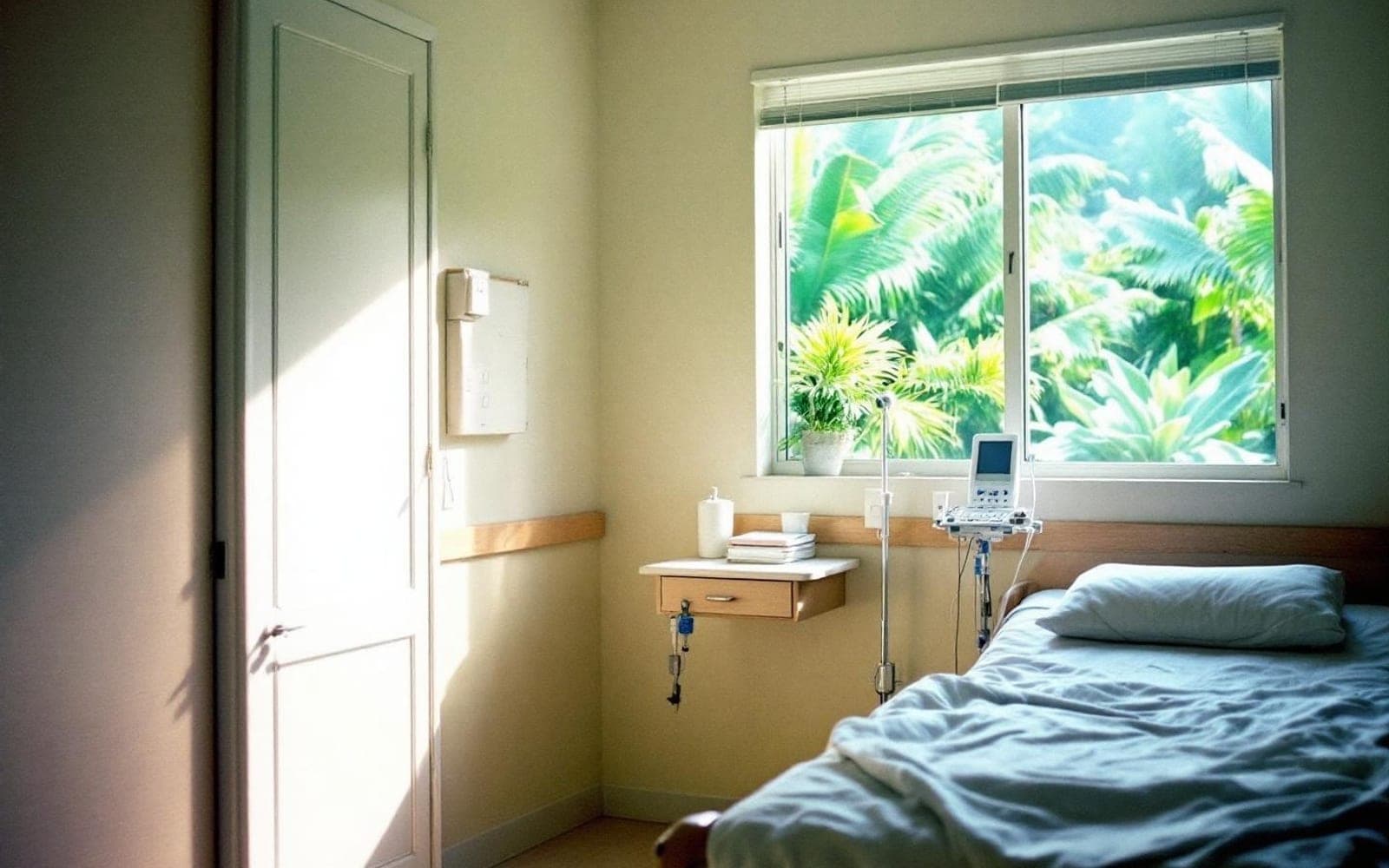
Every year, thousands of Americans board flights to Mexico for a treatment they cannot legally access at home. Ibogaine — a naturally occurring psychoactive alkaloid derived from the root bark of the African Tabernanthe iboga shrub — remains a Schedule I substance in the United States. In Mexico, it occupies an unregulated legal status that allows licensed physicians to administer it in clinical settings. The result is a well-established medical travel corridor, and for people battling opioid dependence, treatment-resistant depression, PTSD, or alcohol addiction, that corridor often represents the last exit after years of failed conventional care.
This guide explains how ibogaine treatment in Mexico actually works, what separates a legitimate medical program from a risky operation, and what patients should expect before, during, and after treatment.
Why Mexico Became the Center of Ibogaine Therapy
The story is fundamentally regulatory. After early American research into ibogaine's anti-addictive properties stalled in the 1990s, clinical development moved offshore. Mexico's proximity to the U.S., its established medical tourism infrastructure, and its permissive legal environment made it the natural home for the treatment.
Today, Mexico hosts the largest concentration of ibogaine providers in the world. The best of them operate as genuine medical facilities: cardiologist screening before admission, continuous ECG monitoring during dosing, advanced cardiac life support (ACLS)-certified staff on site, and emergency protocols rehearsed rather than merely written down. MindScape Retreat's ibogaine treatment program in Cozumel was built around exactly this physician-supervised model, pairing clinical rigor with a private retreat setting on the island's Caribbean coast.
The distinction matters because ibogaine is not a casual medicine. It prolongs the QT interval of the heart, which is precisely why medical screening and monitoring are non-negotiable — and why the underground, unsupervised use that occurs in the U.S. carries risks that a properly run Mexican clinic is designed to eliminate.
What Ibogaine Does That Conventional Treatment Doesn't
Most addiction medicine manages symptoms. Methadone and Suboxone substitute one opioid for another. SSRIs blunt depressive symptoms for as long as you keep taking them. Ibogaine works differently on two levels.
Neurochemically, ibogaine and its long-acting metabolite noribogaine interact with multiple receptor systems simultaneously — opioid, serotonin, sigma, and NMDA receptors among them. For opioid-dependent patients, the most dramatic effect is the interruption of withdrawal: many people who arrive in active dependence report that post-acute withdrawal symptoms are reduced by 80–90% or eliminated within hours of dosing. Ibogaine also appears to upregulate GDNF and BDNF, neurotrophic factors associated with neuroplasticity — essentially reopening a window in which the brain can rewire entrenched patterns. A deeper explanation of how ibogaine works at the receptor and neurotrophic level is worth reading before committing to treatment.
Psychologically, ibogaine produces a waking-dream state lasting 8–12 hours in which many patients experience a panoramic life review. People consistently describe confronting the root memories and traumas underneath their addiction — not as abstract insight, but as vivid, emotionally resolved experience. This is why ibogaine is increasingly used beyond addiction, for PTSD, traumatic brain injury, and depression. Stanford's 2024 study of special-operations veterans found an 88% reduction in PTSD symptoms following magnesium-ibogaine treatment, results that pushed the compound into mainstream research conversations and helped drive Texas's $50 million state-funded ibogaine research initiative.
What a Legitimate Mexican Ibogaine Clinic Looks Like
Not all providers are equal, and the gap between the best and worst is enormous. When evaluating ibogaine treatment in Mexico, insist on every item below.
1. Comprehensive medical screening before you travel
A serious clinic screens before it books. Expect to provide an ECG, comprehensive blood panel (including liver function and electrolytes), and full medication history. QT-prolonging medications, certain psychiatric drugs, and specific cardiac conditions are absolute contraindications. If a provider is willing to dose you without an ECG review by a physician, walk away — that is the single clearest red flag in this field.
2. Physician supervision and cardiac monitoring during treatment
Ibogaine's cardiac effects are manageable in a monitored setting and dangerous outside one. Continuous ECG telemetry, IV access, on-site ACLS-certified medical staff, and proximity to a hospital are the baseline standard of care. Programs that treat ibogaine as a purely shamanic ceremony without medical infrastructure are asking patients to accept avoidable risk.
3. Proper medication tapering protocols
SSRIs, SNRIs, and long-acting opioids like methadone require structured tapering before ibogaine is safe. A responsible clinic builds this timeline with you weeks in advance rather than improvising on arrival.
4. Structured integration and aftercare
The ibogaine experience opens a neuroplastic window lasting weeks. What you do inside that window largely determines long-term outcomes. Look for programs that include integration therapy, follow-up scheduling, and a concrete aftercare plan rather than a handshake at the airport.
MindScape publishes a detailed clinic safety checklist for choosing an ibogaine treatment provider that walks through these criteria — including the red flags — in depth. Use it to evaluate any clinic you're considering, including MindScape itself.
Why Cozumel Specifically
Most Mexican ibogaine clinics cluster in Tijuana and the Baja corridor, where proximity to San Diego keeps logistics simple. Cozumel offers a different model, and for many patients a better one.
The island sits off the coast of the Riviera Maya, reachable by direct international flights into Cozumel or Cancun. Its advantages for treatment are practical rather than cosmetic. The environment is genuinely removed from triggers — a contained island rather than a border city. Recovery days happen next to the Caribbean rather than behind clinic walls, which matters more than it sounds: ibogaine treatment is physically and emotionally demanding, and the days after a flood dose are when a calm, restorative setting earns its keep. And a smaller-capacity retreat model means clinical attention is concentrated on a handful of patients at a time rather than distributed across a high-volume facility.
For patients traveling with a spouse or partner, retreat-style programs also accommodate shared stays and, where clinically appropriate, parallel treatment tracks — an option almost never available in hospital-style settings.
What Treatment Costs and What Determines the Price
Ibogaine treatment in Mexico typically ranges from $5,000 to $15,000+ depending on program length, medical intensity, and accommodation. Detox cases (opioids, alcohol) cost more than psycho-spiritual programs because they require longer stays and heavier medical management. Multi-week programs that include booster dosing, extensive pre-treatment stabilization, or adjunct therapies like 5-MeO-DMT sit at the upper end.
Be suspicious of prices dramatically below this range — medical staffing, cardiac monitoring equipment, and physician screening cost real money, and providers charging $2,500 are cutting one of them. MindScape's treatment plans and pricing page breaks down what each program tier includes, so you can compare like for like.
A Realistic Treatment Timeline
Weeks 3–6 before arrival: Application, medical records review, ECG and bloodwork, medication tapering plan if needed.
Days 1–2: Arrival, in-person medical evaluation, IV hydration and stabilization. Opioid-dependent patients are transitioned to short-acting medication.
Dosing day: Test dose, then the flood dose under continuous cardiac monitoring. The acute experience lasts 8–12 hours, followed by a processing phase of a day or more of introspective "grey day" recovery.
Days after: Rest, integration sessions, light activity, and in many programs a second-phase or booster protocol to consolidate results.
After departure: Structured aftercare — integration therapy, community support, and follow-up with the clinical team. Ibogaine interrupts addiction; integration is what sustains recovery.
Preparing for Treatment: Practical Steps Before You Fly
Once you've chosen a program, preparation determines how smooth the experience is. Four things deserve attention in the weeks before travel.
Medical honesty. The screening process only protects you if the information you provide is complete. Undisclosed benzodiazepine use, hidden cardiac history, or "forgotten" medications are the most common causes of treatment-day complications. Clinics have seen everything — full disclosure changes your protocol, not your acceptance.
Medication tapering, done properly. If you take SSRIs, SNRIs, or long-acting opioids, your clinic should build a supervised tapering schedule with you well before arrival. Abrupt discontinuation of antidepressants is its own medical event; a good program manages the timeline so you arrive stable, not white-knuckling withdrawal in an airport.
Logistics. U.S. and Canadian citizens need only a valid passport for Mexico. Flights into Cozumel (CZM) or Cancun (CUN) are direct from most major U.S. hubs. Plan for zero obligations in the week after you return home — the post-treatment window is not the time to step back into a high-stress schedule.
Intention work. Patients who arrive with clear written intentions — what they want to understand, what they're ready to release — consistently report deeper, more organized experiences. It's the cheapest outcome-booster in the entire process.
Frequently Asked Questions
Is ibogaine treatment legal in Mexico? Yes. Ibogaine is unregulated in Mexico, meaning licensed physicians may administer it in clinical settings. It remains Schedule I in the United States, which is why treatment requires travel.
Is ibogaine safe? In a properly screened, medically monitored setting, ibogaine's risks are managed the way any serious cardiac-active medicine is managed. Nearly all documented fatalities involve unscreened patients, pre-existing cardiac conditions, concurrent drug use, or unsupervised settings. Screening and monitoring are the difference.
Does one treatment cure addiction? Ibogaine reliably interrupts physical dependence and gives most patients a profound psychological reset. Long-term recovery depends on integration, aftercare, and life changes made during the neuroplastic window. Some patients benefit from booster protocols.
Can ibogaine help conditions other than addiction? Growing evidence supports its use in PTSD, traumatic brain injury, treatment-resistant depression, and anxiety. The Stanford veterans study is the most prominent recent example, and clinical research funding is expanding rapidly.
The Bottom Line
Ibogaine treatment in Mexico exists because regulation, not science, keeps it out of American hospitals. For patients who have exhausted methadone tapers, rehab cycles, and antidepressant rotations, a physician-supervised program in Mexico offers something conventional medicine currently can't: a single, medically managed intervention that interrupts addiction at the neurochemical root while opening a genuine window for psychological repair.
The variable that matters most is the provider. Demand cardiac screening, physician supervision, transparent pricing, and structured aftercare — and choose a setting where you can actually heal. If you're ready to explore whether treatment is right for you, schedule a confidential consultation with the MindScape Retreat medical team to review your medical history and candidacy.
Begin Your Journey
MindScape Retreat offers medically supervised ibogaine treatment in Cozumel, Mexico. Speak with our clinical team to learn if you are a candidate.