Every week, dozens of Americans board flights to Cancun, Cozumel, Tijuana, and Puerto Vallarta carrying something heavier than a suitcase. They're carrying years — sometimes decades — of opioid dependence, treatment-resistant depression, post-traumatic stress, or the kind of grief that doesn't have a clinical name. And they're not flying south for a vacation. They're flying south because the medicine that may finally interrupt their suffering is illegal in their own country.
That medicine is ibogaine. And in 2026, ibogaine treatment in Mexico has quietly become one of the most consequential outbound health tourism flows in North America.
This guide is for the person who has spent the last two months — or two years — in a browser tab spiral, trying to figure out whether an ibogaine retreat in Mexico is real medicine or a cash grab in a beach town. The honest answer is that both exist. The difference between them matters more than almost any decision you'll make this year.
Why Mexico Is the Center of Gravity for Ibogaine Care
Ibogaine, an alkaloid derived from the iboga shrub native to West Central Africa, has been studied for opioid dependence since the late 1960s. In the United States, the DEA placed ibogaine on Schedule I in 1970 — alongside heroin and LSD — effectively shutting down domestic clinical use for more than half a century. Most U.S. patients still have only three legal options: methadone or buprenorphine maintenance, traditional 28-day rehab, or white-knuckle abstinence.
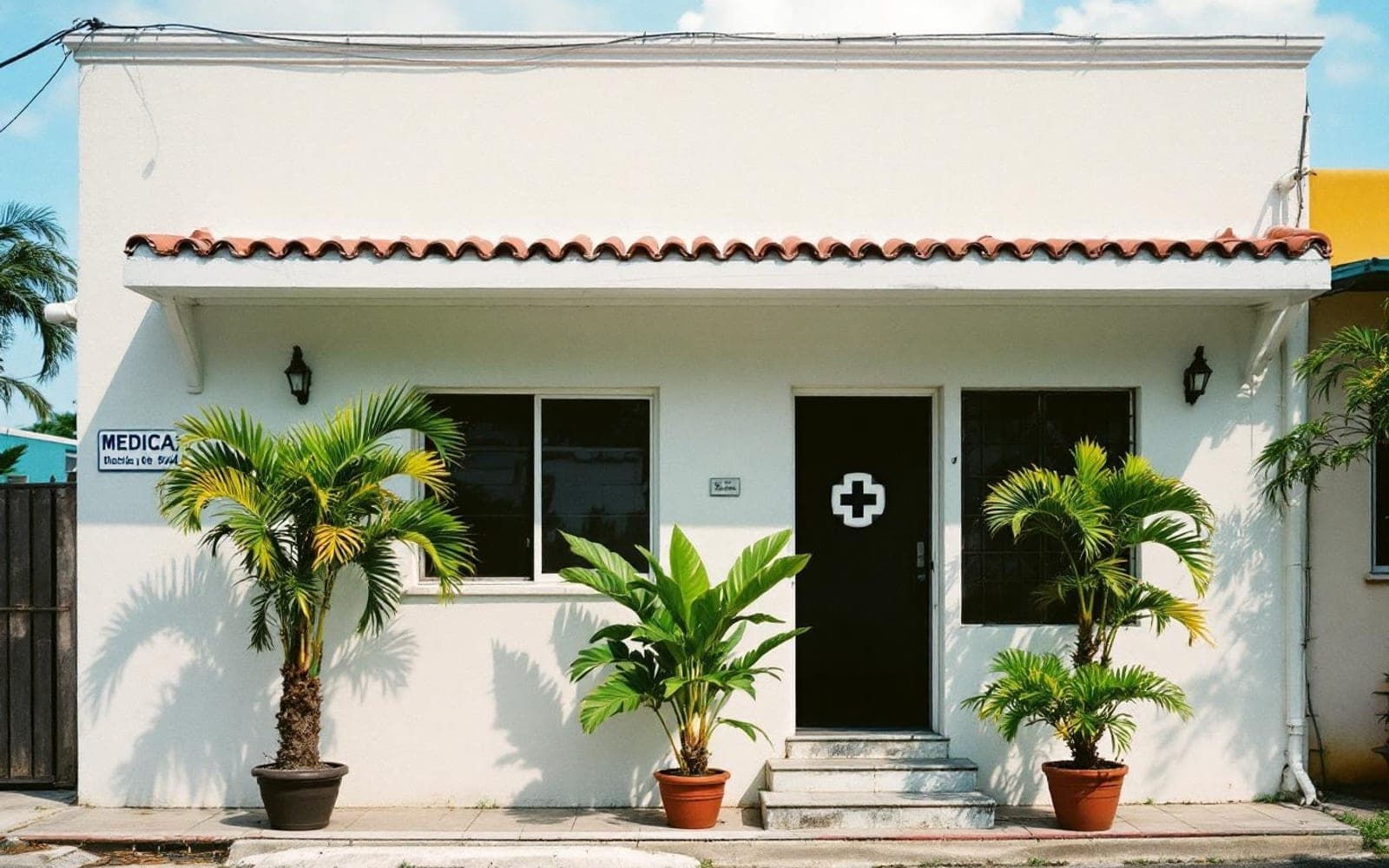
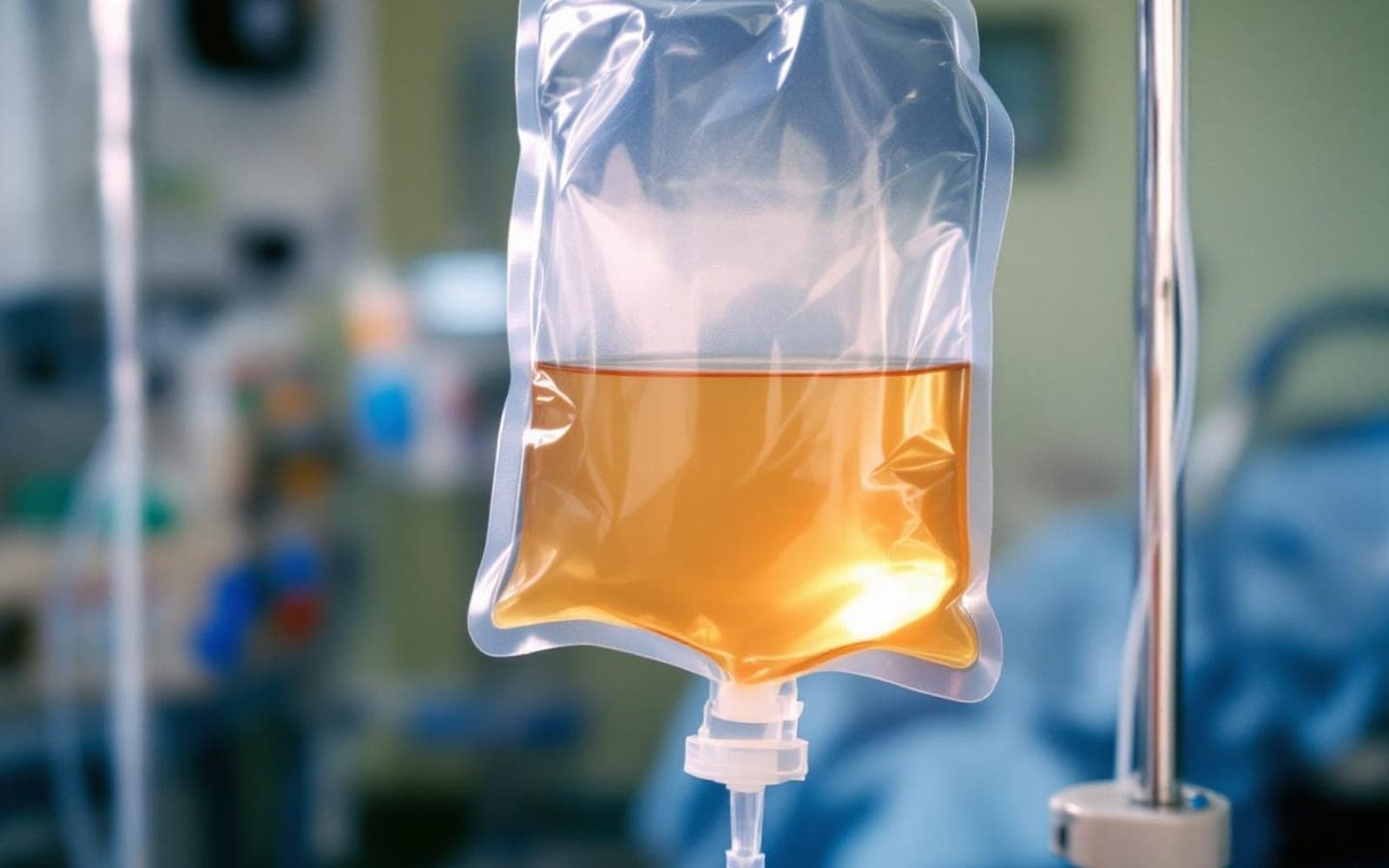
Mexico took a different path. There is no specific federal prohibition on ibogaine in Mexico. Treatment occurs in licensed medical facilities under physician supervision, which is why the country now hosts the largest concentration of legitimate ibogaine clinics in the world. The leading ibogaine treatment clinics in Mexico operate inside or adjacent to hospital infrastructure, with cardiology workups, IV access, continuous telemetry, and emergency medications on hand the entire time the patient is dosed.
That last sentence is the entire ballgame. Ibogaine done right is medicine. Ibogaine done wrong is a cardiac event waiting to happen. The country a clinic is in matters far less than what they actually do inside the building.
What Ibogaine Actually Does (and Why People Cross Borders for It)
The clinical interest in ibogaine is not mystical — it's mechanistic. A flood-dose treatment appears to do three measurable things at once:
- Resets opioid tolerance and removes withdrawal. Patients in active opioid dependence — including fentanyl, heroin, oxycodone, methadone, and kratom — typically wake up the next morning with their physical withdrawal almost entirely absent. This is unlike any other medication in current use. If you want the deep dive on the neuroscience, MindScape's clinical team has published an explainer on how ibogaine works at the receptor level that we update with each new research wave.
- Creates a window of neuroplasticity. Animal and human imaging studies suggest a multi-week period of upregulated BDNF and GDNF after a single flood dose. Translated: the brain becomes unusually capable of forming and strengthening new connections — exactly the conditions you want during early recovery.
- Surfaces autobiographical material. The 8–14 hour experience is profoundly introspective. Patients commonly describe a kind of life review — not euphoric, often uncomfortable, frequently revelatory. For people whose addiction or depression sits on top of unprocessed trauma, this is where the durable change tends to live.
This combination is why a single ibogaine session can do work that 90 days of conventional treatment often can't. It is also why the medical screening required to do it safely is far more rigorous than what most people expect.
Who a Mexican Ibogaine Program Is Actually For
A reputable ibogaine retreat in Mexico will turn down 25–40% of applicants. That's not a marketing detail — it's a safety baseline. Strong candidates typically share several features:
- A clear primary indication: opioid use disorder, alcohol use disorder, treatment-resistant depression, PTSD, traumatic brain injury, or stimulant dependence.
- Failure of one or more standard treatments (rehab, MAT, SSRIs, CBT, EMDR).
- Cardiac fitness — clean baseline EKG, normal QTc, no structural heart disease, electrolytes correctable to range.
- Liver function within acceptable limits.
- Willingness to taper specific medications under supervision (more on this below).
- A real aftercare plan — therapist, sober living, family, sponsor, recovery community.
If you're on a high-dose methadone or buprenorphine regimen, a long-acting SSRI, an MAOI, certain antiarrhythmics, or you have a history of seizures, you don't get told "no" — you get told "not yet." A serious clinic will work with you for weeks or months on a tapering protocol before you ever fly down. That preparation phase is one of the clearest signals you're dealing with an actual medical program.
The Real Cost of Ibogaine Treatment in Mexico
The most-searched question in this category is some variation of how much is ibogaine treatment in Mexico, and the honest answer has a wider range than most people expect. As of 2026, legitimate medical programs in Mexico typically run $8,500 to $18,000 USD for a 5–10 day inpatient program. Outliers exist on both ends, and price alone doesn't tell you much.
What you should actually be paying for:
- A pre-treatment medical workup including 12-lead EKG, blood chemistry, liver panel, drug screen, and cardiology clearance.
- Inpatient accommodation in a medical facility — not a rented house with a nurse who visits.
- 1:1 nursing during the active dosing window, with continuous cardiac telemetry.
- A board-certified physician on site for the duration of the experience.
- Emergency medications and equipment (magnesium, atropine, defibrillator, crash cart) — and staff trained to use them.
- Adjunctive treatments where indicated: IV NAD+, 5-MeO-DMT integration sessions, somatic therapy, nutrition.
- Structured integration before you fly home.
A program quoting $4,500 all-in is almost certainly cutting one or more of those line items. The places that cut them are the places people get hurt. For a current breakdown of what specific programs include — and what's typically billed separately — see the detailed ibogaine treatment cost guide for 2026, which we keep refreshed against live clinic pricing.
What a Real Program Looks Like, Day by Day
A typical 7-day ibogaine treatment program in Mexico follows a recognizable arc. Variations exist, but the bones look like this:
Days 1–2: Arrival, intake, and medical clearance. Repeat labs and EKG on the ground, even if you sent them in advance. Hydration, electrolyte correction (especially potassium and magnesium), and a sit-down with the medical director and integration team. You meet the people who will be in the room with you.
Day 3: Test dose. A small ibogaine dose given under telemetry to confirm metabolism and rule out an idiosyncratic reaction. This step is non-negotiable in a serious program.
Day 4: Flood dose. The full therapeutic dose, given in the morning, with continuous cardiac monitoring for 12–24 hours. Lights low, room quiet, eye shades, a sitter present the entire time. This is the day patients describe as the longest and most consequential of their lives.
Day 5: Quiet day. Rest, fluids, light food, gentle conversation. The active visionary phase has passed but the introspective tail continues for 24–72 hours.
Day 6: Adjunct therapies and integration. Many clinics layer in 5-MeO-DMT or bufo alvarius work on day 6 — a short, high-intensity experience that often consolidates the breakthroughs from ibogaine. This is also when integration therapy begins in earnest.
Day 7: Discharge planning. Aftercare protocols, supplement stacks, medication reintroduction (or not), referrals back home, and a return appointment by video at the 30-day mark.
A program that compresses this into 3 days is moving too fast. A program that stretches it past 14 days without a clinical reason is usually padding the bill.
How to Choose an Ibogaine Clinic in Mexico Without Getting Burned
If you take nothing else from this article, take this: the question is not "is the clinic in Mexico?" The question is "is the clinic medical?" Use this short checklist before sending a deposit anywhere:
- Physician on site, not on call. Ask for the medical director's name and credentials. Verify them.
- Pre-treatment EKG and labs are required, not optional or "we can do them when you arrive."
- Continuous cardiac telemetry during dosing — not a pulse oximeter checked every hour.
- Crash cart, defibrillator, and emergency meds physically present in the dosing room.
- A clear refusal protocol. A clinic that has never turned a patient away is a clinic that will dose someone they shouldn't.
- Transparent SSRI and MAT taper guidance. Ibogaine and serotonergic antidepressants don't mix. Buprenorphine has to be transitioned. A real program will tell you exactly how, weeks in advance.
- Aftercare that exists. A scheduled 30-, 60-, and 90-day follow-up, integration therapist matching, and access to recovery community.
For a longer version of this checklist with red flags to watch for, our guide to choosing an ibogaine treatment clinic walks through every line item — including specific questions to ask on a discovery call.
Why Cozumel, Specifically
Most of the credible ibogaine programs cluster in three regions of Mexico: Tijuana (close to the U.S. border, fastest to reach from the West Coast), Cancun and the Riviera Maya (good infrastructure, large medical-tourism base), and Cozumel. Each has tradeoffs. Cozumel's particular advantages — small island, strong hospital relationships, easy direct flights from many U.S. cities, and an environment that genuinely supports the rest phase of treatment — are the reasons MindScape built its program there. The post-dose days, where neuroplasticity is highest and stimulation should be lowest, matter a lot more than most people realize when they pick a city.
The Bottom Line
Ibogaine treatment in Mexico is not a workaround. For thousands of Americans every year, it is the first treatment that has actually addressed the root of what they came in with. The work is real, the medicine is powerful, and the safety bar is high enough that it must be cleared by people whose entire job is clearing it.
If you've read this far, you're probably closer to making a decision than you think. The next step isn't booking a flight — it's a clinical conversation. You can schedule a consultation with MindScape Retreat and get a same-week call with our medical team. No pressure, no sales script, just an honest read on whether you're a candidate, what your taper would look like, and what a real program would cost in your specific case.
The people we treat almost universally say the same thing afterward: "I wish I had done this years ago." The reason they didn't usually comes down to fear of the unknown. This guide exists so the unknown gets a little smaller.
Begin Your Journey
MindScape Retreat offers medically supervised ibogaine treatment in Cozumel, Mexico. Speak with our clinical team to learn if you are a candidate.