If you are searching for ibogaine treatment in Florida, you have already discovered the first difficult truth: ibogaine is a Schedule I controlled substance under U.S. federal law, and no licensed ibogaine clinic operates legally within Florida state lines. That reality can feel like a dead end — especially when you, a family member, or a patient you love is battling opioid dependence, treatment-resistant depression, PTSD, or stubborn SSRI withdrawal.
The good news: Florida residents are among the most geographically fortunate patients in the United States when it comes to accessing safe, medically supervised ibogaine therapy. From Miami International Airport, the island of Cozumel, Mexico is a direct 90-minute flight — often faster than driving across Florida itself. That proximity is why more Floridians from Miami, Hollywood, Fort Lauderdale, Orlando, Tampa, Jacksonville, and the Keys are traveling to a licensed Mexican clinic rather than trying to navigate underground providers stateside.
This article explains the current legal status of ibogaine in Florida, what Florida patients should look for in an international clinic, how the travel logistics actually work, and why physician-supervised treatment outside the United States is the safest and most effective path in 2026.
Why Ibogaine Is Not Legally Available in Florida
Ibogaine is the primary alkaloid of the iboga root bark and one of the most powerful known interrupters of opioid withdrawal. In a single session it can reset the brain's opioid receptors, quiet cravings for weeks to months, and precipitate a deeply therapeutic introspective state. Research from Stanford, NYU, and the University of São Paulo has demonstrated meaningful reductions in PTSD symptoms, depression scores, and substance use — including an 88% reduction in PTSD severity in a 2024 Stanford study on Special Operations veterans.
Despite that evidence, the DEA has kept ibogaine in Schedule I since 1970. Florida follows federal scheduling, so possessing or administering ibogaine in Miami, Hollywood, or anywhere else in the state carries serious criminal and professional consequences. No DEA-licensed physician in Florida can legally prescribe or supervise an ibogaine flood dose.
This is precisely why underground providers have appeared in South Florida — and exactly why they are dangerous. Ibogaine transiently prolongs the cardiac QT interval, and deaths have been documented when the medication is administered without pre-treatment cardiac screening, liver function panels, continuous ECG monitoring, ACLS-trained staff, and a crash cart on site. A retreat run out of a residential home or a "wellness center" in Broward or Miami-Dade County cannot deliver that level of care. Choosing a licensed, physician-supervised program in a country where ibogaine is legal is not a legal workaround — it is the clinical standard of care.
Why Cozumel Is the Best Option for Florida Patients
If you live in Florida and want legitimate, medical-grade ibogaine therapy, you have three realistic international destinations: Mexico, Canada (very limited), and some programs in South Africa or New Zealand. For a Floridian, Mexico is the obvious answer — and within Mexico, the island of Cozumel stands out for a specific reason: it is the closest medically-licensed jurisdiction to the state of Florida.
- Flight time from Miami (MIA) to Cozumel (CZM): roughly 90 minutes, direct, multiple times daily on American Airlines.
- Flight time from Fort Lauderdale (FLL): under two hours on JetBlue.
- Flight time from Orlando (MCO) and Tampa (TPA): 2 to 2.5 hours with direct seasonal service.
A patient in Hollywood, Florida can wake up at home, be screened and admitted in Cozumel by afternoon, and begin pre-treatment protocols the same day. For families traveling with a loved one in active withdrawal, that short travel window is a meaningful safety factor — fewer hours on a plane, less risk of relapse in transit, and easier logistics for a support person who needs to take time off work.
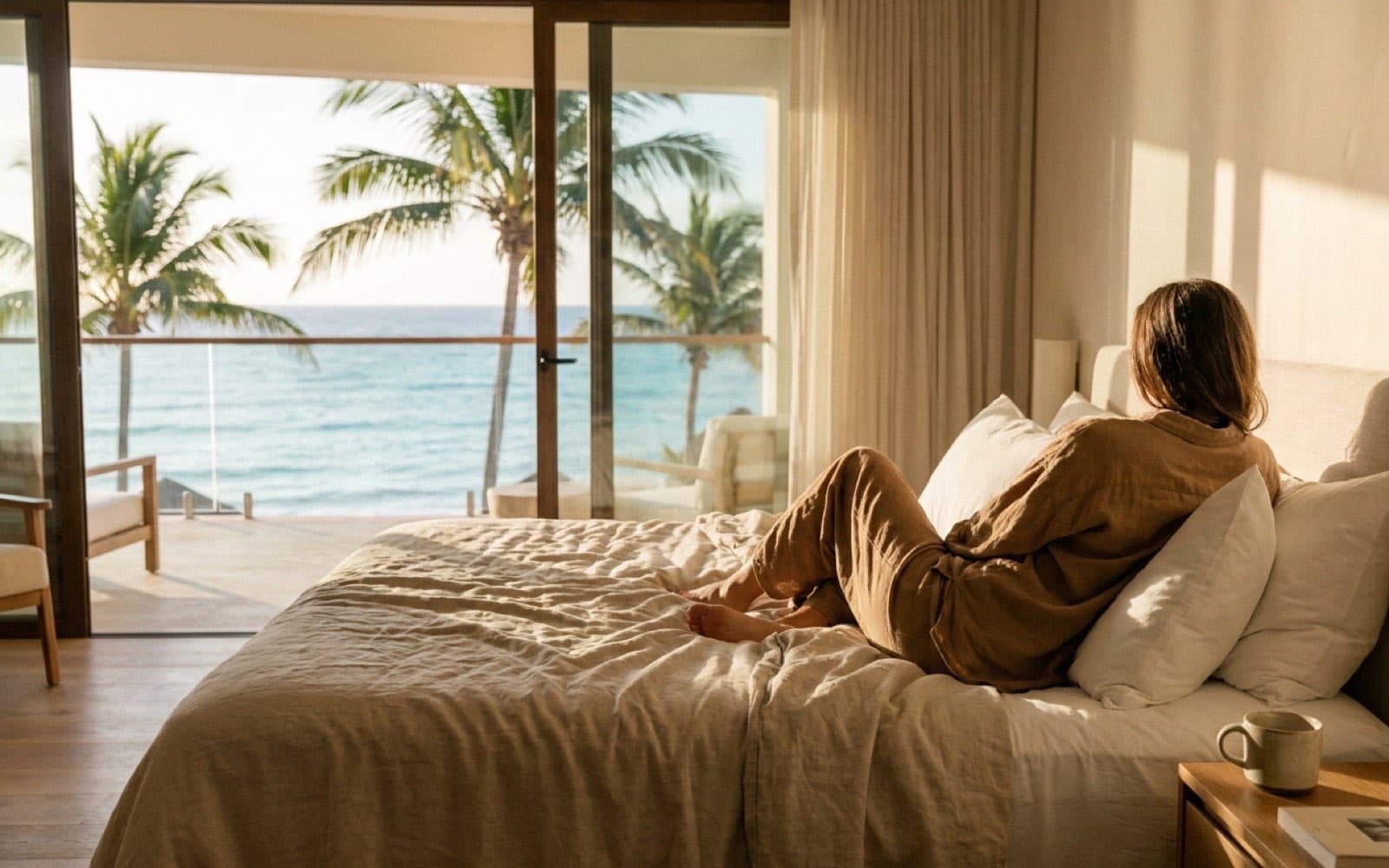
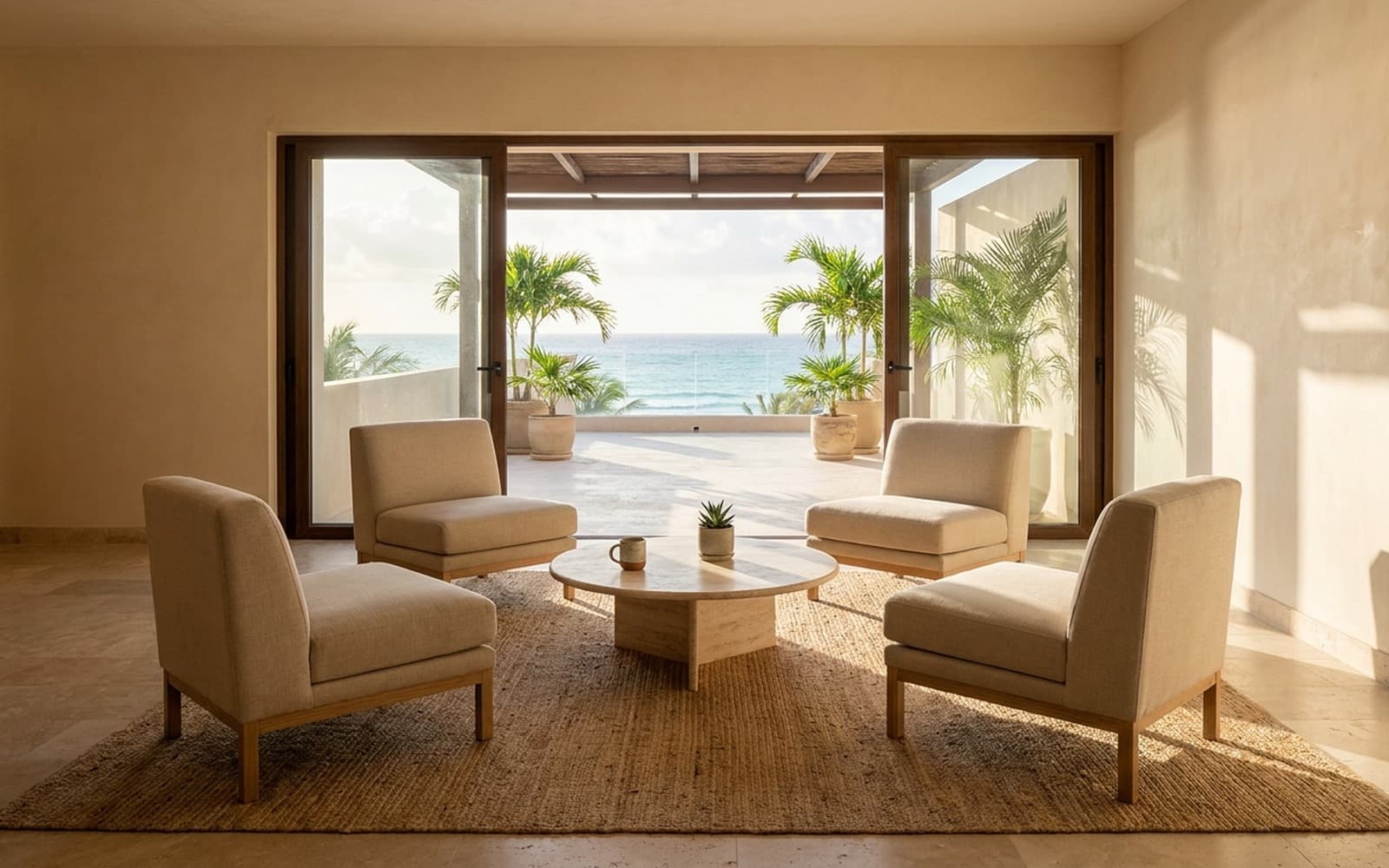
Beyond geography, Cozumel offers something a border city like Tijuana cannot: a calm, insulated recovery environment. Cozumel is a small Caribbean island with low crime, a steady tropical climate, and none of the cartel-related security concerns that shadow northern Mexican border regions. For a patient whose nervous system is already dysregulated by opioids, trauma, or years of SSRIs, the difference between a noisy border clinic and a quiet island retreat is clinically significant.
You can learn more about the full program on our ibogaine treatment clinic page, which outlines admission criteria, medical screening, and daily schedule.
What Florida Patients Should Demand in an International Clinic
The biggest mistake Florida families make when researching ibogaine therapy in Florida is assuming every offshore clinic is equivalent. They are not. Ibogaine is one of the few psychedelic medicines where the clinical setting is a greater predictor of outcome than the molecule itself. Before you book travel from Miami, Hollywood, Orlando, or Tampa, insist on each of the following:
- A Mexican-licensed medical director on site for the duration of dosing. Not "on call." Not a nurse alone. A physician, present, for the full dosing window.
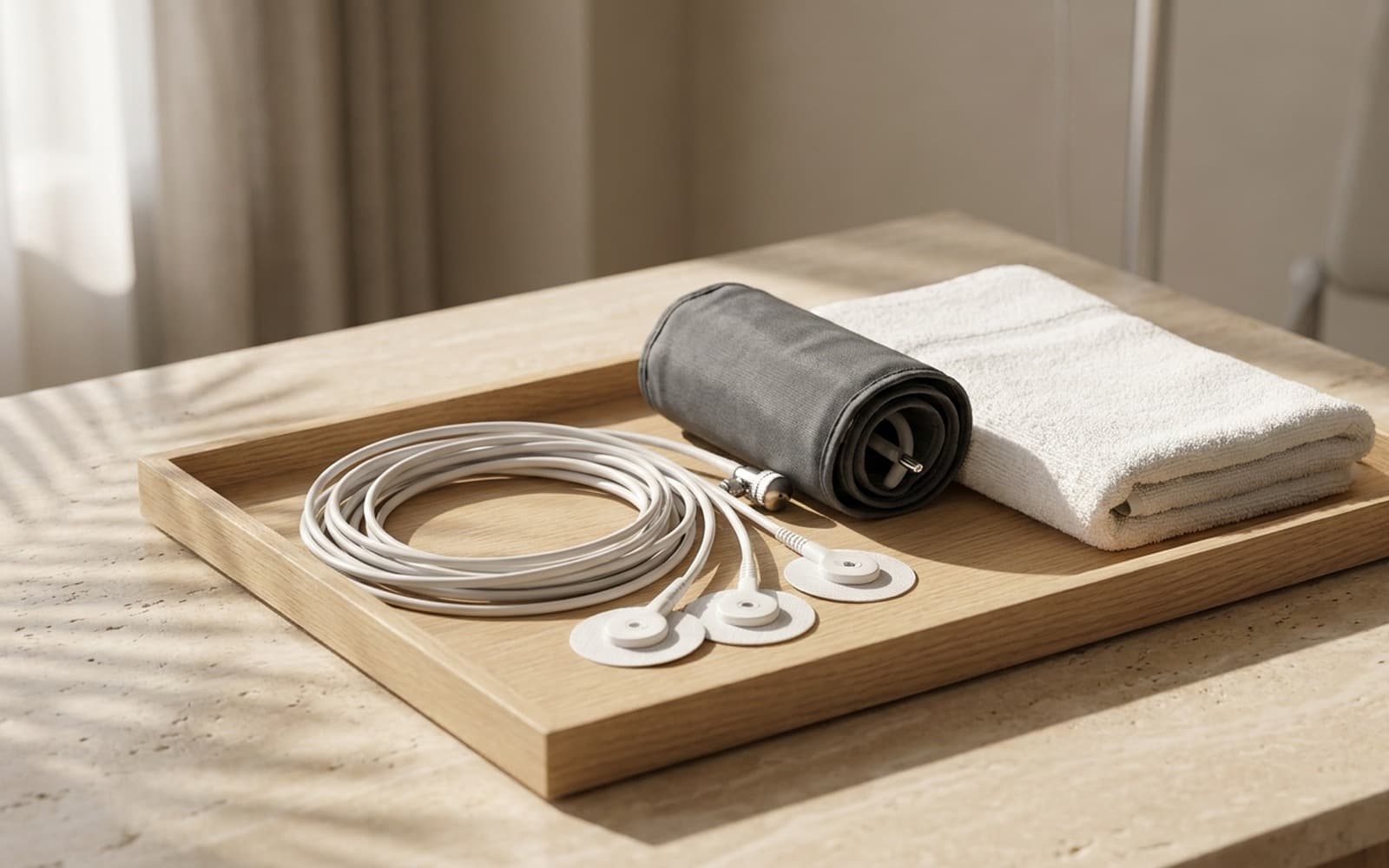
- Pre-treatment workup that includes a 12-lead ECG, echocardiogram, comprehensive metabolic panel, liver function tests, magnesium and potassium levels, and a medication review. If a clinic tells you screening can be done by questionnaire, walk away.
- Continuous cardiac telemetry during and after the flood dose. QT prolongation peaks hours after ingestion — not at the moment of dosing.
- ACLS-trained staff and hospital transfer agreements. Cozumel has two private hospitals capable of cardiac intervention; your clinic should have a documented transfer protocol.
- A transparent plan for SSRI, SNRI, benzodiazepine, methadone, and buprenorphine tapering before you arrive. Florida patients on Lexapro, Zoloft, Effexor, or Suboxone cannot safely receive a flood dose until those medications are properly reduced or eliminated — a process that often must begin weeks before travel.
- Post-treatment integration support. The weeks after you return to Miami, Orlando, or Jacksonville determine whether the treatment holds. A reputable clinic provides integration calls, a written aftercare plan, and coordination with a local therapist.
For a deeper breakdown of the medical workup, review our guide on how ibogaine works at the neurochemical level and the protocols we use to keep treatment safe.
The Florida-to-Cozumel Timeline: What Actually Happens
Most Floridians underestimate how quickly treatment can be arranged and how manageable the travel is. A typical journey looks like this:
- Day -28 to -14: Medical intake by video. A physician on our team reviews your records, orders any missing labs through a Florida LabCorp or Quest draw, and designs your taper protocol. SSRIs typically require 2–6 weeks of washout; methadone and long-acting opioids require a supervised rotation to short-acting opioids.
- Day -7: Final medical clearance. ECG, labs, and a cardiology review are confirmed. Travel is booked.
- Day 0: Arrival in Cozumel. A driver meets you at CZM. You check into the clinic, meet the medical team, and undergo an in-person physical and final ECG.
- Day 1–2: Preparation. Hydration, electrolyte correction (especially magnesium), psychological preparation with the integration team, and a pre-treatment meal protocol.
- Day 3: Flood dose. Administered under continuous cardiac monitoring with a physician and nurse at bedside.
- Day 4–6: Recovery and booster protocol. For many patients — particularly those with long opioid histories — a secondary booster with iboga total alkaloid (TA) extends the therapeutic window.
- Day 7–10: Integration and discharge. Daily integration sessions, discharge labs, and a written aftercare plan for your Florida-based therapist or primary care physician.
The entire program is typically 7 to 10 days, door to door. Most working professionals from Miami or Tampa can accomplish it within a single accrued PTO window.
Who Benefits Most From Traveling From Florida for Ibogaine
Not every Florida resident needs to travel. Ibogaine is not a first-line treatment for mild depression or occasional anxiety. The patients who see the most dramatic benefit from leaving Florida for a legal clinic tend to fall into clear categories:
- Long-term opioid dependence — fentanyl, heroin, oxycodone, or prescription opioids — where detox has repeatedly failed.
- Methadone or Suboxone patients seeking to come off medication-assisted treatment safely. Review our dedicated methadone and suboxone treatment page for the specialized tapering protocols this requires.
- Treatment-resistant depression that has not responded to two or more SSRIs, SNRIs, ketamine, or TMS.
- Combat and first-responder PTSD, including Florida-based veterans, police officers, firefighters, and paramedics.
- Stimulant and alcohol dependence, particularly when combined with another addiction.
- Kratom dependence, which has become a significant issue in Florida given the state's large number of kratom retailers.
If you fit one of those categories and have exhausted options in-state, the question is no longer whether ibogaine is a reasonable next step — it is where you can receive it safely.
Cost, Insurance, and Practical Considerations for Florida Residents
Ibogaine treatment is not covered by insurance in the United States, and that will not change while the medication remains Schedule I. Florida patients should budget for the full program cost, travel from MIA/FLL/MCO/TPA, and one companion's travel if a support person is joining. Many families use HSA funds (with documentation), medical loans, or a combination of savings and family contribution.
One hidden cost that is easy to overlook: the cost of not treating. A Florida family supporting a loved one through a relapsing opioid addiction often spends far more on failed rehabs, emergency room visits, lost wages, and legal fees in a single year than a complete ibogaine program costs. Reframing the financial decision around total lifetime cost of untreated addiction often clarifies the choice quickly.
For current pricing and program inclusions, see our transparent plans and pricing page.
Next Steps for Florida Residents
If you are researching ibogaine treatment in Florida — whether you are in Miami searching for ibogaine Miami providers, in Hollywood or Fort Lauderdale looking for ibogaine Hollywood options, or anywhere else in the state — the safest, fastest, and most effective path in 2026 is a licensed, physician-supervised program in Cozumel, Mexico, 90 minutes from South Florida.
Start with a medical consultation. We review your history, current medications, and goals before discussing travel or logistics — because the right answer for some patients is ibogaine, and for others it is a different protocol entirely. Either way, you deserve a clear, honest, medically grounded recommendation.
To begin, visit our Florida-focused ibogaine program overview or schedule a consultation with our medical team and we will route you to the appropriate clinician within one business day.
Begin Your Journey
MindScape Retreat offers medically supervised ibogaine treatment in Cozumel, Mexico. Speak with our clinical team to learn if you are a candidate.