Author: MindScape Retreat Medical Team Last Updated: May 21, 2026 Target Keyword: ayahuasca vs ibogaine Reading Time: 12 minutes
Few topics in psychedelic medicine generate more confusion than the comparison of ayahuasca vs ibogaine. Both are sacred plant medicines with deep indigenous roots. Both produce profound, ego-dissolving experiences that can rewire long-standing patterns of trauma, depression, and addiction. And both have moved from the rainforest and the jungle clearing into modern integrative clinics that combine traditional reverence with rigorous medical oversight.
Yet despite the surface similarities, these two medicines work through very different neurochemistry, follow very different ceremonial arcs, and produce very different therapeutic outcomes. Choosing between them — or understanding why a clinician might recommend one over the other — requires more than a Reddit thread or a YouTube documentary.
This guide compares ayahuasca and ibogaine across the dimensions that actually matter: pharmacology, indications, safety, duration, and the kind of healing each medicine tends to produce. For a deeper side-by-side breakdown of clinical outcomes and protocol differences, see our main resource on ibogaine vs ayahuasca treatment.
The Two Medicines at a Glance
Ayahuasca is a brewed tea made from the Banisteriopsis caapi vine combined with the leaves of Psychotria viridis (or a similar DMT-containing plant). The caapi vine contains harmala alkaloids — monoamine oxidase inhibitors (MAOIs) — that allow orally consumed DMT to become psychoactive. The result is a 4-to-6 hour visionary state traditionally guided by Amazonian shamans across Peru, Brazil, Colombia, and Ecuador.
Ibogaine is an indole alkaloid extracted from the root bark of Tabernanthe iboga, a small shrub native to Gabon and Central Africa. In the Bwiti spiritual tradition, iboga has been used for centuries in initiation rites and healing ceremonies. In modern clinical settings, a single flood dose of ibogaine HCl produces a 24-to-36 hour experience that has become best known for its ability to interrupt opioid, alcohol, and stimulant addiction at the neurochemical level.
The difference between ayahuasca and ibogaine starts with that contrast: a brewed tea drunk in repeated nightly ceremonies versus a single, long, medically supervised treatment with a measurable pharmacokinetic curve.
How Each Medicine Works in the Brain
Ayahuasca
The DMT in ayahuasca acts primarily as a 5-HT2A serotonin receptor agonist — the same family of receptors targeted by psilocybin and LSD. The MAOI component allows DMT to remain active orally and prolongs the experience. Neuroimaging studies have shown that ayahuasca decreases activity in the brain's default mode network (DMN), the system associated with self-referential thinking and rumination. This temporary "ego dissolution" appears to allow patients to revisit traumatic memories, emotional patterns, and core beliefs from a less defended vantage point.
Ibogaine
Ibogaine has a fundamentally different pharmacological signature. It's a "dirty drug" in the pharmacological sense — it binds to multiple targets including NMDA receptors, sigma-2 receptors, kappa-opioid receptors, and nicotinic acetylcholine receptors. Critically, ibogaine and its long-lived metabolite noribogaine reset mu-opioid tolerance and modulate the dopamine reward circuitry that drives addiction. This is the mechanism behind the well-documented ability of a single ibogaine treatment to eliminate withdrawal symptoms and cravings for opioids within 24-48 hours. Our detailed primer on how ibogaine works at the neurochemical level covers this in depth.
The practical implication: ayahuasca is primarily a serotonergic mystical-experience medicine. Ibogaine is a multi-receptor neuroplastic agent that happens to also produce a long visionary state. Both can be deeply healing — but they are not interchangeable.
Duration, Setting, and Ceremony
The lived experience of these two medicines could hardly be more different.
Ayahuasca ceremonies typically run 4-6 hours, take place at night, and are conducted in groups of 8-30 participants. Most retreat programs include 3-7 ceremonies spread across one or two weeks, with rest days in between. Shamans (curanderos) sing icaros — traditional songs believed to direct the energy of the medicine — and physical purging through vomiting is considered a normal and even desirable part of the cleansing process.
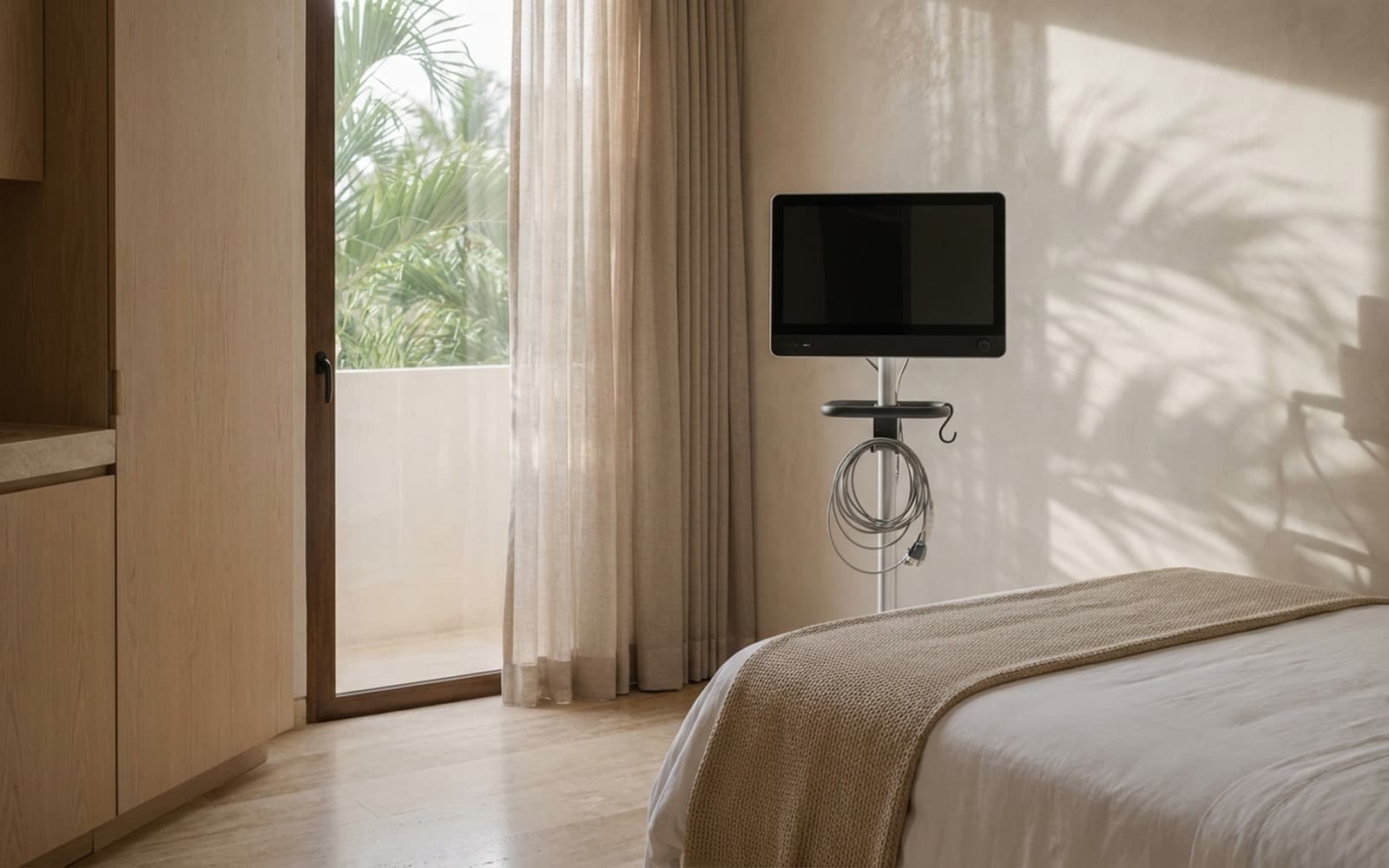
Ibogaine treatment is a single, supine, medically monitored event. Patients are connected to cardiac telemetry, IV access is established, and a physician and ICU-trained nurses remain present throughout. The acute visionary phase lasts roughly 8-12 hours, followed by a 24-36 hour introspective "grey day" during which the medicine continues its neurochemical work. There is no group circle and no shaman singing — the central feature is silent, internal review of one's life history under continuous medical supervision.
This difference matters for matching patients to medicines. Someone seeking a communal, spiritual, repeatable practice may resonate more with ayahuasca. Someone with active opioid dependence, severe depression that has failed conventional treatment, or a complex medical history typically needs the cardiac monitoring and pharmacological precision of an ibogaine treatment clinic.
What Each Medicine Treats Best
There is real overlap in indications — both medicines have been used for trauma, depression, and addiction. But the evidence base and the clinical experience point to different sweet spots.
Ibogaine excels at
- Opioid use disorder, including heroin, fentanyl, methadone, and prescription opioids. Most patients walk out free of acute withdrawal after a single dose.
- Alcohol and stimulant dependence, where ibogaine's reset of dopaminergic reward circuitry interrupts craving cycles.
- Treatment-resistant PTSD, including combat trauma. The Stanford ibogaine study in special operations veterans reported an 88% reduction in PTSD symptoms.
- Traumatic brain injury (TBI) — neuroimaging in the same cohort showed measurable functional improvements.
- Treatment-resistant depression, particularly when conventional SSRIs have failed.
Ayahuasca excels at
- Existential and spiritual reorientation — including grief, midlife crises, and meaning-making after major life transitions.
- Mild-to-moderate depression and anxiety, where serotonergic action and emotional release can produce durable benefits.
- Process trauma and relational healing, where the group container and repeated ceremonies allow gradual unfolding.
- General self-knowledge and personality integration, including for people without a specific clinical diagnosis.
A useful rule of thumb among clinicians who work with both medicines: if the patient's problem is primarily neurochemical (addiction, severe depression, opioid dependence), ibogaine's multi-receptor action and ability to reset reward circuitry tends to do more in less time. If the problem is primarily psychospiritual (loss of meaning, frozen grief, relational trauma), the ayahuasca arc of repeated ceremonies can be transformative.
Safety: Where the Two Medicines Diverge Most
This is the area where the difference between ayahuasca and ibogaine is most consequential, and most often misunderstood.
Ayahuasca's main safety concern is its MAOI component. Combining ayahuasca with SSRIs, SNRIs, tramadol, or certain other serotonergic medications can precipitate serotonin syndrome — a potentially fatal condition. Patients with bipolar disorder, schizophrenia, or significant cardiovascular disease are typically excluded. Vomiting is common; serious adverse events are rare in properly screened participants.
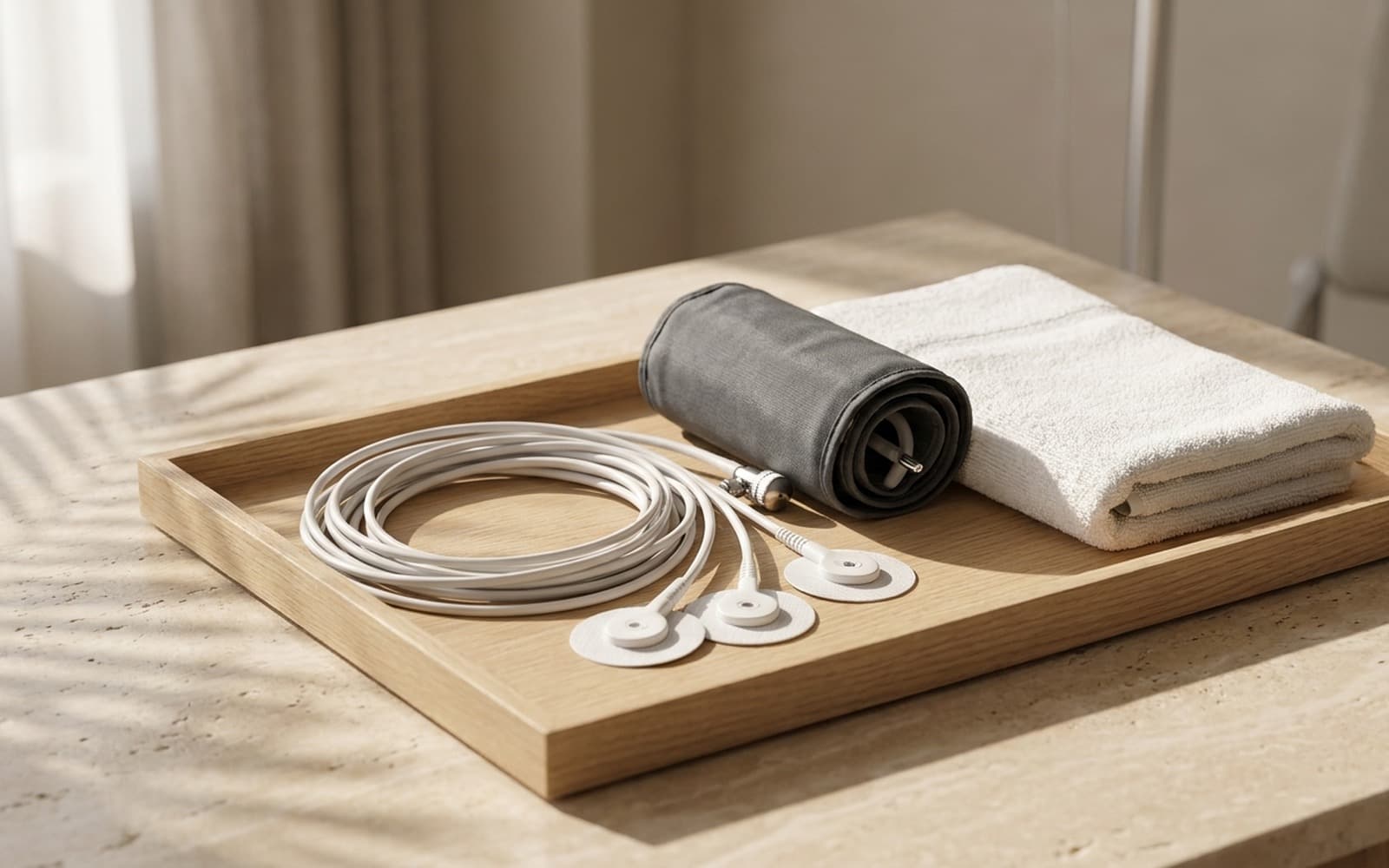
Ibogaine's main safety concern is cardiac. Ibogaine prolongs the QT interval on ECG, which in unscreened patients can lead to dangerous arrhythmias. This is why ibogaine should never be taken outside of a properly equipped medical setting. At a credentialed clinic, pre-treatment screening includes 12-lead ECG, comprehensive bloodwork, electrolyte optimization, and continuous cardiac telemetry throughout treatment. Under these conditions, the safety record is excellent. Outside of them, the risk is real.
Patients taking SSRIs, SNRIs, MAT medications, or other psychiatric drugs require a structured taper and washout before either medicine. Our resource on choosing an ibogaine treatment clinic walks through the safety questions every prospective patient should ask before booking any psychedelic treatment, ayahuasca included.
Cost and Accessibility
Ayahuasca retreats range widely — from $1,500 community-style retreats in Peru to $10,000+ luxury programs in Costa Rica with integration coaches and gourmet plant-based meals. Programs typically span 7-10 days.
Ibogaine treatment, because of the required medical infrastructure, generally runs $8,000-$15,000 for a 5-to-10 day inpatient program including cardiac monitoring, IV support, physician oversight, and post-treatment integration. The detailed ibogaine treatment cost guide for 2026 breaks down what's included and what to watch out for.
Neither medicine is currently FDA-approved in the United States, so insurance does not cover treatment. Most patients travel internationally — primarily to Mexico, Costa Rica, the Netherlands, or South America — to access legal, medically supervised programs.
How to Decide
When patients ask us at MindScape Retreat which medicine is right for them, the honest answer is: it depends on what you're trying to heal. We've created a brief decision framework you can use:
- If you have active opioid dependence, severe addiction, or treatment-resistant depression — ibogaine's neurochemical reset is typically the more direct intervention.
- If you want a slower, communal, spiritual journey of self-discovery without an urgent clinical problem — ayahuasca's repeated ceremonies may be a better fit.
- If you have any cardiovascular history, electrolyte irregularities, or take SSRIs/SNRIs — work with a medical team before either treatment. Self-administered psychedelics, especially ibogaine, can be fatal.
- If you've already done ayahuasca and feel "stuck" at the same edge each time — many patients describe ibogaine as the medicine that finally let them move through a barrier ayahuasca had revealed but not resolved.
It's also worth noting that these are not mutually exclusive paths. Many patients integrate one medicine, then years later explore the other — each contributing something the other could not.
When Plant Medicine Is the Right Next Step
Both ayahuasca and ibogaine demand serious respect. Neither is a recreational substance. Both work best inside a container of careful preparation, skilled facilitation, and structured integration afterwards. The choice between them should be driven by clinical need, medical history, and honest assessment of what you're trying to change — not by which medicine has the more compelling Instagram presence.
If you're considering ibogaine specifically — whether for opioid dependence, depression, PTSD, or another condition — our medical team is available to walk you through a no-pressure consultation. You can schedule a consultation with MindScape Retreat or read more case studies and protocol details on our main ibogaine vs ayahuasca comparison page.
Whichever path you choose, choose it with full information, with proper medical screening, and with the understanding that these medicines are tools — powerful ones — and not the entire journey. The real work begins the day after the ceremony ends.
This article is for educational purposes only and does not constitute medical advice. Ibogaine and ayahuasca both carry serious risks when used outside of properly supervised medical or ceremonial settings. Always consult a qualified physician before pursuing psychedelic treatment, especially if you take prescription medications or have any cardiovascular history.
Begin Your Journey
MindScape Retreat offers medically supervised ibogaine treatment in Cozumel, Mexico. Speak with our clinical team to learn if you are a candidate.