Why Cozumel?
World-Class Ibogaine Therapy, Accessible from the DC-Baltimore Corridor
Ibogaine is not currently legal in the United States, including Maryland. However, it is unscheduled and fully legal in Mexico, where licensed medical clinics operate under proper regulatory frameworks. MindScape Retreat, located on the island of Cozumel, is accessible from Baltimore-Washington International (BWI) and Reagan National (DCA) via connections through Houston, Dallas, or Miami, placing world-class treatment within approximately five hours of the mid-Atlantic region.
Maryland sits at the center of a growing movement for psychedelic medicine reform. Johns Hopkins University (one of the world's leading institutions for psychedelic research) is based in Baltimore, and Maryland has introduced ibogaine research legislation exploring its potential for veterans and those suffering from addiction. Baltimore also bears one of the highest overdose death rates of any American city, and the region's large military and federal workforce (Fort Meade, Aberdeen Proving Ground, Andrews Air Force Base) creates an acute need for treatments that go beyond what conventional medicine offers. Cozumel provides exactly that: a serene, medically rigorous environment for lasting change.
New to researching treatment south of the border? Start with our complete guide to ibogaine treatment in Mexico: where it is legal, what supervised programs cost, and how to vet a clinic before you book anything.
Flights from Baltimore
BWI and DCA connect to Cozumel through Houston, Dallas, or Miami in approximately 5 hours. Our team assists with all travel logistics.
Research & Reform
Maryland introduced ibogaine research legislation for veterans, and Johns Hopkins leads global psychedelic research from Baltimore, a sign of the science catching up.
US-Trained Medical Staff
Our team includes US-experienced physicians and practitioners who understand American healthcare standards and the needs of military and federal patients.
All-Inclusive Experience
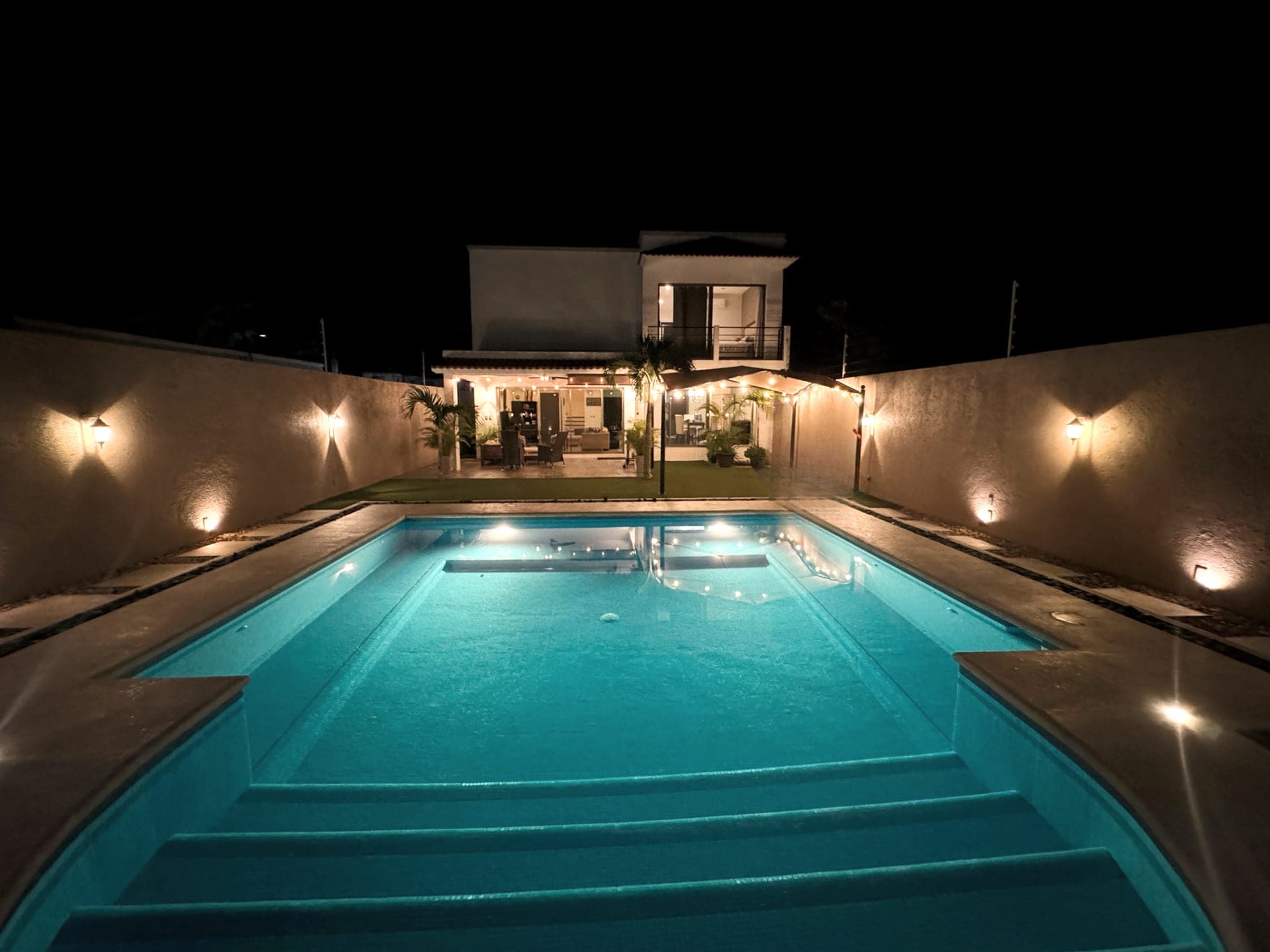
Accommodation, meals, medical care, therapy, excursions, and 90 days of post-treatment integration support included.
Conditions We Treat
Comprehensive Treatment Programs
The Maryland Crisis
Why Maryland Residents Are Seeking Ibogaine Treatment Abroad
Maryland has lost thousands of residents to drug overdose in recent years, and Baltimore remains one of the hardest-hit cities in the country. The state declared the opioid crisis a public health emergency, yet deaths continue to climb as synthetic fentanyl saturates communities through the I-95 corridor running from Philadelphia through Baltimore to Washington. Maryland spends over $2.5 billion annually on addiction-related healthcare costs, a figure that reflects the scale of a crisis that conventional treatment infrastructure has been unable to contain.
Maryland occupies a paradoxical position in the psychedelic medicine landscape. Johns Hopkins University in Baltimore is leading global psychedelic research, with its Center for Psychedelic and Consciousness Research conducting groundbreaking studies on psilocybin, MDMA, and related compounds. Maryland has also introduced ibogaine research legislation specifically exploring its potential for treating veterans with addiction and PTSD. Yet despite hosting the world's premier psychedelic research institution, Maryland residents cannot access ibogaine treatment within the state. The gap between Baltimore's cutting-edge research and the clinical access that patients desperately need remains years from closing.
Maryland's large military and federal workforce creates an acute demand for treatments that go beyond conventional medicine. Fort Meade, Aberdeen Proving Ground, Andrews Air Force Base, and the Walter Reed National Military Medical Center in Bethesda serve tens of thousands of active-duty personnel, veterans, and their families. Many of these service members struggle with treatment-resistant PTSD, traumatic brain injury, and opioid dependency that standard VA pathways have failed to resolve. First responders across the Baltimore metro area (EMS, fire, and law enforcement professionals exposed to daily trauma) face similar challenges. For these Maryland residents, ibogaine treatment at MindScape Retreat offers what their proximity to world-class research institutions cannot yet deliver: clinical access to a proven treatment, available now.
Frequently Asked Questions
Ibogaine Treatment for Maryland Residents
How do I get from Maryland to Cozumel?
Baltimore-Washington International (BWI), Reagan National (DCA), and Dulles International (IAD) all offer connecting flights to Cozumel through Houston, Dallas, or Miami, with total travel time of approximately 5 hours. BWI often has the most affordable fares for Maryland residents. Our patient coordination team assists with flight selection, ground transfers from Cozumel airport, and all travel logistics so you can focus on preparing for treatment.
Johns Hopkins does psychedelic research. Can I get ibogaine there?
Johns Hopkins Center for Psychedelic and Consciousness Research is indeed the world's leading institution for psychedelic science, but their work is strictly research, not clinical treatment available to the public. Their studies focus primarily on psilocybin, and while Maryland has introduced ibogaine research legislation, clinical ibogaine trials are not currently enrolling patients. It will likely be years before ibogaine is available domestically. MindScape Retreat offers the clinical application of ibogaine therapy that Hopkins is studying, available today with a connecting flight from BWI.
Baltimore has extremely high overdose rates. Do you treat fentanyl patients?
Yes. Fentanyl addiction is the most common presenting substance among our patients, and we have extensive experience with the specific challenges that fentanyl dependency presents. Fentanyl's extreme potency requires careful medical management during ibogaine treatment, including precise dosing protocols, extended cardiac monitoring, and specialized withdrawal management. Our board-certified physicians have treated hundreds of fentanyl-dependent patients with zero serious complications recorded, using protocols refined over 1,000+ treatments.
How does cost compare to Maryland rehab?
MindScape's all-inclusive ibogaine program ranges from $7,500 to $15,500, covering accommodation, meals, medical supervision, ibogaine treatment, NAD+ infusions, and 90 days of post-treatment integration support. Maryland is one of the most expensive markets for addiction treatment in the country: 30-day inpatient rehab programs in the Baltimore-Washington corridor typically cost $25,000 to $60,000, and many patients require multiple stays. Ibogaine's single-treatment approach frequently delivers lasting results at a fraction of the cost.
Do you treat first responders?
Yes. MindScape has treated numerous first responders from the Baltimore-Washington region: EMTs, paramedics, firefighters, and law enforcement officers who face daily exposure to trauma, overdose deaths, and high-stress environments. Our clinical team understands the unique psychological profile of first responders, including the occupational stigma around seeking mental health treatment. We provide confidential, off-the-record treatment in a private setting where patients can address PTSD, burnout, and substance dependency without career consequences.
Is there VA coordination for Maryland veterans?
While the VA does not formally endorse or fund ibogaine treatment, MindScape works extensively with veterans from the Walter Reed National Military Medical Center, Fort Meade, and Aberdeen Proving Ground communities. Our medical team provides comprehensive pre-treatment records and post-treatment summaries that veterans can share with their VA providers for continuity of care. Several veteran advocacy organizations, including VETS Inc. and the Heroic Hearts Project, can provide guidance on funding pathways for ibogaine treatment that complement VA benefits.
Nearby Regions
Patients Also Travel From Neighboring States
MindScape Retreat serves patients across the entire region. If you're in a neighboring state, we offer the same medically supervised ibogaine therapy with full cardiac screening, 24/7 nursing care, and 90-day integration support.
Safety & Technology
What actually happens to keep a patient from Maryland safe
Travelling abroad for a Schedule I medicine is a serious decision, and the honest way to earn it is to show the machinery rather than describe it. Tap through what happens, in order.
Cardiac screening is the gate, not a formality
Ibogaine affects the heart's electrical rhythm, so a 12-lead EKG and bloodwork come before anything else. Your QT interval has to sit inside a safe range at baseline, and if it does not, we say so.
The safe ceiling is not one number. It depends on your sex and on the rest of your cardiac picture, and our physicians read it against you rather than a chart. Programs are refused on this basis. That is the point of a gate.
Meet Q
Your care continues on your phone in Maryland
Q is the clinical assistant built into your patient portal. You talk to it instead of filling in forms, it keeps a short written memory of each session that you sign off on, and it carries your own words into your preparation and aftercare. Validated clinical instruments live in the same place, so progress is measured rather than remembered.
AI in the medical loop
Decision support, never a replacement
Our medical team uses AI-assisted tools for cardiac safety review, including QT-interval analysis and medication-interaction screening against the drugs you actually take, plus around-the-clock monitoring workflows during treatment. Every clinical decision is made by a physician. The job of the software is to make sure nothing is missed.
Ready to Begin?
Contact our medical team for a confidential, no-obligation consultation. Our programs are all-inclusive from $7,500, with a full transparent breakdown in the ibogaine cost guide. We'll answer every question and help you understand if ibogaine therapy is right for you.