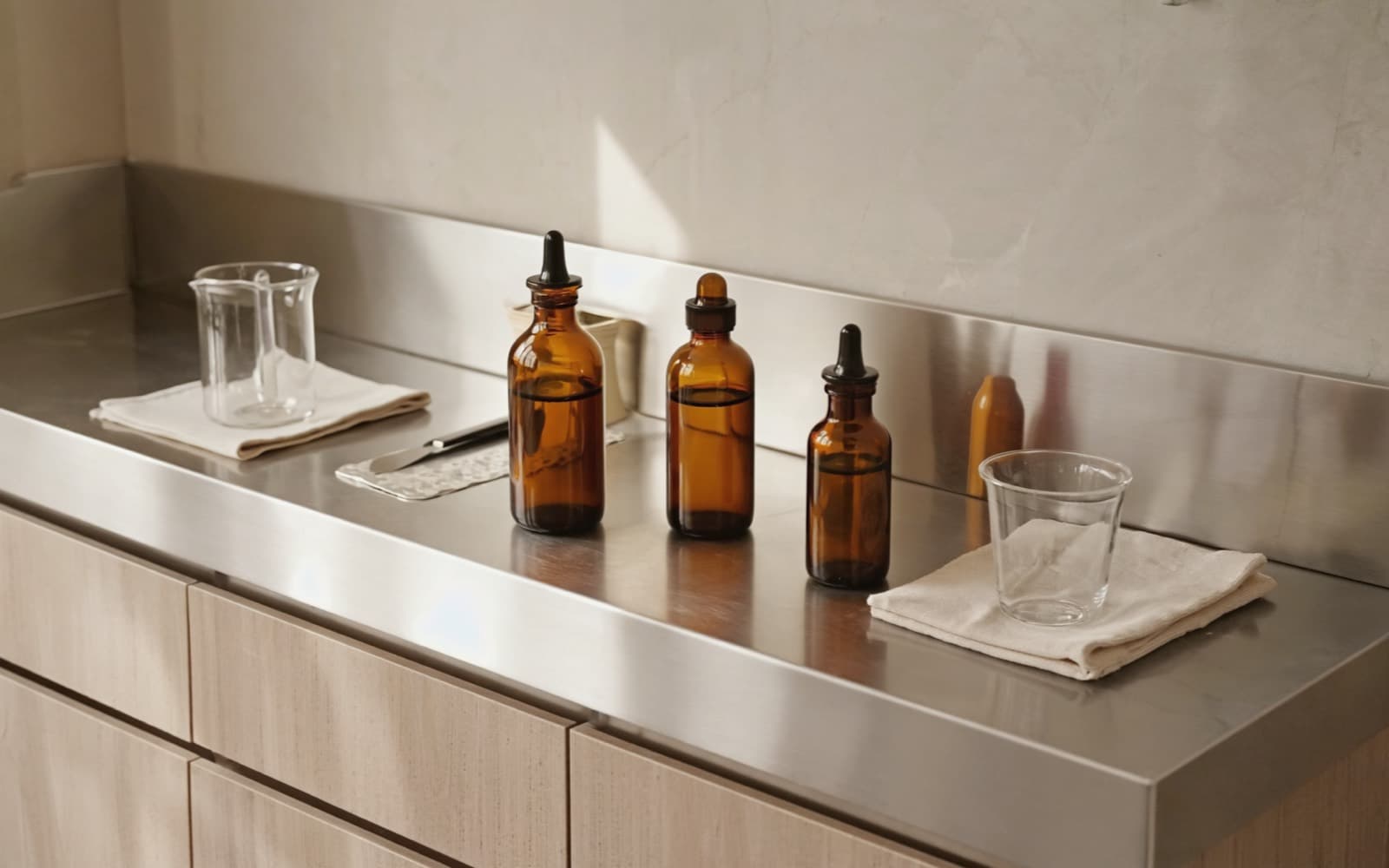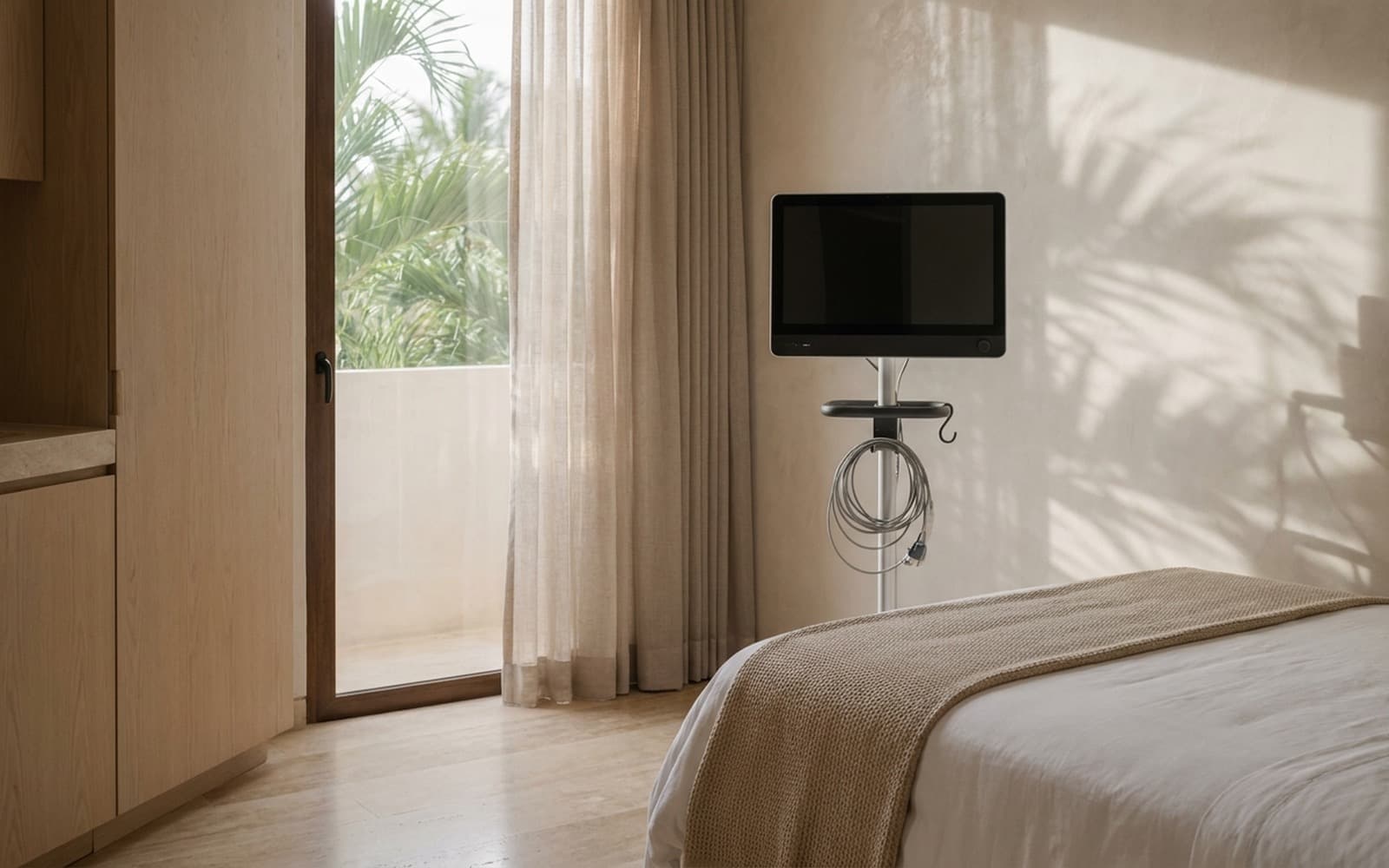
Learn the safety standards, red flags, and questions that separate legitimate ibogaine treatment centers in Mexico from dangerous ones. You're lying awake at 3am again. Your phone screen is the only light in the room, and you're scrolling through clinic websites in Mexico, trying to figure out which ones are real and which ones might kill you. That fear sitting in your chest right now? Don't fight it. It's the smartest thing you've got going for you. Explore MindScape Retreat Learn about our Ibogaine Treatment program Read About MindScape — our story, our team, and our approach Ready to take the next step? Contact Us Visit MindScape Retreat for more resources Your Fear Is Trying to Save Your Life If you're reading this, you've probably already tried everything else. The rehabs that felt like jail. The Suboxone that traded one chain for another. The white-knuckle willpower that crumbled by Wednesday. And now you're looking at ibogaine — this powerful alkaloid from an African root bark that people keep calling a "miracle" — and you're feeling something dangerous: hope. We know that feeling. We also know what rides shotgun with it — the vulnerability, the desperation, the willingness to hand your life over to a stranger in another country because you've run out of options at home. That's exactly why we wrote this. Here's what nobody wants to say out loud: ibogaine can stop your heart. It affects the QT interval — the electrical timing of your heartbeat — and when it's given to the wrong person, or by the wrong hands, people die. A 2026 review in Addiction confirmed that QT prolongation and ventricular arrhythmias remain "rare but relevant" complications (Brunt, 2026). Not because ibogaine is some poison, but because pharmacology doesn't care about good intentions. It cares about screening, monitoring, and competence. We heard about a man — a father of two — who chose a clinic because it was $3,000 cheaper than the next option. He arrived to find no doctor on-site, no cardiac monitor, and a "nurse" who turned out to be the owner's girlfriend. He survived. Barely. Only because a hospital happened to be twenty minutes away instead of two hours. The distance between a life-changing ibogaine experience and a fatal one is almost never the medicine itself. It's the clinic you choose. That's the whole game. And this guide exists so you play it with your eyes open. The Non-Negotiables: What Every Clinic Must Have Let's start with the things that aren't preferences or nice-to-haves. These are the floor. The absolute minimum. If a clinic misses even one of these, it doesn't matter how beautiful their Instagram is or how warm they sound on the phone. Walk away. A Real Doctor, Physically Present An ibogaine session is a medical event. Not a ceremony, not a retreat activity, not a spiritual journey that happens to involve a powerful cardiac-active compound. A medical event. A 2022 systematic review of 24 studies covering 705 patients made this crystal clear — medical supervision is the single most important factor in ibogaine safety (Köck et al., Journal of Substance Abuse Treatment , 2022). That means a licensed, practicing physician in the building during your treatment. Not on call. Not "nearby." Not checking in every morning like it's a hotel. In the room, watching your vitals, ready to act. We've talked to people who were told their doctor was "available by phone" — which is about as useful as a smoke detector in a different house. The best clinics have doctors certified in their countries with specific ibogaine training, and some staff both local physicians and US-licensed practitioners, giving you that extra layer of expertise and communication when you're at your most vulnerable. Full Cardiac Screening Before They Touch You Before a single milligram of ibogaine enters your body, a legitimate clinic will run a 12-lead electrocardiogram to map your heart's baseline rhythm and QT interval. They'll draw comprehensive blood panels checking your liver function, electrolytes, and metabolic markers. They'll sit down and go through your entire medical history — every medication, every supplement, every substance, everything you're embarrassed to mention. And then they'll cross-reference all of it against ibogaine's known drug interactions, because ibogaine mixed with methadone, certain SSRIs, or other QT-prolonging drugs can be lethal. A 2022 open-label study in Addiction found that ibogaine does cause measurable QT prolongation — but with proper screening and monitoring, researchers managed it safely in all 14 participants (Knuijver et al., 2022). The risk is real. It's also manageable. But only if someone actually bothers to screen you first. Any clinic that skips this, rushes through it, or treats it like a formality is telling you exactly how much your life is worth to them. Continuous Monitoring Through the Entire Session An ibogaine experience can last 24 to 36 hours. During that window — especially the acute phase — your heart is under pharmacological stress. You need continuous telemetry or ECG monitoring, pulse oximetry tracking your oxygen levels, regular blood pressure checks, and trained medical staff watching those numbers the entire time. Not periodically. Not when they remember. The entire time. This isn't overkill. This is the window when cardiac events happen. A clinic that leaves you unmonitored during the acute phase — even for an hour — is gambling with your life and hoping the odds hold. Real Emergency Readiness Ask any clinic this question: What happens if something goes wrong? Then listen carefully. A real clinic will answer without flinching. They'll tell you about the defibrillator and crash cart in the treatment room, the supplemental oxygen and IV medications ready to go, the written emergency protocols their staff drills on regularly, and the hospital transfer plan they've already established — including exactly how many minutes it takes to get there. If they stumble on this question, or get defensive, or pivot to talking about how "safe" ibogaine is — you have your answer. Walk away. Geography matters here more than people realize. A clinic in the jungle three hours from a hospital isn't an adventure — it's a risk calculation that doesn't add up. Treatment centers in well-connected locations like Cozumel, with multiple hospitals, air ambulance access, and an international airport, carry a fundamentally different safety profile. When minutes count, where you are is part of the medicine. Enough Staff for You Specifically During the acute phase, you should be getting individualized attention — ideally no more than two patients per medical staff member. Some clinics treat one patient at a time, which is even better. Ask how many patients are treated simultaneously and how many medical professionals are in the room. If the math doesn't work, you're not a patient there — you're a number on an assembly line. Red Flags: The Things That Should Make You Run Knowing what good looks like is half the battle. Knowing what dangerous looks like is the other half. And dangerous doesn't always look sketchy — sometimes it looks polished, professional, and reassuring. That's what makes it dangerous. Run if they can't name their doctor. You have every right to know exactly who is treating you — their name, their credentials, their license, their training. Qualified professionals are proud of their qualifications. The ones who dodge, deflect, or act offended by the question? They're hiding something, and whatever it is, you don't want to find out while you're lying on a table with ibogaine in your bloodstream. Run if they skip cardiac screening. Some providers frame the absence of medical screening as "trusting the medicine" or "honoring the plant's intelligence." This is philosophy cosplaying as medicine, and it kills people. Ibogaine interacts with cardiac ion channels. It has a documented risk profile. Screening isn't a lack of faith — it's the reason people survive. Run if they promise you a cure. Nobody — no substance, no clinic, no doctor — cures addiction in a week. Here's what the science actually shows: a 2018 study by Brown & Alper in the American Journal of Drug and Alcohol Abuse followed 88 ibogaine patients and found significant reductions in withdrawal severity and drug use. Noller et al. (2018) reported sustained improvements at 12-month follow-up. Those are real, meaningful results. They're also not guarantees. Anyone claiming "100% success" or "guaranteed outcomes" is either lying or delusional, and you don't want either of those qualities in the person holding the syringe. Run if they pressure you to book. "Only one spot left." "Price goes up Monday." "You need to decide today." These are sales tactics, not medicine. A reputable clinic gives you space to think, encourages you to do your research, and knows they'll hold up under scrutiny. Desperation creates bad decisions, and ethical providers don't exploit yours. Run if there's no aftercare plan. The ibogaine experience doesn't end when the acute phase wears off. Integration — making sense of what you experienced and translating it into lasting change — is where the real work begins. We've watched people have genuinely profound sessions, feel completely reborn, fly home to the same apartment, the same triggers, the same people who use — and within weeks, they're drowning again. Not because ibogaine failed. Because nobody built them a bridge between the experience and their actual life. Look for clinics offering post-treatment integration sessions, therapist referrals, follow-up check-ins over weeks and months, microdose aftercare protocols, and real guidance on rebuilding daily life. Run if they won't explain the protocol. Before you commit, you should understand exactly what they're going to do — the dosing approach, the timeline, what monitoring looks like, how staff will interact with you during the session, and what happens in the days after. If they can't or won't explain this clearly, ask yourself a simple question: why would you let someone do something to your body and mind that they refuse to describe? The 20 Questions That Will Save Your Life Print these. Screenshot them. Bring them to every consultation call. A trustworthy clinic won't just tolerate these questions — they'll be impressed you're asking. On medical safety: Is a licensed physician physically present during the entire treatment, or just "on call"? What cardiac screening do you perform before treatment — specifically, do you run a 12-lead ECG, comprehensive blood panel, and full drug interaction assessment? How do you monitor patients during the session — is it continuous telemetry or periodic checks? What emergency equipment do you have on-site, and are your medical staff ACLS-certified? How far is the nearest hospital, and do you have a transfer protocol established? What medications do you screen as contraindications? What's your staff-to-patient ratio during the acute phase? On credentials and trust: Can you give me the names and verifiable credentials of your medical team? What specific ibogaine training and experience do they have? Do you have staff who speak my language fluently — because communication during the most vulnerable hours of your life isn't a luxury, it's a safety issue? On the treatment itself: What's your dosing protocol — flood dose, incremental, test doses, morphine bridge? How long is the full program from arrival to discharge? What other therapies are included — 5-MeO-DMT, NAD+ IV, counseling, bodywork? What does aftercare and integration look like in the weeks and months after? On money and transparency: What's the total cost, and what exactly does it include — screening, treatment, lodging, meals, airport transfers, aftercare? Are there any fees that aren't in the initial quote? What's your cancellation and refund policy? Can I speak with former patients? And here's the big one: what happens if I'm medically disqualified during screening? A clinic that keeps your money for a treatment they can't safely provide is telling you everything about their priorities. Pay attention not just to the answers, but to how comfortably they're given. Confidence and transparency go together. So do evasion and danger. Why Where You Go Matters as Much as Who Treats You The clinical literature on psychedelic therapy talks endlessly about "set and setting" — your psychological state and the physical environment. For ibogaine, both matter enormously, but setting carries a weight that people underestimate until they're there. The days surrounding an ibogaine session are often the most emotionally raw of a person's life. One former patient described it as "every feeling I'd spent 15 years numbing hitting me in 24 hours." Your body is working harder than it possibly ever has. Your nervous system is rewiring in real time. The environment needs to hold all of that — calm, private accommodations that feel like a home and not a hospital ward. Access to the ocean, to gardens, to open sky, because research on psychedelic therapy consistently shows that natural environments enhance integration. Nourishing food, because your body needs fuel for the hardest work it's ever done. And staff who radiate genuine warmth, not clinical efficiency. An all-inclusive retreat model — where meals, lodging, therapy, and treatment are one seamless experience — creates the strongest container for this kind of work. When you're not stressing about logistics, you can focus entirely on healing. On the practical side, think about this: you're already anxious, already vulnerable, already traveling to another country for something that scares you. Do you really want to add a grueling multi-leg journey to a remote location where you'll feel isolated and far from help? Mexico is an enormous, diverse country, and safety conditions vary dramatically by region. Research the specific location, not just the country name. Islands like Cozumel consistently rank among the safest locations in Mexico — low crime, welcoming culture, strong medical infrastructure, direct international flights. For someone already carrying the weight of what brought them to ibogaine in the first place, arriving somewhere that feels safe and navigable isn't a luxury. It's part of the healing. Understanding What Ibogaine Treatment Actually Costs Treatment in Mexico typically runs between $5,000 and $15,000 or more, depending on program length, medical staffing, and what's included. Price alone tells you almost nothing. Value tells you everything. A legitimate price covers your complete medical screening — ECG, blood work, physician consultation. It covers pharmaceutical-grade ibogaine HCl, which is expensive to source and purity-test properly. It covers the physicians, nurses, and support staff monitoring you around the clock for multiple days. It covers comfortable, clinically maintained accommodations, specialized pre- and post-treatment nutrition, any additional therapies like 5-MeO-DMT sessions or NAD+ IV support, structured aftercare and integration, and all your logistics from airport pickup to departure. When a clinic is dramatically cheaper than its peers, something has been cut. Usually it's the things you can't see — the overnight nursing staff, the cardiac monitoring equipment, the aftercare program, the doctor's credentials. These aren't line items on a brochure. They're the invisible architecture that keeps you alive. Watch for vague "starting at" pricing with no clear breakdown. Watch for unbundled essentials — if cardiac monitoring costs extra, they're treating your survival as an upsell. Watch for clinics that won't refund you if screening reveals you're not a safe candidate. The real question isn't "which clinic is cheapest?" It's this: which clinic gives me the best chance of surviving this and building a life I actually want to live? The cost of cutting corners on ibogaine treatment isn't financial. It's cardiac. It's neurological. It's your one life. Preparing for Your Treatment: Setting Yourself Up to Heal Once you've chosen a clinic that meets every standard in this guide, the work shifts to you. On the medical side, disclose everything — every prescription, every supplement, every substance you've used recently, every condition you're embarrassed to mention. This is not the time for pride or privacy. Withholding information from your treatment team doesn't protect you; it blinds the people trying to keep you alive. If your clinic requires tapering off certain medications beforehand, follow those instructions precisely and coordinate with your prescribing physician. Complete all requested lab work before you travel, and get a recent physical from your doctor — they may not know ibogaine, but a current health snapshot gives your treatment team invaluable data. Physically, treat the weeks before treatment like preparation for something your body has never done — because it hasn't. Eat clean, whole foods. Stay hydrated and keep your electrolytes up, which matters more than usual given ibogaine's cardiac considerations. Rest as much as you can. Reduce or cut out alcohol, caffeine, and recreational substances. You want to arrive with your body in the best possible starting position. Psychologically, set intentions for what you're seeking — not rigid expectations, but honest reflections on what brought you here and what you hope to carry forward. Start journaling now, before you go, about your hopes and fears and what your life looks like on the other side of this. Tell someone you trust where you're going and why, because you'll want support when you come home. And let go of the miracle fantasy. Many people describe ibogaine not as the end of their struggle but as the beginning of something new — a reset that gives them the clarity and neurological breathing room to do the hard, daily work of building a different life. Approach with openness, not expectations of a magic bullet. Handle the logistics early. Confirm flights and transfers. Pack comfort items — an eye mask, soft clothes, a journal, something meaningful to you. Block your calendar for at least a week after treatment, because you'll need time to land. And line up integration support before you leave home, not after you get back when motivation fades and the real world starts pulling you back into old patterns. You Deserve to Get This Right Choosing an ibogaine clinic is one of the most consequential healthcare decisions you may ever make. The stakes are as high as they get — your heart, your brain, your life. And the potential is extraordinary. A 2024 study in Nature Medicine found that ibogaine combined with magnesium produced significant improvements in PTSD, anxiety, depression, and functioning among military veterans with traumatic brain injuries (Cherian et al., 2024). Mash et al. (2018) documented in Frontiers in Pharmacology how ibogaine can transition opioid-dependent patients from active use to sustained abstinence. This isn't fringe science. These are peer-reviewed findings from world-class institutions, and they point to something genuinely remarkable. But that potential lives or dies in the hands of the people administering it. A polished website isn't proof of competence. A moving testimonial isn't a substitute for a cardiac monitor. A reassuring phone voice isn't a replacement for a licensed physician standing next to your bed at 3am when your heart rate changes. Do your homework. Use the questions in this guide. Call multiple clinics. Compare their answers. Trust the ones who welcome your scrutiny — because confidence and transparency are inseparable. And distrust the ones who deflect, rush you, or make it feel like a sales call. Your life is worth the extra research. The additional phone call. The uncomfortable question that makes a clinic go quiet for a moment before answering. Ask it anyway. At MindScape Retreat, we built our entire program around the safety standards in this article — on-site physicians, continuous cardiac monitoring, comprehensive screening, real emergency readiness, and structured aftercare that follows you home — because we believe that if you're brave enough to try this, you deserve a team that's prepared enough to keep you safe. If you're ready to have an honest conversation about whether ibogaine is right for you, reach out. We'll answer every question on this list — and any others you bring. References Brunt, T.M. (2026). Rare but relevant: Ibogaine and cardiovascular complications — prolonged QT interval and ventricular arrhythmias. Addiction . doi: 10.1111/add.70319 Brown, T.K. & Alper, K. (2018). Treatment of opioid use disorder with ibogaine: detoxification and drug use outcomes. American Journal of Drug and Alcohol Abuse , 44(1), 24–36. Noller, G.E., Frampton, C.M. & Yazar-Klosinski, B. (2018). Ibogaine treatment outcomes for opioid dependence from a twelve-month follow-up observational study. American Journal of Drug and Alcohol Abuse , 44(1), 37–46. Mash, D.C., Duque, L., Page, B. & Allen-Ferdinand, K. (2018). Ibogaine detoxification transitions opioid and cocaine abusers between dependence and abstinence. Frontiers in Pharmacology , 9, 529. Knuijver, T. et al. (2022). Safety of ibogaine administration in detoxification of opioid-dependent individuals: a descriptive open-label observational study. Addiction , 117(1), 118–128. Köck, P. et al. (2022). A systematic literature review of clinical trials and therapeutic applications of ibogaine. Journal of Substance Abuse Treatment , 138, 108717. Cherian, K.N. et al. (2024). Magnesium–ibogaine therapy in veterans with traumatic brain injuries. Nature Medicine , 30(2), 373–381. This article is for informational purposes only and does not constitute medical advice. Ibogaine treatment carries significant medical risks, including cardiac complications. Always consult with a qualified healthcare provider before pursuing any treatment. If you or someone you know is struggling with substance use, contact SAMHSA's National Helpline at 1-800-662-4357. Begin Your Healing Journey MindScape Retreat offers medically supervised ibogaine treatment for addiction, PTSD, TBI, depression, and Parkinson's disease. Our all-inclusive program in Cozumel, Mexico is led by certified doctors, nurses, and US-trained practitioners. Learn more at mindscaperetreat.com Email: info@mindscaperetreat.com | Phone: +1 (786) 761-7729 Follow us: Instagram | Facebook | TikTok | YouTube
Begin Your Journey
MindScape Retreat offers medically supervised ibogaine treatment in Cozumel, Mexico. Speak with our clinical team to learn if you are a candidate.