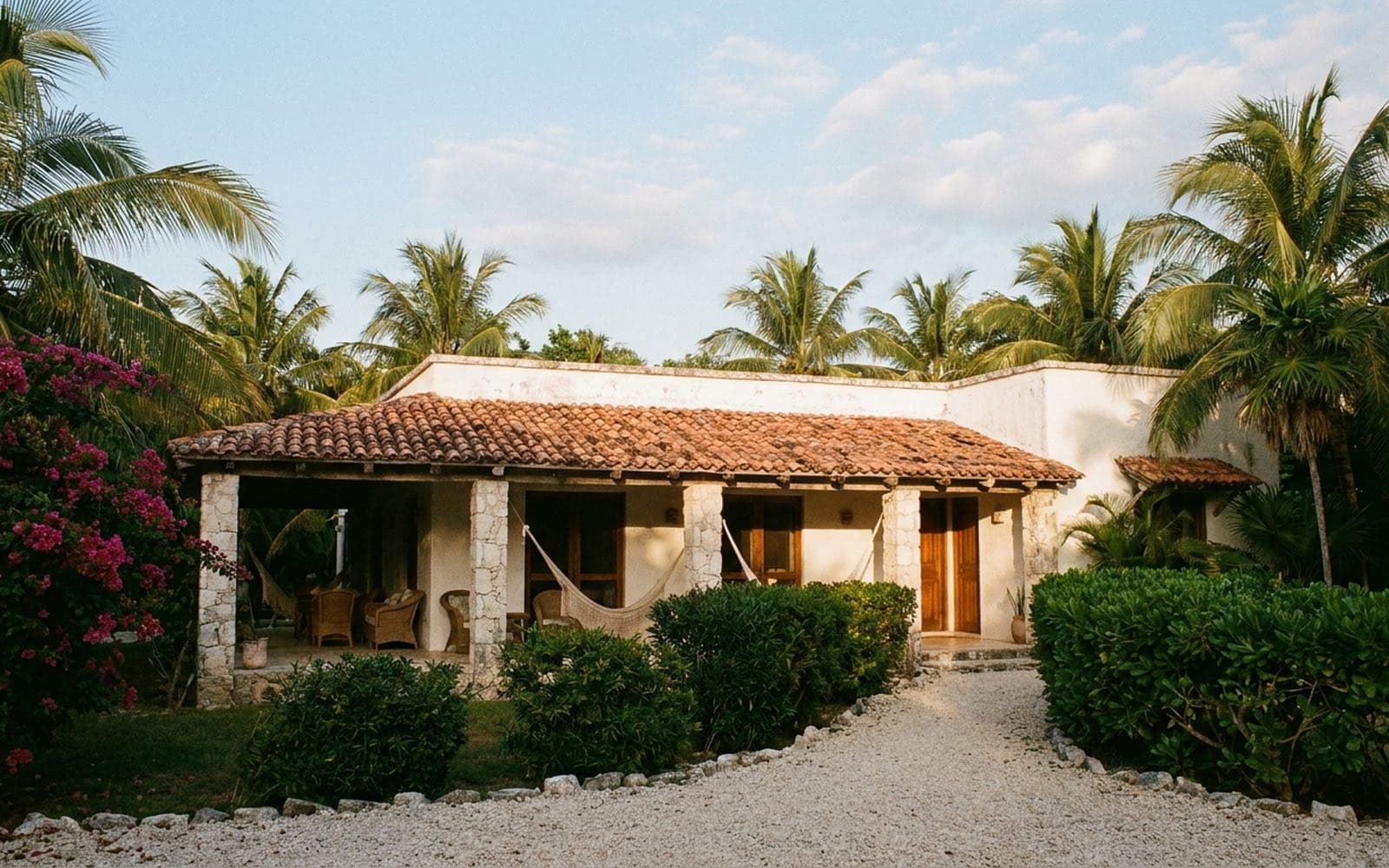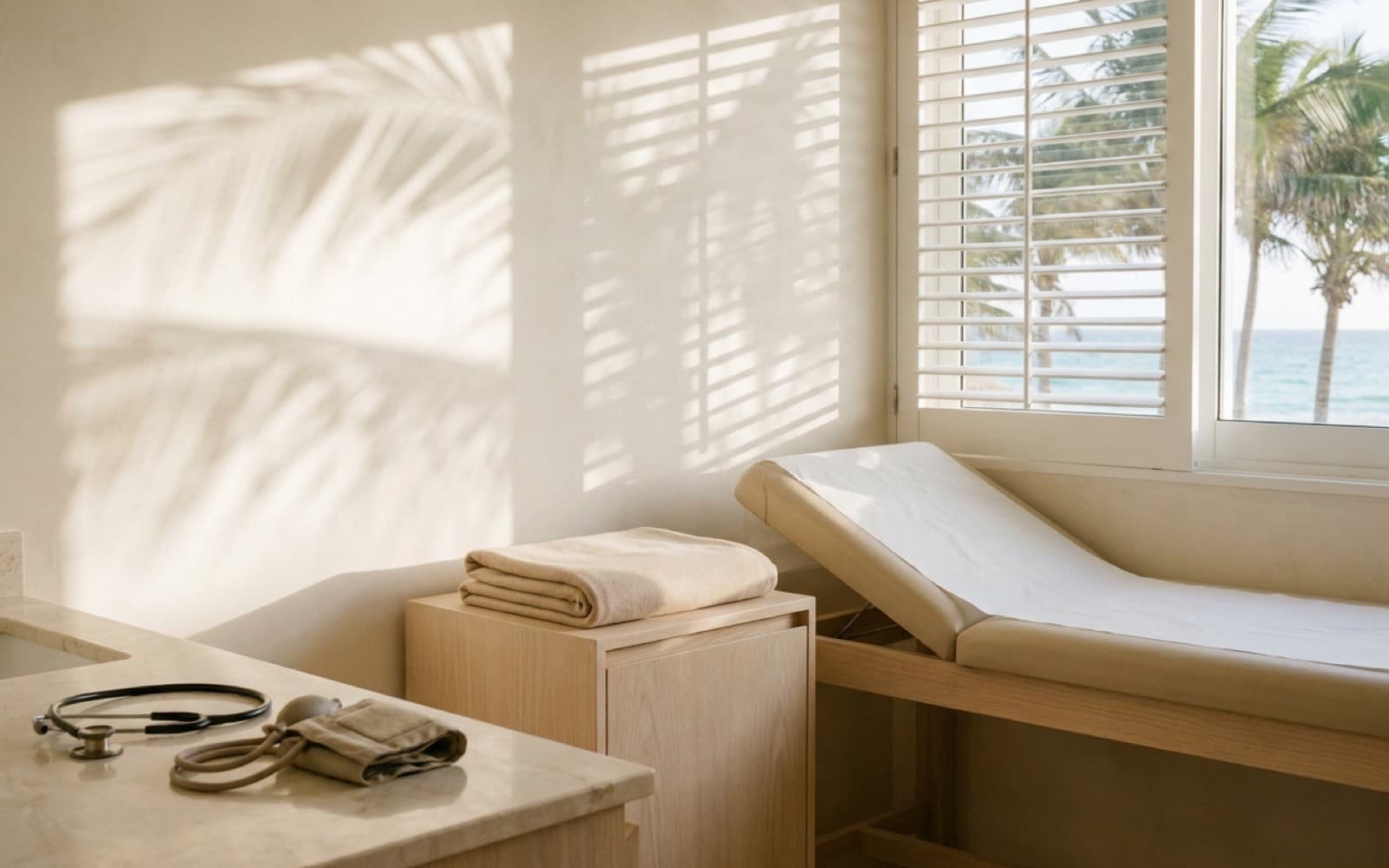
Tom Aceto stood in front of Tennessee lawmakers this week and said something that should make every American uncomfortable: "No veteran should have to leave the country we serve to get the treatment we need." Aceto is a former Navy SEAL. He traveled to Mexico for ibogaine treatment because it's illegal in the United States. The treatment helped him address deep-rooted trauma in ways traditional therapy and medication never could. It stopped his suicidal thoughts. It gave him his life back. Now, Tennessee lawmakers are considering the HOPE Treatment Act—a bill that would fund clinical trials for ibogaine, a psychedelic compound showing remarkable promise for PTSD, addiction, and traumatic brain injury. The bill, introduced in January and rallying support at the state Capitol on February 24th, would require a $5 million state investment to match private funds for FDA-approved trials. Tennessee would become the second state after Texas to fund ibogaine research. And if the bill passes, veterans like Aceto won't have to travel to Mexico or the Caribbean for treatment that could save their lives. What Is Ibogaine — And Why Are Veterans Seeking It Out? Ibogaine is a naturally occurring psychedelic compound derived from the bark of the African shrub Tabernanthe iboga . It's been used for decades in underground addiction treatment settings, primarily in Mexico and Central America, because it's classified as a Schedule I controlled substance in the United States—illegal for general use but permitted in tightly regulated research. The HOPE (Helping Open Pathways to Effective) Treatment Act, sponsored by Rep. Bryan Terry (R-Murfreesboro) and Sen. Page Walley (R-Savannah), wouldn't legalize ibogaine for general use. Instead, it would classify it as a Schedule I substance that allows research, authorizing FDA-overseen clinical trials to treat: Post-traumatic stress disorder (PTSD) Opioid use disorder Traumatic brain injury (TBI) The bill follows a growing body of evidence suggesting ibogaine can "reset" the nervous system in ways that address the root causes of trauma and addiction, not just the symptoms. Alex West, another Tennessee veteran and former Navy SEAL who testified alongside Aceto, described ibogaine treatment as intense but transformative. He now works as a therapist and emphasizes that the treatment requires preparation—breath work, meditation, and therapeutic support—to maximize its benefits. "If we treat the nervous system, we treat the root cause," Aceto said. How Does Ibogaine Work? Ibogaine stimulates the growth of new nerve cells and promotes neuroplasticity—the brain's ability to change its structure and function by forming new connections and pathways. Neuroimaging studies show that ibogaine appears to "rewire" dysfunctional neural circuits associated with addiction, PTSD, and depression. The treatment itself is a medically supervised, fourteen-hour process. Patients receive ibogaine in a clinical setting with continuous cardiac monitoring (ibogaine can cause arrhythmias in patients with pre-existing heart conditions). Recent research has shown that magnesium can help guard against cardiac complications during treatment, making it safer when administered under proper medical oversight. But as West emphasized, "It's not a magic pill." Follow-up integration therapy is recommended to help patients process the experience and continue working through trauma. The ibogaine session creates a window of heightened neuroplasticity; the real healing happens in the weeks and months afterward. Why Veterans Are Traveling to Mexico Veterans face some of the highest rates of PTSD, addiction, and suicide in the country. Traditional treatments—therapy, SSRIs, opioid substitution programs—work for some but fail many others. For those who've tried everything and nothing has worked, ibogaine represents a last-ditch option. The problem? It's not available in the United States. So veterans travel to clinics in Mexico, Canada, and the Caribbean. Treatment costs can run $8,000 to $15,000, and there's no insurance coverage. Some clinics are excellent, with trained medical staff and proper cardiac monitoring. Others are not. And because ibogaine operates in a legal gray zone internationally, oversight is inconsistent. That's why legislation like the HOPE Treatment Act matters. State-funded clinical trials would bring ibogaine research into FDA-regulated settings, establishing safety protocols, dosing guidelines, and efficacy data that could eventually lead to legal, insurance-covered treatment in the United States. Texas Led the Way — Tennessee Could Be Next On June 28, 2025, Texas Governor Greg Abbott signed a bill allocating $50 million in state funds for ibogaine clinical trials . UT Health Houston and UTMB Health were awarded the contract to lead the research, with trials expected to begin in 2026. Tennessee's proposed $5 million investment is smaller but no less significant. If approved, it would position Tennessee as a national leader in psychedelic medicine research and give veterans access to potentially life-saving treatment without leaving U.S. soil. Rikki Harris, CEO of TN Voices—a Tennessee nonprofit advocating for mental health reform—emphasized the broader implications: "We can impact families and create better, healthier families." Substance use disorder is the leading reason parents lose custody of their children in Tennessee. If ibogaine can help people recover from addiction and trauma, the ripple effects extend far beyond individual patients. What Happens Next? The HOPE Treatment Act is currently under consideration in both Senate and House committees. Advocates are pushing for action, and veteran testimony like Aceto's and West's carries weight. But there's no guarantee the bill will pass. If it does, Tennessee will need to identify a hospital system or university to partner with on the trials. That process takes time. Even in Texas, where funding was approved in June 2025, trials are only just beginning. In the meantime, veterans and others seeking ibogaine treatment have limited options: wait for U.S. trials, travel to another country, or forego treatment entirely. At MindScape Retreat in Cozumel , we've been treating veterans, first responders, and civilians with ibogaine for years. Our medical team includes physicians, nurses, and therapists trained in psychedelic-assisted therapy. Every patient receives: Comprehensive pre-treatment screening (cardiac, psychological, medical history) Continuous medical monitoring during the ibogaine session Integration therapy to process the experience Aftercare support to sustain recovery We're not operating in a legal gray zone. Ibogaine is legal in Mexico, and our clinic meets rigorous safety standards. We're also specialists in PTSD treatment , which is why so many veterans choose us. We don't want veterans to have to travel internationally for treatment. We hope the HOPE Treatment Act passes, and we hope FDA-approved ibogaine becomes available in the U.S. soon. But until that happens, we'll keep doing what we do: providing safe, effective ibogaine treatment to people who need it. The Bigger Picture Health Secretary Robert F. Kennedy Jr. posted on social media in June 2024 that his administration is "accelerating clinical trials" for psychedelic therapies with the goal of ensuring "safe, science-based access within 12 months." "Some therapies can't wait," Kennedy wrote. He's right. Veterans are dying by suicide at alarming rates. Addiction is tearing families apart. And while policymakers debate, people are suffering. The HOPE Treatment Act isn't just about ibogaine. It's about whether we're willing to follow the evidence, even when it leads us toward unconventional solutions. It's about whether we value innovation and compassion over outdated drug policies. And it's about whether we're willing to treat our veterans with the same courage they showed when they served. Tom Aceto said it best: "No veteran should have to leave the country we serve to get the treatment we need." If Tennessee passes the HOPE Treatment Act, they won't have to. References: Tennessee HOPE Treatment Act (HB/SB pending, 2026) Americans for Ibogaine advocacy organization Aceto, T., West, A. (2026). Testimony before Tennessee State Legislature. Legislative Analysis and Public Policy Association (2025). Ibogaine neuroplasticity report. Need ibogaine treatment now? Learn more about MindScape Retreat's physician-supervised ibogaine program or read about our PTSD treatment protocol .
Begin Your Journey
MindScape Retreat offers medically supervised ibogaine treatment in Cozumel, Mexico. Speak with our clinical team to learn if you are a candidate.