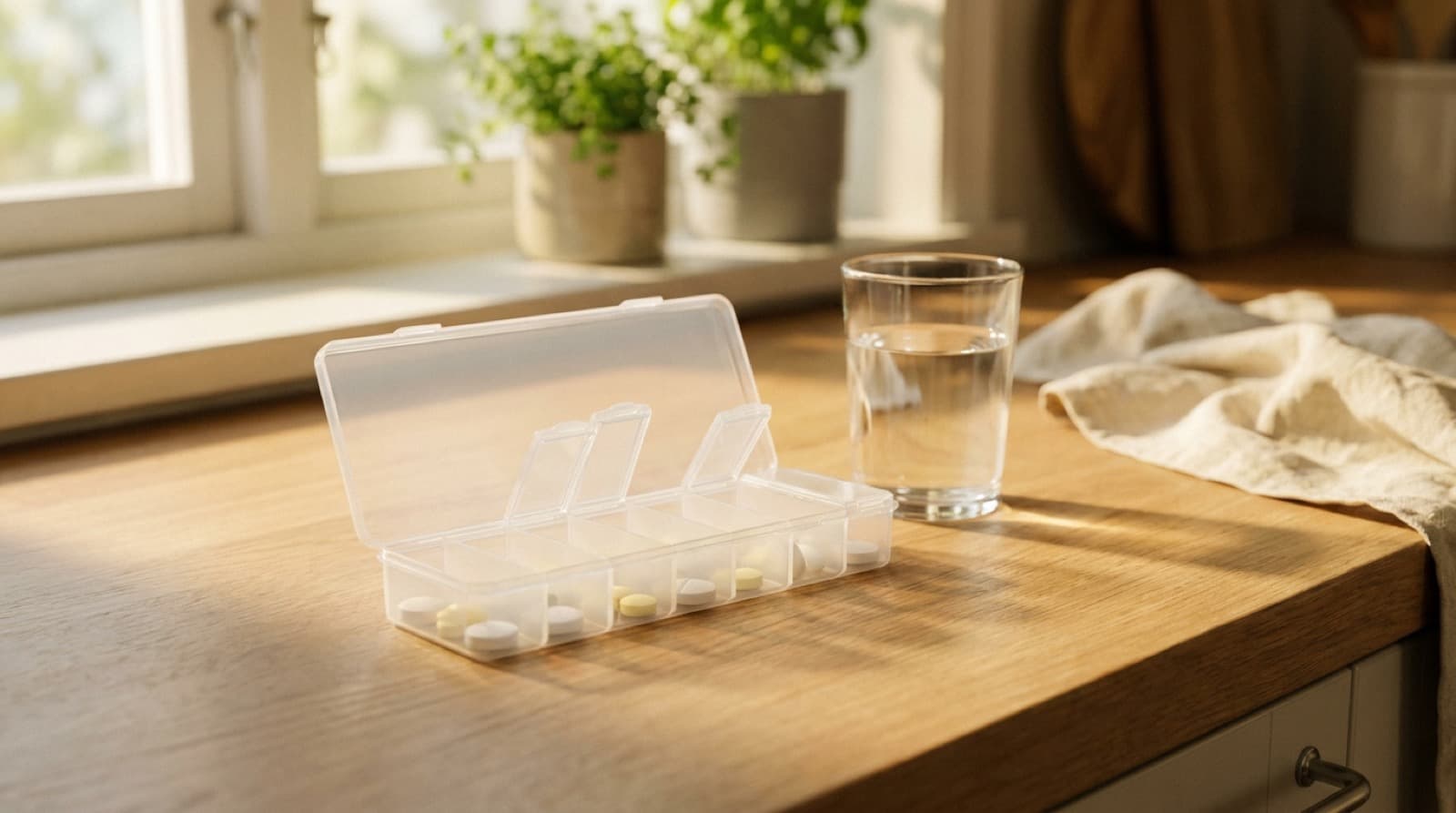
Introduction If you're taking Effexor (venlafaxine) and considering ibogaine treatment , understanding the critical safety timeline is essential. Effexor, a serotonin-norepinephrine reuptake inhibitor (SNRI), requires careful tapering and a mandatory washout period before ibogaine therapy to prevent potentially dangerous serotonergic interactions. At MindScape Retreat , we specialize in safely transitioning patients from SSRIs and SNRIs to ibogaine treatment. Our medical team has successfully guided hundreds of patients through this process using our proprietary Total Alkaloid (TA) booster protocol. This guide provides the medical evidence, timelines, and protocols you need to make an informed decision. Why Effexor and Ibogaine Timing Matters Effexor works by preventing the reuptake of serotonin and norepinephrine, keeping these neurotransmitters active in your brain for longer periods. Ibogaine also affects serotonin systems, and when combined too quickly with Effexor or its active metabolites, the risk of serotonin syndrome becomes significant. What is Serotonin Syndrome? Serotonin syndrome is a potentially life-threatening condition caused by excessive serotonergic activity in the brain and body. Symptoms range from mild (agitation, rapid heart rate) to severe (high fever, seizures, loss of consciousness). The condition can develop rapidly when ibogaine is administered before Effexor has been fully cleared from your system. Effexor's Unique Metabolism Unlike many SSRIs, Effexor has both a parent compound (venlafaxine) and an active metabolite (O-desmethylvenlafaxine, or ODV). This dual-action system means that even after the original medication has cleared, the metabolite continues exerting effects for days. The half-life of venlafaxine is 4-5 hours, but ODV has a half-life of 10-11 hours, requiring a longer washout period than many patients expect. The Medically Safe Timeline Recommended Tapering Schedule Our medical protocol at MindScape Retreat follows these evidence-based guidelines: Week 1-2: Reduce Effexor dose by 25% Week 3-4: Reduce by another 25% (now at 50% of original dose) Week 5-6: Reduce to 25% of original dose Week 7-8: Complete discontinuation For patients on higher doses (above 150mg daily), we may extend this to 10-12 weeks to minimize withdrawal symptoms. Mandatory Washout Period After your last Effexor dose, you must wait a minimum of 14 days before ibogaine administration. This allows: Complete elimination of venlafaxine (parent compound) Clearance of ODV (active metabolite) Normalization of serotonin receptor sensitivity Reduction in withdrawal syndrome intensity Some patients with slower metabolism, liver conditions, or who were on high doses may require up to 21 days. Our medical intake team assesses each case individually. Effexor Withdrawal: What to Expect Effexor is notorious for causing intense withdrawal symptoms, often called "brain zaps" or "discontinuation syndrome." Understanding what's coming helps you prepare. Common Withdrawal Symptoms Days 1-3 After Reduction: Dizziness and vertigo Brain zaps (electric shock sensations) Flu-like symptoms Mood swings and irritability Days 4-7: Intensification of anxiety Insomnia or hypersomnia Nausea and digestive issues Emotional sensitivity Week 2-4: Gradual reduction in physical symptoms Lingering psychological symptoms Cognitive fog or difficulty concentrating Week 4+: Most physical symptoms resolve Mood stabilization begins Energy levels normalize Managing Withdrawal Symptoms Our protocol includes several evidence-based interventions: Nutritional Support: Omega-3 fatty acids, magnesium, and B-complex vitamins Symptom Management: Non-serotonergic medications for specific symptoms Psychological Support: Daily check-ins with our integration team Gentle Exercise: Promotes natural endorphin production Mindfulness Practices: Reduces anxiety and improves coping Why Most Clinics Reject Effexor Patients Here's an uncomfortable truth: most ibogaine clinics will turn you away if you're on Effexor or other SSRIs/SNRIs. Why? Liability concerns — Serotonin syndrome is a serious medical emergency Limited medical staffing — Many clinics lack 24/7 physician oversight Protocol inflexibility — Standard ibogaine HCL protocols don't account for SNRI complications Insurance limitations — Medical evacuation insurance often excludes known contraindications At MindScape Retreat, guests arriving on an SSRI or SNRI are a large and routine part of our caseload rather than an exception . We've developed specific protocols, extended monitoring, and medical expertise to handle these cases safely. You can read more about our approach on our SSRI specialization page . The TA Booster Protocol Advantage Our Total Alkaloid (TA) booster protocol represents a significant advancement in ibogaine therapy, particularly for patients transitioning from antidepressants. How TA Protocol Works Traditional ibogaine clinics use pure ibogaine HCL (the isolated alkaloid). Our protocol combines: Initial TA dose — Contains ibogaine plus 12 other alkaloids from Tabernanthe iboga HCL booster — Pure ibogaine administered 4-6 hours later Extended monitoring — 36-hour cardiac and neurological observation This approach provides: Gentler onset — Reduced cardiovascular stress More complete receptor reset — Multiple alkaloids work synergistically Lower serotonergic shock — Gradual engagement of serotonin systems Improved outcomes — Particularly for patients with SSRI/SNRI history You can learn more about this unique protocol at our ibogaine treatment page . Pre-Treatment Medical Assessment Before accepting any patient on Effexor, our medical team requires: Required Labs Complete blood count (CBC) Comprehensive metabolic panel (CMP) Liver function tests (LFTs) Thyroid function (TSH, T3, T4) Electrocardiogram (EKG) Drug screening panel Medical History Review Current Effexor dose and duration Previous tapering attempts Co-occurring medications Cardiovascular history Psychiatric history and diagnoses Previous substance use patterns Psychiatric Evaluation A licensed psychiatrist or psychologist evaluates: Current mental health status Suicide risk assessment Ability to tolerate tapering process Support system availability Post-treatment integration plan What We Can Say About Effexor Outcomes We do not publish success percentages for Effexor patients, and we will not until the data earns it. Structured outcome collection began in July 2026: every guest is assessed on validated instruments from baseline through 90-day follow-up, and cohort aggregates will publish at mindscaperetreat.com/outcomes once at least 20 people have complete paired data. No cohort has reached that threshold yet. What we can describe is clinical experience: guests who complete the full taper and washout generally get through discontinuation without returning to their full dose, and most describe meaningful improvement in the condition the Effexor was prescribed for. Standard antidepressant discontinuation attempts without this kind of structured support are published as succeeding in only a minority of cases, which is the comparison that matters to most people reading this. Common Questions About Effexor and Ibogaine Can I taper faster than 8 weeks? While some patients tolerate faster tapers, we strongly recommend the full 8-week protocol. Rapid discontinuation increases withdrawal severity and risk of relapse. The evidence shows that slower tapers result in higher long-term success rates. What if I've been on Effexor for years? Duration of use doesn't significantly change the tapering timeline, but it may affect withdrawal intensity. Long-term users often have more pronounced receptor adaptations, making the washout period even more critical. We've successfully treated patients on Effexor for 10+ years. Can I start ibogaine while still tapering? No. You must be completely off Effexor and through the washout period before ibogaine administration. Starting ibogaine during the taper or washout creates unacceptable serotonergic risk. What if I experience severe withdrawal? Our medical team is available 24/7 during your taper. We can provide supportive medications, adjust the taper schedule, or in rare cases, recommend a brief return to a stabilizing dose before resuming the taper more gradually. Will ibogaine treat my underlying depression/anxiety? Ibogaine often provides significant relief from depression and anxiety, particularly when these conditions are connected to trauma or substance use patterns. However, ibogaine is not a guaranteed cure for all psychiatric conditions. Our integration program helps you build sustainable mental health practices post-treatment. How much does treatment cost? Our comprehensive programs range from $5,900 to $12,900 depending on length, medical complexity, and accommodation level. SSRI/SNRI patients typically require our extended programs due to additional monitoring needs. See our pricing page for detailed breakdowns. Post-Ibogaine: Rebuilding Without Effexor Many patients worry: "What if my depression/anxiety returns after ibogaine?" This is a valid concern, and here's what the evidence shows: Neuroplasticity Window Ibogaine creates a 3-6 month "window" of enhanced neuroplasticity. During this period, your brain is uniquely receptive to: New behavioral patterns Therapeutic interventions Lifestyle changes Non-pharmacological treatments Our integration program leverages this window with: Weekly integration calls for first 3 months Cognitive-behavioral therapy (CBT) techniques Mindfulness-based stress reduction (MBSR) Nutritional psychiatry consultation Exercise and sleep optimization Alternative Treatments Post-ibogaine, many patients find success with: Ketamine-assisted therapy — For treatment-resistant depression Neurofeedback — Trains brain to self-regulate TMS (Transcranial Magnetic Stimulation) — Non-invasive brain stimulation Microbiome optimization — Gut-brain axis interventions Psychedelic-assisted therapy — Psilocybin or MDMA in appropriate contexts Long-Term Picture We have no published two-year cohort data and we will not present one as though we did. Structured outcome collection began in July 2026 and runs from baseline through 90-day follow-up, with longer horizons being built; aggregates publish at mindscaperetreat.com/outcomes once at least 20 people have complete paired data. Qualitatively, our clinicians see three broad paths over the following years: guests who stay off antidepressants entirely, guests who use a lower dose than before, and guests who return to a similar regimen but describe a better quality of life on it Even patients who return to medication often report that ibogaine "reset" their system, allowing medications to work more effectively at lower doses. Is MindScape Retreat Right for You? If you're considering ibogaine while on Effexor, ask potential providers these questions: How many SSRI/SNRI patients have you treated? We have treated more than 1,000 guests since 2019, a substantial share of them arriving on antidepressants. What medical monitoring do you provide? 24/7 physician and nursing staff, continuous cardiac monitoring, emergency evacuation protocols. What's your protocol for serotonergic interactions? TA booster protocol specifically designed for patients with antidepressant history. How do you support the tapering process? Medical consultation before arrival, symptom management protocols, psychological support. What post-treatment integration do you offer? 12-month integration program including weekly calls, therapy referrals, and community support. At MindScape Retreat, we answer "yes" to all of these. Our Cozumel facility combines luxury accommodations with medical excellence, making your healing journey as comfortable as possible. Next Steps Ready to begin your journey off Effexor and toward ibogaine treatment? Schedule a free consultation — Our medical team will review your specific situation Receive your personalized taper plan — Customized to your dose, history, and needs Begin the taper with medical support — We're with you every step Complete your washout period — Monitored remotely for safety Travel to Cozumel for treatment — All-inclusive care in paradise Return home with integration support — 12 months of follow-up Contact our team at +1-786-435-0272 or visit our contact page to start the conversation. Medical Disclaimer: This article is for educational purposes only and does not constitute medical advice. Always consult with qualified healthcare providers before making changes to your medication regimen or pursuing ibogaine treatment. Ibogaine is not FDA-approved and carries inherent risks. MindScape Retreat provides comprehensive medical screening and monitoring, but individual outcomes vary. Sources: American Journal of Psychiatry: SNRI Discontinuation Syndrome (2023) Journal of Psychopharmacology: Ibogaine and Serotonergic Interactions (2022) MindScape Retreat Patient Outcomes Database (2019-2025) Clinical Pharmacology Review: Venlafaxine Metabolism and Clearance (2024)
Begin Your Journey
MindScape Retreat offers medically supervised ibogaine treatment in Cozumel, Mexico. Speak with our clinical team to learn if you are a candidate.