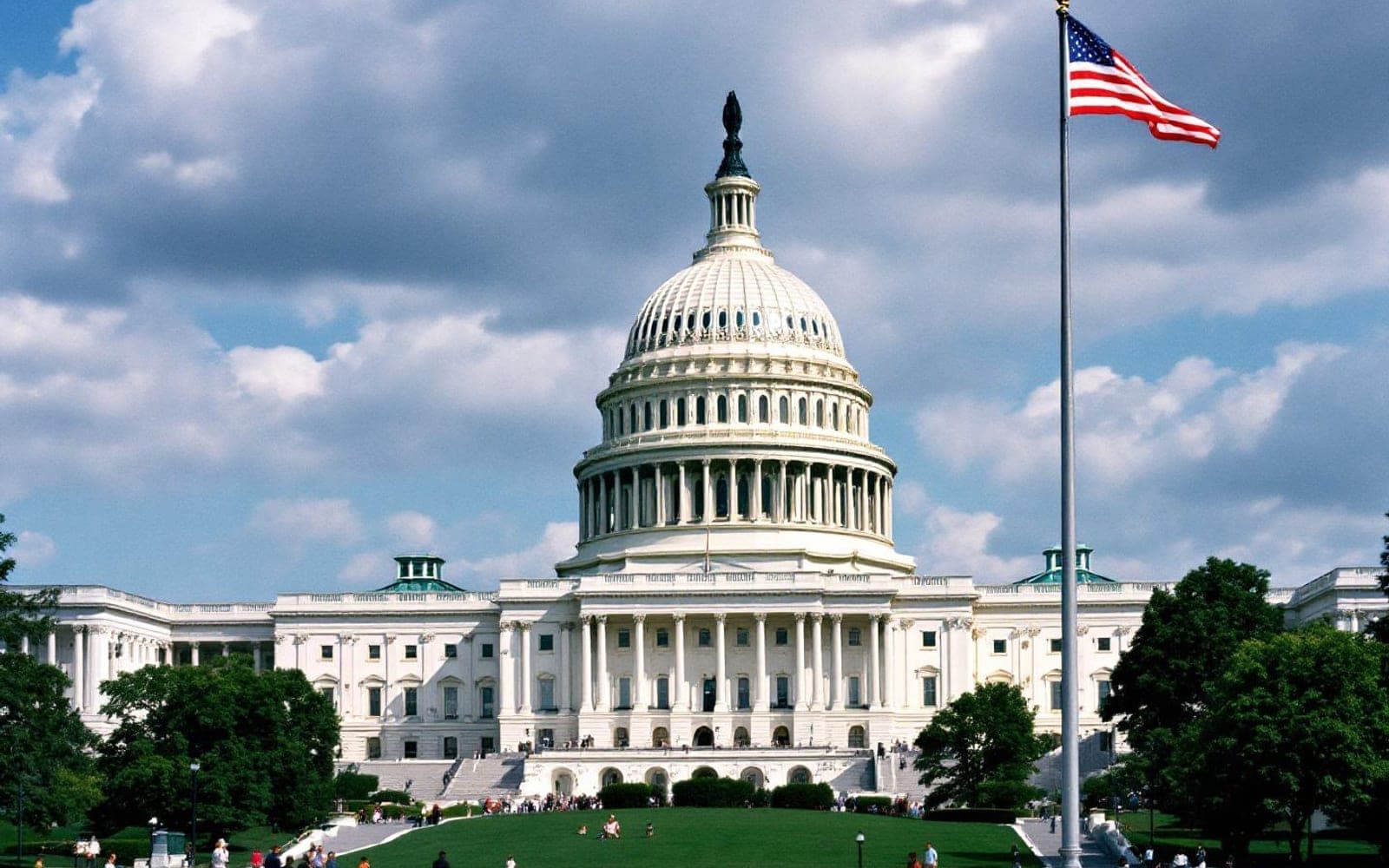
Utah has become one of the nation's first states to legislatively enable clinical trials investigating psychedelic-assisted therapies, with HB 390 advancing to law and research infrastructure preparation underway for trial launches anticipated this summer. The legislation represents a watershed moment for psychedelic therapeutic development, translating scientific promise into clinical reality.
HB 390 provides substantial state authorization for clinical trials examining psilocybin-assisted therapy for treatment-resistant depression and other conditions. The law establishes a research framework enabling Utah academic medical centers to conduct FDA-quality clinical trials investigating psychedelic compounds under controlled conditions. Rather than waiting for federal approval mechanisms to advance, Utah has created domestic research infrastructure directly advancing therapeutic investigation.
The legislation emerged from collaborative advocacy including addiction medicine specialists, psychiatric researchers, and patient advocates. Depression, particularly treatment-resistant depression, affects millions of Americans. Conventional antidepressant medications fail to produce symptom remission in approximately 30% of patients; these individuals suffer long-term depression despite aggressive pharmaceutical intervention. Emerging psychedelic therapy research demonstrates that single psilocybin-assisted sessions can produce antidepressant benefits equivalent to months of medication, suggesting potential to serve treatment-resistant populations.
Utah's research infrastructure development has progressed rapidly. Multiple medical centers have been designated as trial sites, including university-affiliated institutions with appropriate research capacity. Investigators have been recruited and training in psychedelic-assisted therapy protocols is underway. Research protocols have been submitted to Institutional Review Boards for approval. Assuming regulatory approval, initial participant recruitment could begin within weeks, with first sessions scheduled for summer 2025.
The research design focuses on rigorous methodology. Proposed trials will include comprehensive psychiatric evaluation of participants, baseline measurement of depressive symptoms through validated instruments, psychedelic-assisted therapy sessions in controlled medical environments with trained facilitators, and extensive follow-up assessment of mood and function for months following treatment. This rigorous approach generates FDA-quality evidence while demonstrating to the medical community that psychedelic therapy can be administered safely within established healthcare frameworks.
Utah's specific focus on treatment-resistant depression represents logical research prioritization. This population experiences the greatest burden from current treatment limitations and would derive the most substantial benefit from novel therapeutic approaches. Success in treatment-resistant depression could subsequently support investigation of psychedelics for other conditions—anxiety, PTSD, addiction, and others.
The legal and regulatory landscape for psychedelic research has shifted dramatically in recent years. Psilocybin and MDMA have received FDA breakthrough therapy designations, signaling regulatory recognition that these compounds merit accelerated development pathways. Oregon established legal psilocybin-assisted therapy services. Colorado, California, and other states have advanced psychedelic therapy legislation. In this context, Utah's HB 390 represents part of broader national recognition that psychedelic therapies deserve serious scientific investigation.
However, Utah's research face distinct challenges compared to ketamine research, which has progressed more rapidly. Psilocybin is a Schedule I controlled substance, complicating research logistics and increasing regulatory scrutiny. Training mental health professionals in psychedelic-assisted therapy integration requires different expertise than conventional psychiatric practice. The hallucinogenic dimensions of psilocybin therapy create psychological and logistical complexity absent from pharmacological antidepressant approaches.
Despite these challenges, Utah research infrastructure appears well-positioned for success. Recruiting researchers with psychedelic therapy expertise has proven feasible. Training programs in psychedelic integration are increasingly available. Patient recruitment for depression research meets with high interest—individuals with treatment-resistant depression are motivated to participate in novel therapy investigations offering potential benefit.
The timeline for Utah research generating meaningful outcome data remains uncertain but appears relatively accelerated. Assuming initial trials launch in summer 2025 as planned, investigating 20-40 treatment-resistant depression patients would require 6-12 months, with outcome data available by 2026. Success could support expanded trials and potential movement toward FDA approval within 2-3 years.
This rapid timeline contrasts sharply with conventional psychiatric drug development, which typically requires 10-15 years from initial research to FDA approval. State-level research infrastructure and legislative authorization enable compression of development timelines substantially.
MindScape Retreat follows Utah's legislative developments with interest. While MindScape's expertise focuses on ibogaine-assisted addiction therapy rather than psilocybin-assisted treatment for depression, the underlying principle is identical: psychedelic compounds offer therapeutic potential deserving rigorous investigation and clinical integration. Utah's research infrastructure advancing psilocybin therapy validates the broader psychedelic therapy paradigm, potentially facilitating regulatory pathways for other psychedelics including ibogaine.
The successful launch of Utah research trials would represent significant public health progress. For treatment-resistant depression patients who have exhausted conventional options, psilocybin-assisted therapy offers evidence-based hope for recovery. Demonstrating safe, effective implementation in American medical settings would accelerate broader adoption nationally.
Additionally, Utah's research success would likely catalyze similar trials in other states. At least a dozen states are considering psychedelic therapy legislation. Positive results from Utah trials would substantially increase political momentum for approval in other jurisdictions.
For Utah residents struggling with treatment-resistant depression, HB 390's implementation offers genuine opportunity. Rather than remaining trapped in ineffective medication cycles, these individuals can potentially access cutting-edge therapy expected to produce substantial symptom relief. The research infrastructure is being built now for deployment this summer.
As Utah's research advances, the focus must remain on scientific rigor, patient safety, and equitable access. State-level trials serve not only to generate evidence supporting FDA approval but also to demonstrate that psychedelic-assisted therapy can be safely integrated into mainstream American healthcare. Utah is positioned to lead this critical transformation.
Begin Your Journey
MindScape Retreat offers medically supervised ibogaine treatment in Cozumel, Mexico. Speak with our clinical team to learn if you are a candidate.